CM Bhupendrabhai Patel Offers Prayers at Bhadrakali Temple for Gujarat's Prosperity
Synopsis
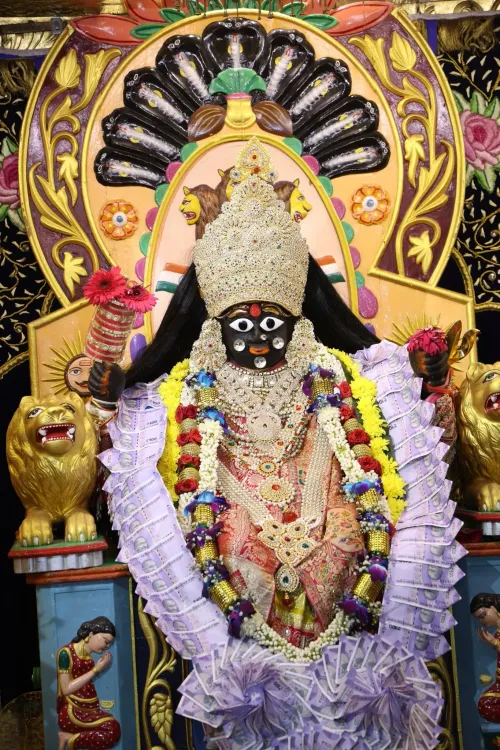
Gujarat Chief Minister Bhupendrabhai Patel visited the historic Bhadrakali Mata temple in Ahmedabad at the start of Vikram Samvat 2083, praying for the state's development and citizens' all-round welfare.
Key Takeaways
CM Bhupendrabhai Patel visited the Bhadrakali Mata temple in Ahmedabad on November 10, 2026 .
The visit marked the beginning of Vikram Samvat 2083 , the traditional Hindu lunisolar new year.
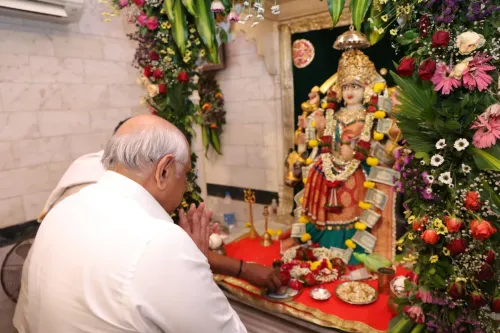
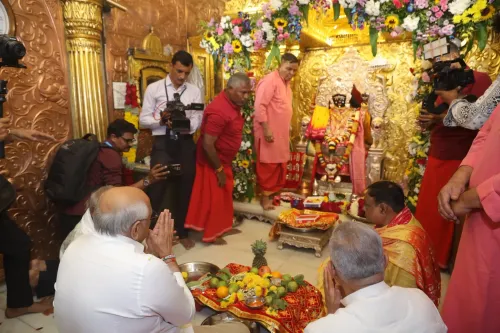
CM Patel performed darshan-pujan and prayed for Gujarat's uninterrupted development and citizens' happiness and prosperity.
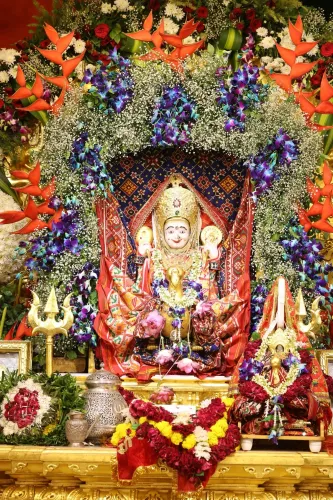
The Bhadrakali Mata temple is one of Ahmedabad's most celebrated historic shrines.
Temple visits at Samvat new year are a consistent tradition observed by Gujarat's successive governments.
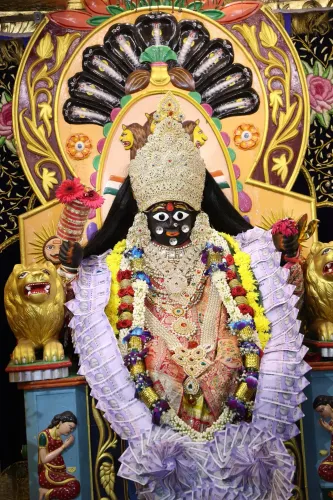
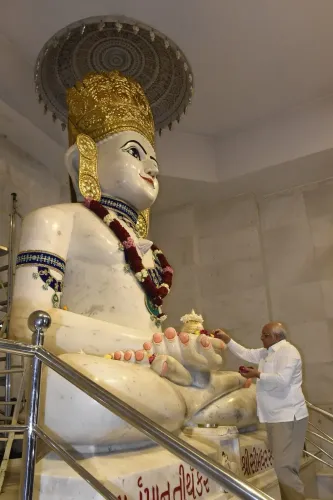
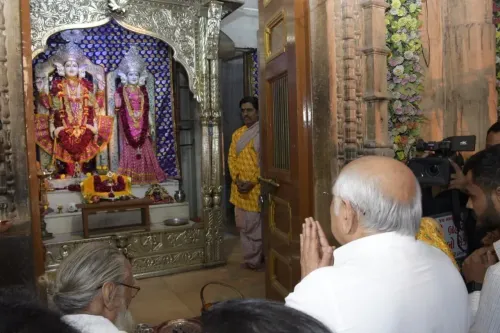
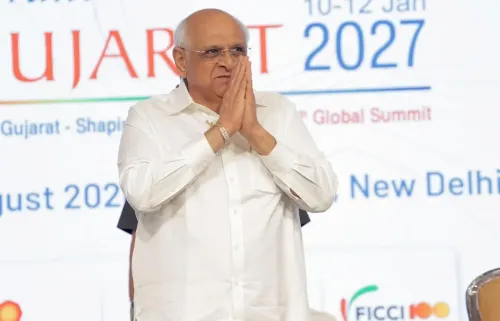
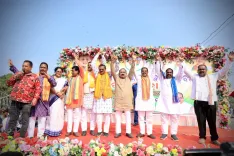
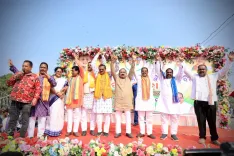
At the dawn of Vikram Samvat 2083, Gujarat Chief Minister Bhupendrabhai Patel visited the revered Bhadrakali Mata temple in Ahmedabad on Tuesday, November 10, 2026, offering prayers for the state's uninterrupted development and the well-being of its people.
The Chief Minister's Office shared visuals of the visit, noting that CM Patel performed darshan-pujan (worship and reverence) at the celebrated shrine, praying for 'rajyajna avirit vikas ane prajajanona sukh, samrudhi ane sarvāngi sukhākāri' — the state's ceaseless progress and the all-round happiness, prosperity, and welfare of its citizens.
Ahmedabad's Bhadrakali Mata Temple and Its Significance
The Bhadrakali Mata temple is one of Ahmedabad's most historically resonant shrines, situated in the city's old quarter and dedicated to the goddess Bhadrakali. The temple draws thousands of devotees during major Hindu observances and new-year transitions on the Vikram Samvat calendar — the traditional lunisolar system widely followed across Gujarat and much of northern India for marking religious and cultural milestones.
A BJP Tradition: State Leaders and the Samvat New Year
State leaders across India — particularly in BJP-governed states — have long marked the start of the Vikram Samvat calendar with temple visits and public prayers, intertwining the administrative role with deep-rooted regional customs. Gujarat, with its strong Vaishnav and Shakti worship traditions, has seen its successive governments consistently highlight such observances as an expression of cultural continuity and public connection.
CM Patel, who has held office since September 2021, has maintained this practice as part of a broader effort to remain visible within Gujarat's cultural calendar — signalling to residents that governance and lived tradition are not separate spheres.
As Gujarat moves deeper into Samvat 2083, the Chief Minister's prayer at Bhadrakali is both a ceremonial gesture and a public commitment — the state's highest office bowing before the people's oldest institutions.
Point of View
Where chief ministers publicly perform devotional acts to signal proximity to the electorate's values. The gesture carries low political risk but high symbolic dividend, reinforcing continuity and stability ahead of any upcoming local or state electoral cycle. It also reflects a broader national pattern in which ruling parties use ceremonial religiosity as a soft-power tool to consolidate cultural legitimacy alongside administrative performance.
NationPress
10 Nov 2026
Frequently Asked Questions
Which temple did Gujarat CM Bhupendrabhai Patel visit on Vikram Samvat 2083?
CM Bhupendrabhai Patel visited the Bhadrakali Mata temple in Ahmedabad at the start of Vikram Samvat 2083 on November 10, 2026.
What is Vikram Samvat and why is it significant in Gujarat?
Vikram Samvat is a traditional Hindu lunisolar calendar widely followed in Gujarat and northern India. Its new year is a major cultural and religious observance, marked by temple visits and community celebrations.
What did CM Patel pray for at the Bhadrakali temple?
CM Patel prayed for Gujarat's uninterrupted development and for the happiness, prosperity, and all-round welfare of the state's citizens.
Where is the Bhadrakali Mata temple located?
The Bhadrakali Mata temple is a historic shrine located in the old city area of Ahmedabad, Gujarat.
Since when has Bhupendrabhai Patel been Gujarat's Chief Minister?
Bhupendrabhai Patel has served as Chief Minister of Gujarat since September 2021, representing the BJP.