CM Dhami gifts Chamoli ₹231.91 cr in 12 projects, inspects highways
Synopsis
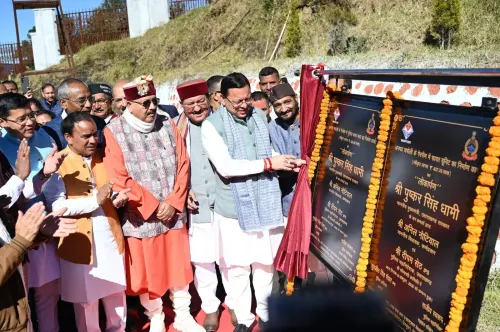
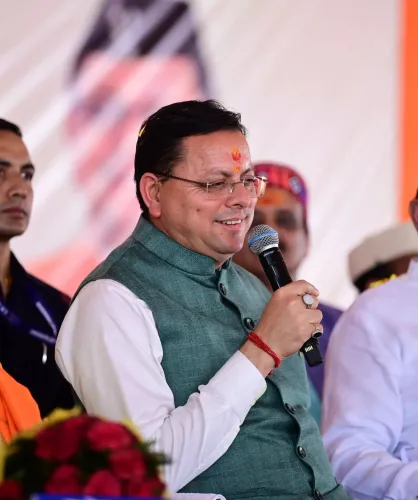
Uttarakhand CM Pushkar Singh Dhami launched twelve development projects worth ₹231.91 crore for Chamoli district at Gairsain on 29 October 2026, covering water, roads, health, education and land-subsidence protection, then drove the Srinagar-Dehradun highway to assess road conditions and hear citizen grievances.
Key Takeaways
₹231.91 crore in 12 projects sanctioned for Chamoli district from Gairsain (Bhararisain) on 29 October 2026 .
Projects span five sectors: drinking water, roads, education, health , and land-subsidence protection .
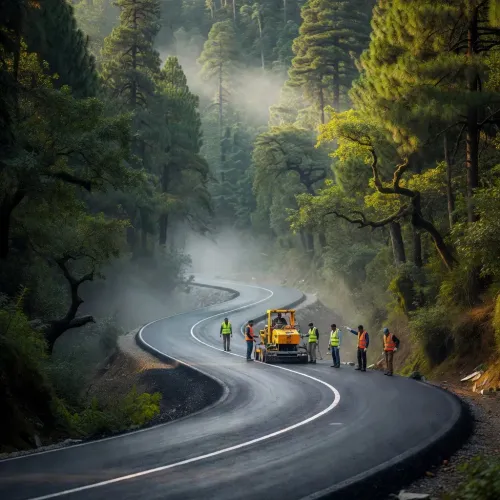
CM Dhami personally drove the Srinagar-to-Dehradun highway to conduct a live audit of road conditions.
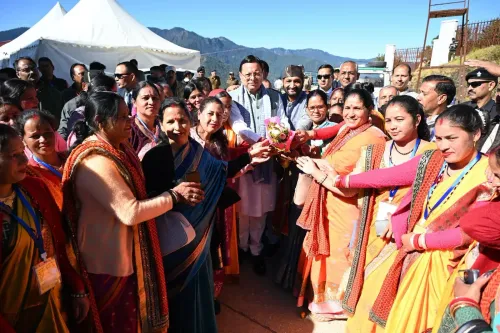
Direct outreach held with residents, traders and Self Help Group women at Srinagar, Kirtinagar and Devprayag .
Gairsain , often floated as Uttarakhand's summer capital, was chosen as the launch venue — underscoring its political symbolism for hill communities.
Implementation timelines and fund utilisation for the 12 projects remain the key metrics to watch.
From the summer-capital precincts of Gairsain (Bhararisain), Uttarakhand Chief Minister Pushkar Singh Dhami on Thursday, 29 October 2026 handed Chamoli district a development package worth ₹231.91 crore — twelve projects spanning drinking water, roads, education, health, and protection against land subsidence — before personally driving the Srinagar-to-Dehradun highway stretch to assess ground conditions firsthand.
Twelve projects, five critical sectors
The ₹231.91 crore package covers five domains that have historically been pain points for Chamoli's residents: potable water supply, road connectivity, education infrastructure, healthcare facilities, and geo-technical stabilisation against land subsidence — a persistent threat in Uttarakhand's geologically active Himalayan terrain. Chamoli sits in the Garhwal hills and has faced repeated connectivity disruptions and displacement due to unstable slopes, making the subsidence-protection component particularly significant.
Uttarakhand governments have announced successive multi-sector packages for remote hill districts since state formation in 2000, but implementation timelines and fund utilisation have often lagged. The watch item now is whether these twelve projects move from sanction to ground-level execution within the stated schedule.
A highway inspection from Srinagar to Dehradun
Dhami did not stop at the ceremonial handover. He travelled by road from Srinagar through Kirtinagar and Devprayag to Dehradun, using the journey as a live audit of national highway conditions — a hands-on method of administrative oversight that sidesteps the curated briefings of a formal inspection tour. At each stopover, he held open conversations with local residents, traders, and women from Self Help Groups (SHGs), logging complaints and concerns directly.
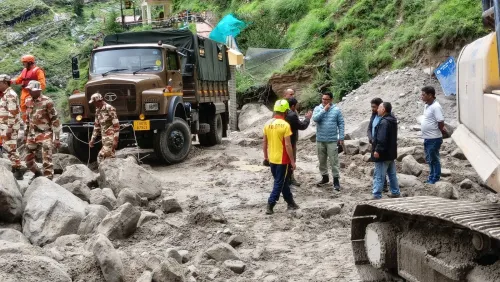
The Srinagar-Dehradun corridor is one of Uttarakhand's busiest arterial routes, connecting the Garhwal hills to the state capital and carrying both daily commuters and pilgrimage traffic. Seasonal deterioration, landslide damage, and patch-repair delays have been recurring grievances along this stretch.
Gairsain's symbolic weight in Uttarakhand politics
Gairsain (Bhararisain) carries a political charge beyond its geography. The town in central Uttarakhand has long been championed as a more representative seat of government than the plains-based capital, and assembly sessions held there periodically serve as visible signals to hill communities that the administration is listening. Choosing Gairsain as the venue for this district-level project launch reinforces that symbolism — even as the harder question of consistent service delivery in high-altitude areas remains open.
Women's SHGs across Uttarakhand have emerged as a frontline network for rural welfare, and Dhami's direct engagement with their representatives at multiple stops along the highway signals a continued political emphasis on that constituency.
Whether the ₹231.91 crore translates into completed infrastructure before the next election cycle will be the real verdict on today's announcement.
Point of View
Ground-level dimension that is harder to dismiss as purely ceremonial. The five-sector spread — particularly the geo-technical stabilisation component — reflects a growing administrative acknowledgement that climate-linked land instability is as urgent as basic connectivity in Himalayan districts. The real test, as with most hill-district packages in Uttarakhand since 2000, is whether project completion rates match the announcement energy before the electoral calendar closes in.
NationPress
29 Oct 2026
Frequently Asked Questions
What are the 12 development projects announced for Chamoli district?
CM Pushkar Singh Dhami announced 12 projects worth ₹231.91 crore for Chamoli district at Gairsain on 29 October 2026, covering drinking water supply, road connectivity, education, healthcare, and protection against land subsidence. Specific project names and a detailed breakdown have not been officially published yet.
Why was Gairsain chosen for the project launch?
Gairsain (Bhararisain) in Chamoli district holds symbolic importance in Uttarakhand as a location periodically proposed and used for assembly sessions — signalling government attention to hill communities. Launching district projects there reinforces that political message.
What did CM Dhami find during the Srinagar-Dehradun highway inspection?
Dhami drove the Srinagar-to-Dehradun route on 29 October 2026 as a live assessment of national highway conditions, stopping at Srinagar, Kirtinagar and Devprayag to hear grievances from residents, traders, and Self Help Group women. Specific findings have not been detailed publicly.
What is the significance of land-subsidence protection projects in Chamoli?
Chamoli district sits in the geologically active Garhwal Himalayas and has experienced repeated landslides and ground-movement events, including the 2021 Chamoli disaster . Geo-technical stabilisation work is considered critical to protecting habitations, roads, and infrastructure in the region.
How do Self Help Groups fit into Uttarakhand's development work?
Women's Self Help Groups (SHGs) across Uttarakhand operate as grassroots networks for rural livelihoods and welfare. CM Dhami's direct consultations with SHG representatives during his highway tour reflect the state government's ongoing engagement with this constituency as a channel for identifying local needs.