CM Dhami Gives 36 Naib Tehsildars Appointment Letters
Synopsis
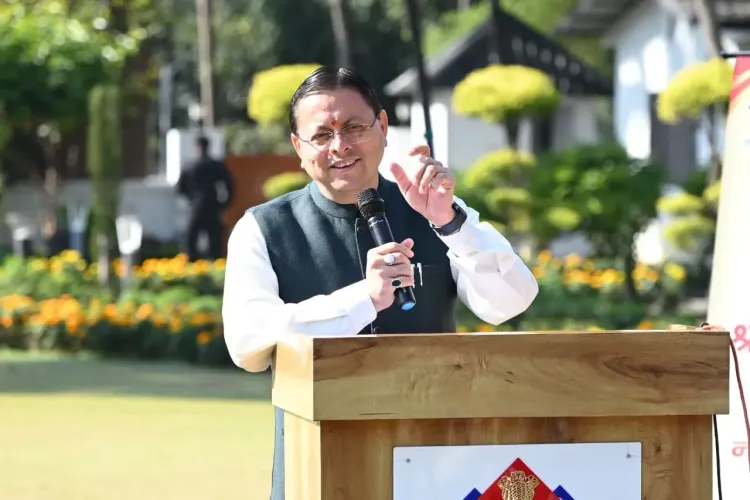
CM Pushkar Singh Dhami handed appointment letters to 36 new naib tehsildars, including 13 women, and asked them to handle land records and disaster assessments promptly. He also called for clearer procedures and special attention to people travelling from remote mountain villages.
Key Takeaways
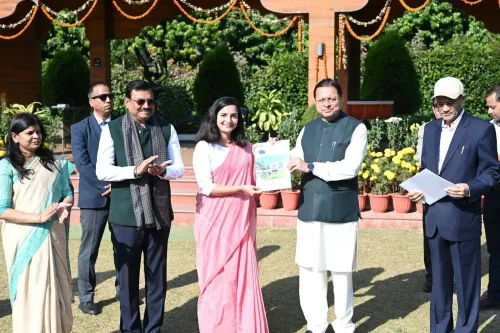
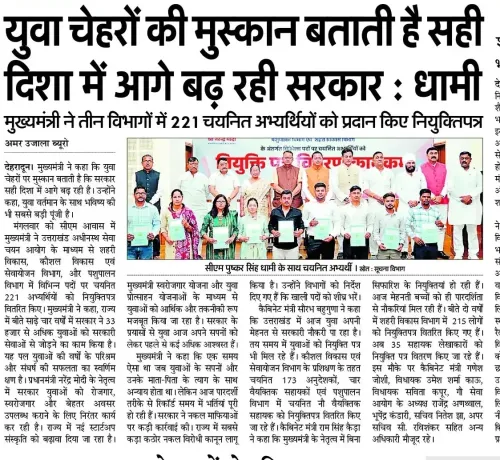
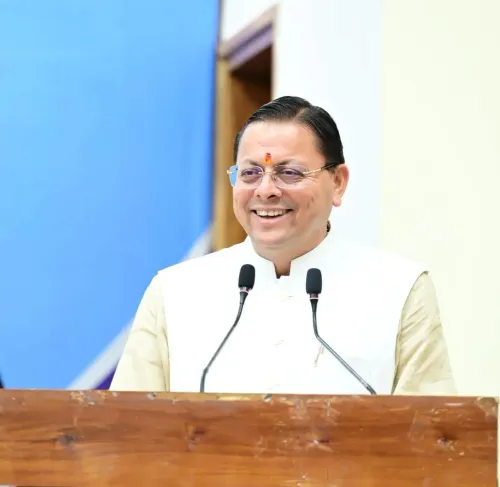
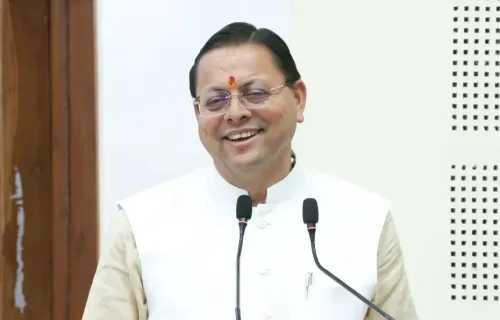
Chief Minister Pushkar Singh Dhami handed appointment letters to 36 new naib tehsildars at the official residence.
The Chief Minister's Office said 13 of the selected candidates were women.
Dhami asked officers to resolve mutation, measurement, demarcation and revenue-record cases carefully and on time.
He called for special attention to remote mountain residents, older people and persons with disabilities.
He sought timely disaster-damage assessments and decisions free from pressure or inducements.
Dhami said more than 36,000 young people had received government jobs over the past five years .
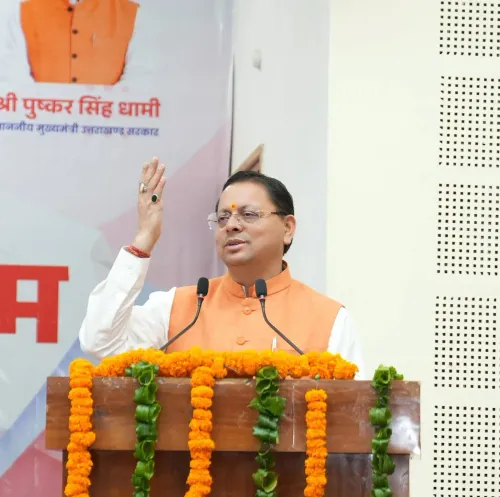
Land records, disaster relief and fewer journeys to government offices: the Chief Minister's Office of Uttarakhand said on 25 November 2026 that Chief Minister Pushkar Singh Dhami had handed appointment letters to 36 new naib tehsildars at the official residence. He urged them to handle cases with care and sensitivity, particularly for people travelling from remote mountain villages.
36 appointments, including 13 women
The Chief Minister's Office said 13 of the 36 selected candidates were women. Dhami congratulated the new officers and said their success would inspire other young women in the state preparing for government service.
He described naib tehsildars as an important link in revenue administration, with duties directly connected to people's land, livelihoods and rights. Chief Secretary Anand Bardhan also congratulated the appointees, calling government service an important means of serving the public, according to the post.
Land cases and long journeys to the tehsil
The chief minister asked the officers to resolve matters involving mutation, measurement, demarcation and revenue records carefully and on time. For a farmer, he said, land supports a family's livelihood and children's future; officers should therefore consider the circumstances of the families involved.
He also asked them to listen patiently and explain the documents and procedures required, so applicants do not have to make unnecessary repeat visits. He singled out people from remote mountain villages, particularly older people and persons with disabilities, for special attention.
Disaster assessments and recruitment claims
In a Himalayan state where geography can make access difficult, revenue officers also have a role when disaster strikes. Dhami called for accurate, timely assessments of damage so affected families can receive relief promptly under the rules.
The chief minister said the government follows a policy of 'zero tolerance' towards corruption and asked officers to decide cases on the basis of rules, law and facts, without yielding to pressure, recommendations or inducements. He also said the state had introduced a strict anti-cheating law for recruitment examinations and had provided government jobs to more than 36,000 young people over the past five years; those figures are the government's claim.
For the new officers, the test will be in the cases brought to their desks: clear answers, timely decisions and fewer needless journeys for the families they serve.
Point of View
Not independently established here.
NationPress
25 Nov 2026
Frequently Asked Questions
How many naib tehsildars received appointment letters in Uttarakhand?
Chief Minister Pushkar Singh Dhami handed appointment letters to 36 newly appointed naib tehsildars, according to the Chief Minister's Office.
How many women were among the new Uttarakhand naib tehsildars?
The Chief Minister's Office said 13 of the 36 selected candidates were women.
What did Dhami ask the new naib tehsildars to do?
He asked them to handle land and revenue-record matters carefully and on time, explain procedures clearly and pay special attention to people from remote areas.
What role did Dhami assign revenue officers during disasters?
He asked revenue officers to assess disaster damage accurately and promptly so affected families can receive relief under the rules.
What did Dhami say about government jobs in Uttarakhand?
Dhami said the state had provided government jobs to more than 36,000 young people over the past five years. The figure is a government claim reported in the post.