CM Dhami invites pilgrims to Jageshwar Mahadev this Shravan

Synopsis
Uttarakhand CM Pushkar Singh Dhami on 6 August 2026 invited pilgrims to the ancient Jageshwar Mahadev Temple in Almora during Shravan, spotlighting a Skanda Purana-referenced Shiva complex amid deodar forests as part of the state's broader religious-tourism push.
Key Takeaways
CM Pushkar Singh Dhami posted an invitation on 6 August 2026 urging devotees to visit Shri Jageshwar Mahadev Temple during the holy month of Shravan .
The temple complex in Almora district is referenced in the Skanda Purana and several other ancient religious texts, attesting to its scriptural and historical significance.
Set amid dense deodar forests at approximately 1,870 metres above sea level, the complex comprises over a hundred temples, many dating to the 7th–12th century .
The post reflects Uttarakhand's decade-long policy of promoting secondary Shiva shrines alongside the Char Dham circuit to spread pilgrimage traffic and economic benefit.
Jageshwar sees peak footfall during Shravan and is accessible via Almora town , roughly 36 km from the temple precinct.
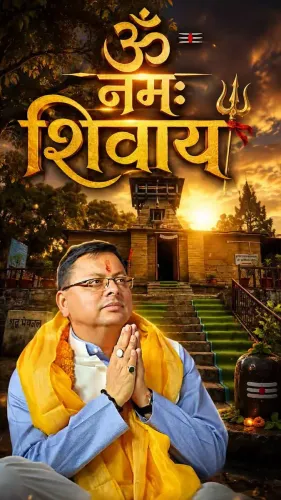
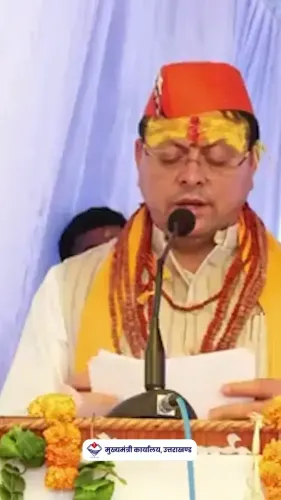
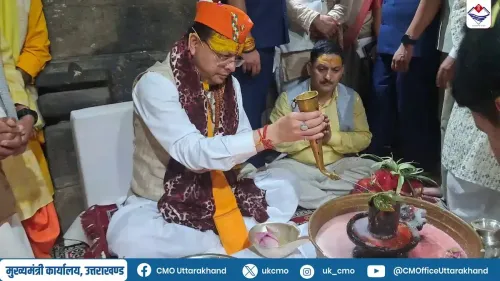
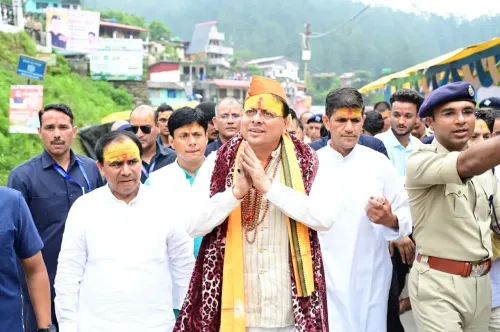
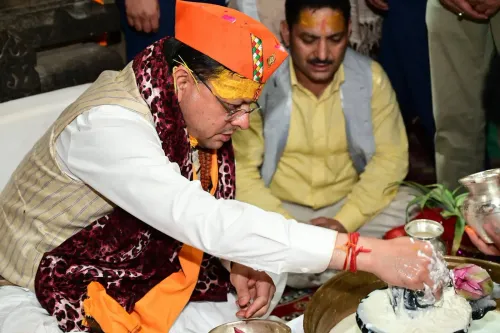
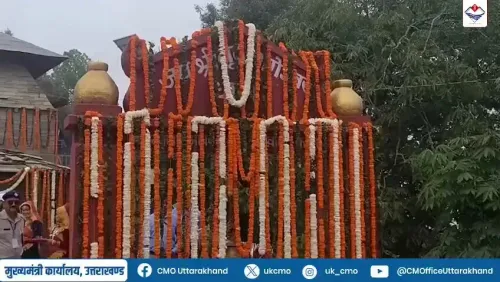
Nestled inside Almora's ancient deodar forests, the Shri Jageshwar Mahadev Temple is drawing fresh national attention this Shravan 2026 — and Uttarakhand Chief Minister Pushkar Singh Dhami wants every devotee to know it. On Thursday, 6 August 2026, Dhami used his official X account to invite pilgrims visiting Devbhoomi Uttarakhand during the holy month to seek the blessings of Jageshwar Mahadev, calling it a site of unparalleled divine energy and ancient architectural splendour.
A temple that predates the textbooks
The Jageshwar temple complex in Almora district is no ordinary shrine. Referenced in the Skanda Purana and several other religious texts, the cluster of stone temples dedicated to Lord Shiva stands as one of the oldest continuously worshipped pilgrimage sites in the Himalayas. Dhami described it as 'devadhideva Mahadev ko samarpit atyanat ramaneey teerth sthal' — a supremely scenic pilgrimage place dedicated to the lord of all gods — a characterisation that matches the site's documented scriptural and architectural standing.
Set amid dense deodar cedar groves at roughly 1,870 metres above sea level, Jageshwar comprises over a hundred small and large temples, many dating to the 7th–12th century Katyuri and Chand dynasty periods. The Archaeological Survey of India maintains the complex as a protected monument, underscoring its historical weight beyond religious significance.
Shravan spotlight and Uttarakhand's temple-tourism strategy
Dhami's post is part of a deliberate, sustained effort by Uttarakhand governments — spanning more than a decade — to promote secondary Shiva shrines alongside the high-traffic Char Dham circuit. The logic is straightforward: spread pilgrimage footfall across the state, ease congestion at the four major dhams, and draw economic benefit to districts like Almora that sit outside the main yatra corridor.
Every Shravan, when devotion to Shiva peaks across India, Uttarakhand's leadership amplifies lesser-known but historically rich temples on social media. Jageshwar — with its forest setting, scriptural pedigree, and relative accessibility from Kathgodam and Haldwani — is a natural centrepiece for that campaign. The combination of spiritual credibility and scenic surroundings makes it appealing to both traditional pilgrims and domestic heritage tourists.
What pilgrims and visitors can expect
The temple sees its highest annual footfall during Shravan (roughly July–August), when special rituals and abhishek ceremonies are performed daily. The surrounding Jageshwar Valley also hosts a small archaeological museum maintained by the ASI, offering context on the temple's Katyuri-era stone carvings and inscriptions. State tourism infrastructure in the area includes basic accommodation and road connectivity via Almora town, approximately 36 kilometres away.
Whether state authorities announce fresh connectivity or infrastructure upgrades for the temple precinct before Shravan concludes remains to be watched — but the Chief Minister's public spotlight on Jageshwar this week signals that the site is a priority in Uttarakhand's religious-tourism calendar for 2026.
For a state that stakes its identity on the title Devbhoomi — land of the gods — Jageshwar is not a footnote. It is the argument.
Point of View
Reinforcing Uttarakhand's 'Devbhoomi' brand while nudging pilgrimage revenue toward districts outside the Char Dham corridor. It is soft statecraft through religious sentiment — and it works, because the temple's scriptural and architectural credentials need no embellishment. The broader pattern signals that Uttarakhand's BJP government views social-media-led temple promotion as a low-cost, high-resonance tool for both cultural identity and tourism economics heading into the second half of 2026.
NationPress
6 Aug 2026
Frequently Asked Questions
Where is Jageshwar Mahadev Temple located?
The Jageshwar Mahadev Temple complex is located in Almora district , Uttarakhand, approximately 36 kilometres from Almora town, set amid dense deodar forests at around 1,870 metres above sea level.
Why is Jageshwar temple historically significant?
Jageshwar is one of the oldest continuously worshipped Shiva pilgrimage sites in the Himalayas. It is referenced in the Skanda Purana and other religious texts, and its temples date largely to the 7th–12th century Katyuri and Chand dynasty periods. The Archaeological Survey of India maintains it as a protected monument.
What is the best time to visit Jageshwar temple?
The temple sees its highest footfall during Shravan (July–August), when special Shiva rituals and abhishek ceremonies are performed daily. CM Dhami specifically invited pilgrims to visit during Shravan 2026 .
Why did CM Dhami post about Jageshwar temple?
Uttarakhand Chief Minister Pushkar Singh Dhami posted on 6 August 2026 to invite pilgrims visiting Devbhoomi Uttarakhand during Shravan to seek blessings at Jageshwar. The post is part of the state government's sustained campaign to promote secondary Shiva shrines alongside the Char Dham circuit.
How does Jageshwar temple relate to Uttarakhand's tourism policy?
Since the 2010s , Uttarakhand governments have actively promoted historic temples like Jageshwar to spread pilgrimage traffic beyond the main Char Dham corridor, boosting tourism revenue in districts like Almora that sit outside the primary yatra route.