CM Dhami Holds Direct Farmer Dialogue at Khet Bachao Abhiyan in Almora
Synopsis
Chief Minister Pushkar Singh Dhami personally engaged with farmers at the Khet Bachao Abhiyan event in Hawalbagh, Almora on June 6, 2026, continuing the Uttarakhand government's block-level outreach to address agricultural land abandonment in the Kumaon hill districts.
Key Takeaways
Chief Minister Pushkar Singh Dhami attended the Khet Bachao Abhiyan programme in Hawalbagh, Almora on June 6, 2026 .
The CM held direct, face-to-face conversations with farmers — a format described as 'seedha samvaad' — rather than relying on intermediary officials.
Almora in the Kumaon region is among Uttarakhand's hill districts most affected by rural out-migration and farmland abandonment.
The Khet Bachao Abhiyan is part of a broader state policy lineage since 2021 combining CM-level outreach with organic farming and irrigation support schemes.
The event follows a pattern of targeted block-level programmes rather than statewide legislative intervention to address land-use challenges.
Expansion of the campaign to additional blocks and possible land-use directives in the next assembly session remain key developments to watch.
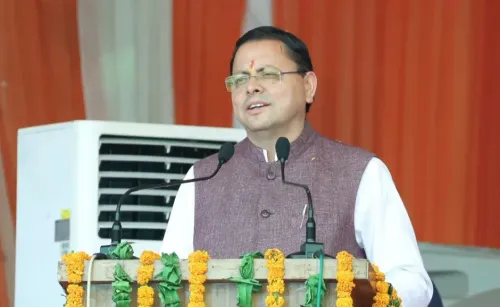
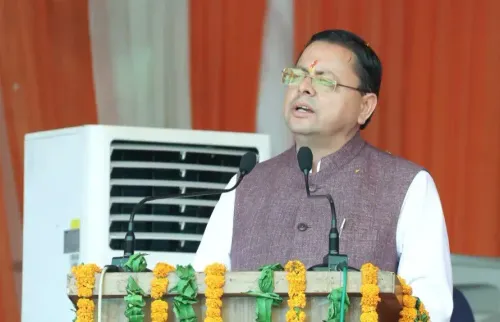
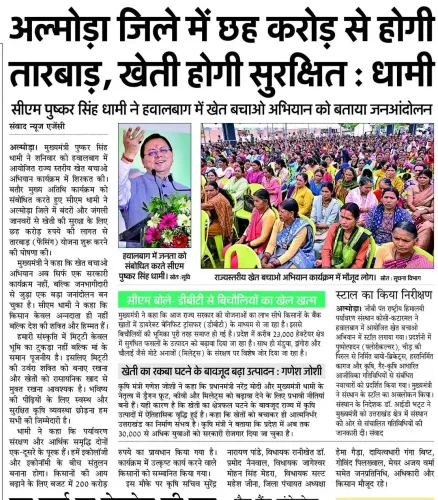
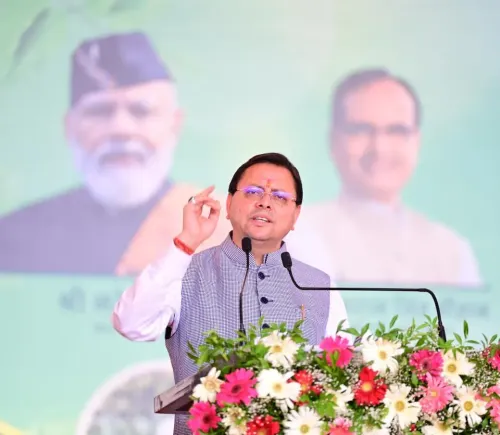
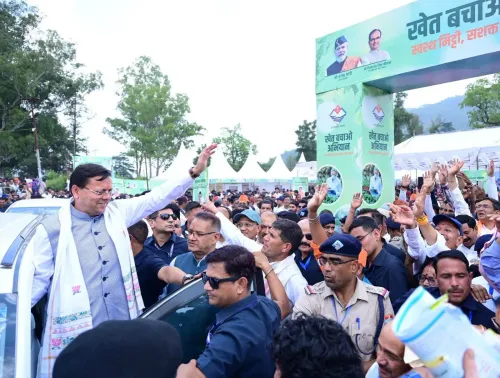
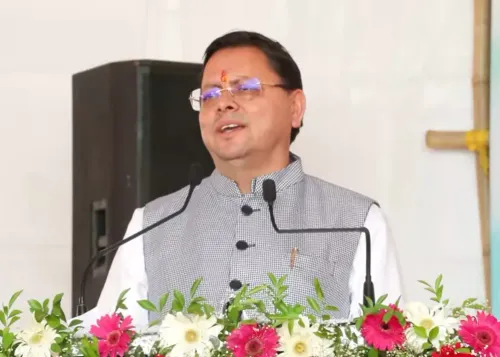
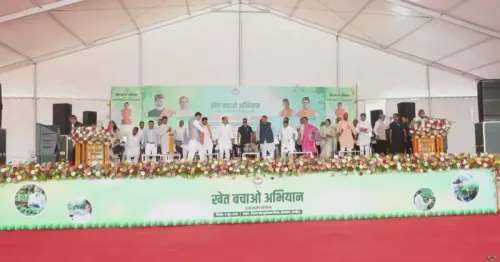
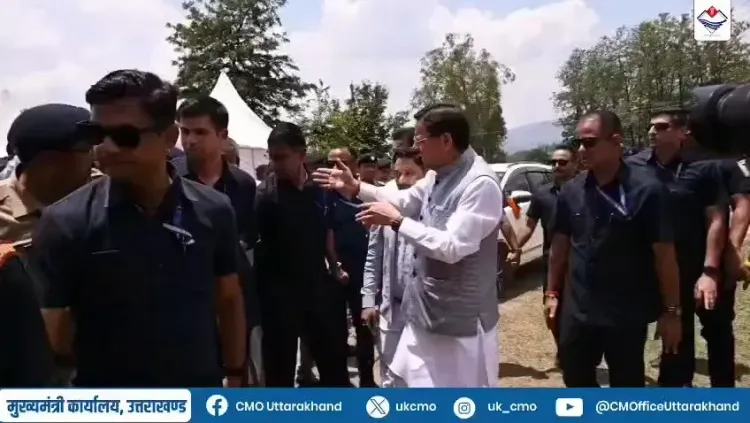
The Chief Minister's Office of Uttarakhand announced on Saturday, June 6, 2026, that Chief Minister Pushkar Singh Dhami personally engaged with farmers at the 'Khet Bachao Abhiyan' (Save the Fields Campaign) programme held in Hawalbagh development block of Almora district. The CM conducted direct, face-to-face conversations with farming communities at the event, underlining the state government's emphasis on grassroots agricultural outreach in the hill districts of Uttarakhand.
Context
The 'Khet Bachao Abhiyan' — translated as the 'Save the Fields Campaign' — is a state-level initiative aimed at arresting the growing trend of agricultural land abandonment in Uttarakhand's Himalayan districts. Almora, located in the Kumaon region, has long faced the dual pressure of rural out-migration and shrinking cultivable land, making it a focal point for such targeted interventions. Chief Minister Dhami's direct presence at the block level signals a deliberate effort to bring executive attention to ground-level agrarian concerns.
The event at Hawalbagh involved CM Dhami speaking directly with farmers rather than addressing them through intermediaries or bureaucratic channels. This format of direct dialogue — 'seedha samvaad' (direct conversation) — has been a recurring feature of the Dhami administration's outreach model since it took office in 2021.
Policy Backdrop
Since 2021, the Uttarakhand government has organised multiple farmer-interaction events across hill districts as part of a broader strategy to combat land abandonment and sustain agricultural productivity in ecologically sensitive zones. These programmes typically combine CM-level visibility with state schemes covering organic farming support and irrigation infrastructure. The Khet Bachao Abhiyan sits within this established policy lineage, targeting specific development blocks rather than pursuing statewide legislative reform.
Uttarakhand's hill districts have historically seen farmland fall fallow as younger generations migrate to urban centres for employment. Tourism expansion and infrastructure development have further altered land-use patterns in districts like Almora. State administrations across party lines have periodically launched localised campaigns to reverse this trend, though sustained outcomes have remained a challenge.
Stakeholders and Impact
The primary beneficiaries of the Khet Bachao Abhiyan are hill farmers and rural households in the Kumaon region, many of whom depend on subsistence or semi-commercial agriculture. Direct dialogue with the Chief Minister provides these communities an opportunity to surface specific grievances around land rights, water access, and crop support that may not reach state capital Dehradun through routine administrative processes.
For the Dhami government, block-level engagements of this nature serve both a policy function — gathering real-time feedback on scheme implementation — and a political one, reinforcing the administration's image as accessible and farmer-focused ahead of future electoral cycles.
What's Next
Observers will watch whether the Khet Bachao Abhiyan expands to additional development blocks across Uttarakhand's hill districts following the Hawalbagh event. Any accompanying directives on land-use conversion rules or new agricultural support measures could emerge in the next state assembly session. The pattern of block-level outreach suggests the government is building a case for more targeted rural policy rather than broad legislative changes in the near term.
Frequently Asked Questions
What is the Khet Bachao Abhiyan in Uttarakhand?
The Khet Bachao Abhiyan, meaning 'Save the Fields Campaign', is a state government initiative in Uttarakhand aimed at preventing agricultural land abandonment in hill districts, combining CM-level farmer outreach with support for organic cultivation and irrigation.
Where is Hawalbagh and why was the event held there?
Hawalbagh is a community development block in Almora district in Uttarakhand's Kumaon region. It was chosen for the Khet Bachao Abhiyan event as part of the state government's targeted block-level approach to addressing farming challenges in hill areas.
What did CM Dhami do at the Almora farmer event on June 6, 2026?
Chief Minister Pushkar Singh Dhami held direct, face-to-face conversations with farmers at the Khet Bachao Abhiyan programme in Hawalbagh, Almora, engaging with them personally rather than through officials.
Why is farmland abandonment a problem in Uttarakhand?
Farmland abandonment in Uttarakhand's hill districts is driven by rural out-migration, with younger generations moving to cities for employment. Tourism expansion and infrastructure development have also altered land-use patterns, leaving agricultural plots fallow.
Has the Uttarakhand government held similar farmer outreach events before?
Yes, since 2021 the Uttarakhand government has conducted multiple direct farmer-interaction events in hill districts as part of efforts to address land abandonment and promote sustainable agriculture, making the Hawalbagh event part of an established outreach pattern.