CM Dhami mourns Garhwal Rifles soldier from Chamoli
Synopsis
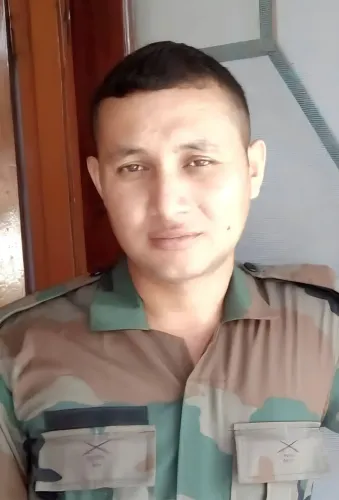
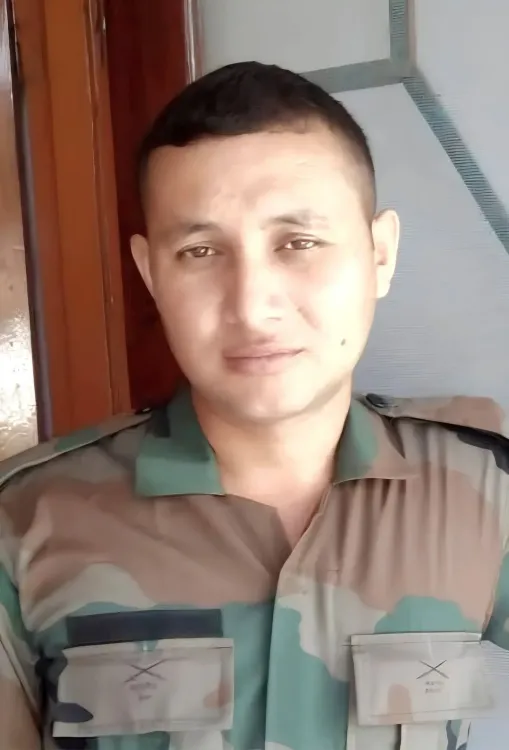
Uttarakhand CM Pushkar Singh Dhami condoled the death of Naik Subedar Vishwanath Pratap Singh Gadiya of 11 Garhwal Rifles, from Harmal village in Chamoli, who died defending the nation in J&K's Uri sector.
Key Takeaways
Naik Subedar Vishwanath Pratap Singh Gadiya of the 11 Garhwal Rifles died on duty in the Uri sector, Jammu and Kashmir .
He was a resident of village Harmal, Chamoli district, Uttarakhand .
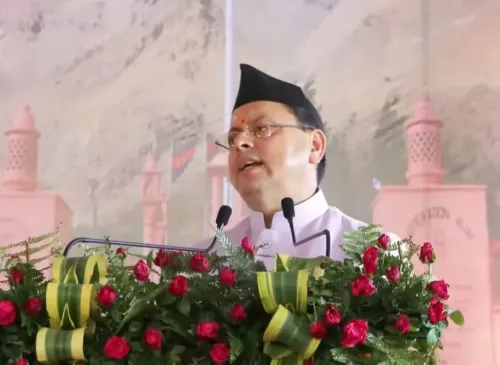
Uttarakhand Chief Minister Pushkar Singh Dhami expressed condolences on 30 October 2026 and prayed for peace for the departed soul.
The Garhwal Rifles regiment is recruited primarily from Uttarakhand's Garhwal hills and maintains a continuous presence along the Line of Control.
The Uri sector in Baramulla district is one of the most operationally sensitive postings on the western front.
An official Indian Army or Ministry of Defence statement on the incident is awaited.
A soldier from the hills of Chamoli district, Uttarakhand, laid down his life guarding the nation in the Uri sector of Jammu and Kashmir — and on Friday, 30 October 2026, Uttarakhand Chief Minister Pushkar Singh Dhami broke the news to the world with a message of grief and prayer.
Naik Subedar Vishwanath Pratap Singh Gadiya, a resident of village Harmal in Chamoli district, was deployed with the 11 Garhwal Rifles when he died in the line of duty. Chief Minister Dhami described the news as 'atyant duhkhad' — atyant duhkhad (deeply sorrowful) — and prayed that the departed soul find peace at the feet of the Almighty, and that his bereaved family be granted the strength to bear this immeasurable loss.A Garhwali soldier's final post on the Line of Control
The Garhwal Rifles is one of the Indian Army's most storied infantry regiments, drawing its recruits overwhelmingly from the rugged hill districts of Uttarakhand's Garhwal division — the very landscape that shaped soldiers like Gadiya. The regiment maintains a sustained forward presence in Jammu and Kashmir, including the sensitive Uri sector of Baramulla district, which runs along the Line of Control and has seen some of the most intense cross-border hostilities in recent decades.
For communities like Harmal village in Chamoli, military service is not merely a career — it is a multigenerational calling. Chamoli and its neighbouring districts consistently produce some of the highest per-capita recruitment numbers into the armed forces anywhere in India. When a son of that soil falls, the grief is collective and deeply felt.
State condolences and the tradition of recognising hill-country martyrs
Chief ministers of states with high military recruitment — Uttarakhand foremost among them — have long made it a practice to publicly acknowledge casualties from their regiments serving in Jammu and Kashmir. It is a form of official witness: the state government saying, on the record, that the sacrifice did not go unseen. Dhami's post follows that tradition, but the specificity — the soldier's name, his regiment, his village — gives it weight beyond ritual courtesy.
The Uri sector entered national consciousness sharply after the September 2016 attack on an Indian Army camp there, which triggered a major security response. A decade on, the area remains one of the most operationally demanding postings along the western front. That Gadiya served there, and gave his life there, places his sacrifice in a context that every Indian who followed those events will recognise.
The Indian Army or the Ministry of Defence may yet release an official account of the incident, along with any ex-gratia or gallantry recognition for the fallen soldier. Until then, the Chief Minister's words stand as the first public acknowledgement of a life given in service to the nation. The hills of Garhwal are mourning one of their own.
Point of View
Where the state's identity is deeply intertwined with army service and sacrifice. By naming the soldier, his regiment, and his village, Dhami does more than offer condolences — he performs an act of state recognition that matters enormously to hill communities who regard such acknowledgements as a measure of how much the government values their sons. With Uttarakhand elections perpetually on the horizon, public grief for martyrs also reinforces the BJP's cultivated image as the party of military honour. Yet the post's restrained, prayer-forward language keeps it firmly in the register of sincere mourning rather than political messaging.
NationPress
30 Oct 2026
Frequently Asked Questions
Who was Naik Subedar Vishwanath Pratap Singh Gadiya?
He was a soldier deployed with the 11 Garhwal Rifles of the Indian Army, hailing from village Harmal in Chamoli district of Uttarakhand, who died on duty in the Uri sector of Jammu and Kashmir.
What is the 11 Garhwal Rifles?
The Garhwal Rifles is an Indian Army infantry regiment recruited mainly from the Garhwal hills of Uttarakhand, with a long record of deployments in forward areas including Jammu and Kashmir.
Where is the Uri sector?
The Uri sector is in Baramulla district of Jammu and Kashmir, located along the Line of Control. It gained national attention after a major militant attack on an Indian Army camp there in September 2016.
What did CM Pushkar Singh Dhami say about the martyr?
CM Dhami called the news deeply sorrowful and prayed that the departed soul find peace and that his bereaved family be given strength to bear the loss. He posted the tribute on X on 30 October 2026.
Why does Uttarakhand have so many soldiers in the Indian Army?
Districts like Chamoli in Uttarakhand's Garhwal division have multigenerational traditions of military service and consistently record some of the highest per-capita army recruitment numbers in India.