CM Dhami: Respect the mandate, don't question institutions
Synopsis
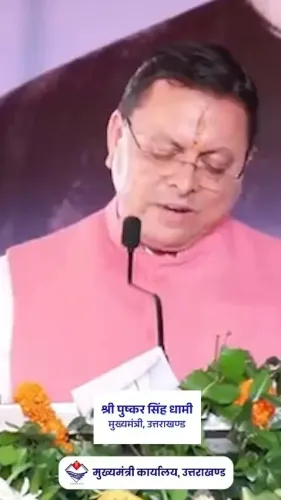
Uttarakhand Chief Minister Pushkar Singh Dhami on 6 November 2026 accused opposition parties of questioning constitutional institutions only when election outcomes do not favour them, calling on every political party to respect the people's mandate.
Key Takeaways
CM Pushkar Singh Dhami made the statement on 6 November 2026 , shared officially by the Uttarakhand Chief Minister's Office on X.
Dhami accused opposition parties of accepting electoral results only when they win, and attacking constitutional institutions when they lose.
He stated that respecting the people's mandate is the responsibility of every political party in a democracy.
The remark fits a broader pattern since 2014 of ruling parties defending electoral outcomes against opposition challenges to the Election Commission and related bodies.
Uttarakhand 's BJP government, returned to power in the 2022 assembly elections , provides the immediate political context for Dhami's remarks.
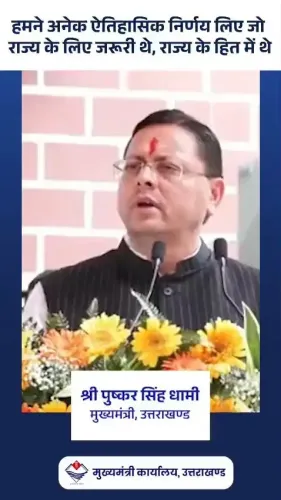
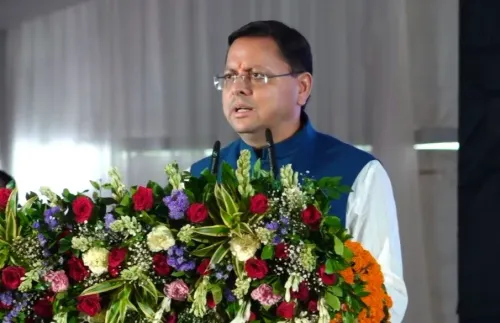
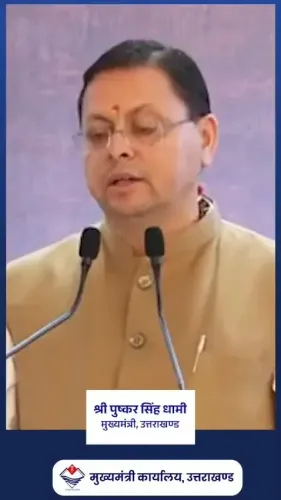
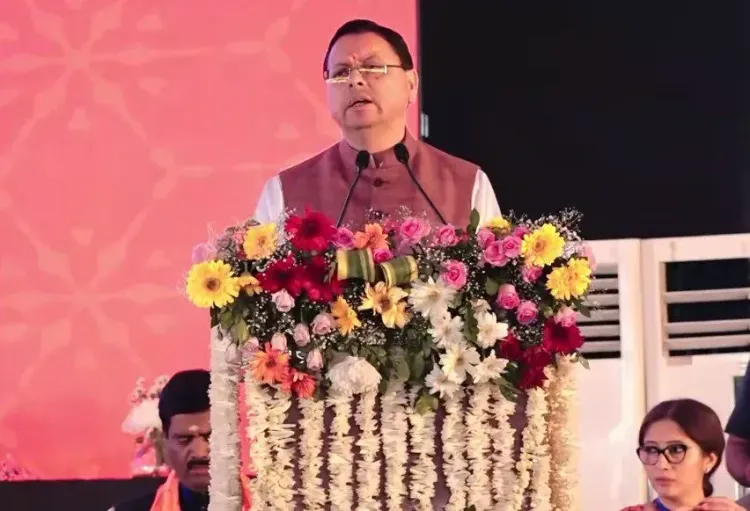
When the people speak, losing parties must listen — not litigate. Uttarakhand Chief Minister Pushkar Singh Dhami, speaking on Friday, 6 November 2026, fired a pointed salvo at opposition parties across the country, warning them against undermining constitutional bodies the moment election results do not favour them.
The Chief Minister's Office posted the remarks on X, quoting Dhami directly: 'जब चुनाव परिणाम विपक्षी दलों के पक्ष में आते हैं तो सब कुछ ठीक रहता है, लेकिन जब जनता उन्हें नकार देती है तो वे संवैधानिक संस्थाओं पर सवाल उठाने लगते हैं।' ('When election results go in favour of opposition parties, everything is fine — but the moment the people reject them, they start questioning constitutional institutions.')
Dhami's core charge: selective respect for democracy
The statement cuts to a recurring tension in Indian electoral politics. Dhami's argument is blunt: opposition parties invoke democratic principles when they win, then turn around and attack the very machinery of democracy — most pointedly the Election Commission — when they lose. His closing line framed it as a first principle: 'Respecting the people's mandate is the responsibility of every political party in a democracy.' It is a charge that lands with particular force in Uttarakhand, where the BJP under Dhami held its nerve in the 2022 state assembly elections, securing a majority despite pre-poll scepticism. That victory — and the opposition's response to it — appears to form part of the backdrop to his remarks, though the specific trigger for this particular statement remains unspecified.A pattern bigger than one state
Dhami's broadside is not an isolated moment. Since 2014, Indian politics has seen a recurring cycle: a ruling party wins, the losing side raises procedural or institutional objections, and the winners respond by defending the legitimacy of the outcome. It has played out after general elections, state polls, and by-elections alike. The Election Commission, the constitutional body that conducts and certifies polls, has repeatedly found itself at the centre of these disputes. The Uttarakhand CM is now adding his voice to a well-worn but genuinely consequential debate — one that goes to the heart of how much democratic legitimacy a mandate actually carries, and whether institutional trust can survive repeated cycles of challenge and counter-challenge. For opposition parties, the question will be whether they respond in kind or allow the framing to stand. The silence, or the reply, will tell its own story.Point of View
He is attempting to shift the burden of proof: it is now the opposition, not the government, that must defend its democratic credentials. This kind of rhetoric tends to harden base support while doing little to resolve underlying grievances about electoral processes. The deeper policy question — whether India's constitutional institutions are genuinely insulated from political pressure — goes unanswered, as it almost always does in exchanges of this kind.
NationPress
6 Nov 2026
Frequently Asked Questions
What did Uttarakhand CM Pushkar Dhami say about election results?
Dhami said that opposition parties accept election results when they win but begin questioning constitutional institutions the moment the public rejects them, adding that every political party has a duty to respect the people's mandate.
Why is Pushkar Singh Dhami making this statement in November 2026?
The specific trigger has not been confirmed, but the statement follows a well-established pattern of BJP leaders defending electoral mandates whenever opposition parties raise concerns about the Election Commission or other constitutional bodies after losing contests.
Which constitutional institution is Dhami referring to?
While Dhami did not name a specific institution in this statement, the reference to 'constitutional institutions' in the Indian electoral context typically points to the Election Commission of India, which conducts and certifies elections.
What is the BJP's position in Uttarakhand?
The BJP has governed Uttarakhand since 2017. Under Pushkar Singh Dhami, the party won a majority in the 2022 state assembly elections, returning Dhami as Chief Minister.
Is questioning the Election Commission common after Indian elections?
Yes. Since 2014, opposition parties across multiple state and national elections have raised procedural objections or questioned the Election Commission's conduct after losing, a cycle that ruling parties regularly invoke when defending electoral outcomes.