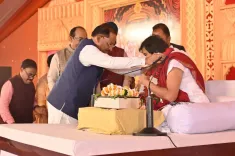
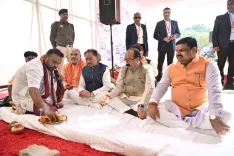
CM Fadnavis backs Buddhist heritage project in Nagpur
Synopsis
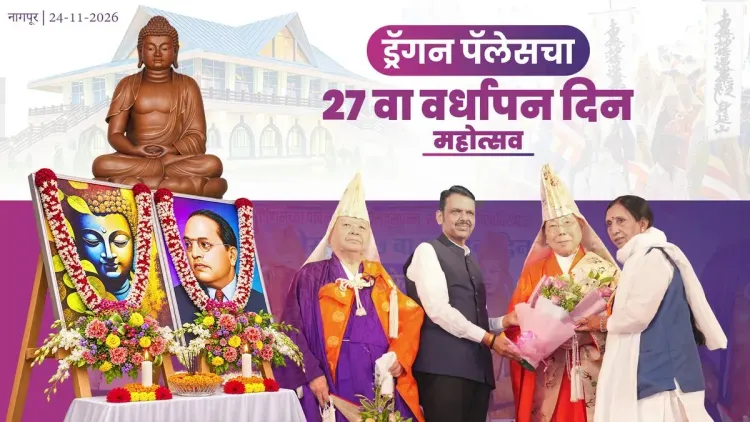
At Dragon Palace Temple's 27th anniversary in Nagpur, CM Devendra Fadnavis pledged state support for a seven-nation Buddhist heritage project and highlighted a Metro link to Deekshabhoomi. He also called for closer India-Japan academic and cultural exchanges.
Key Takeaways
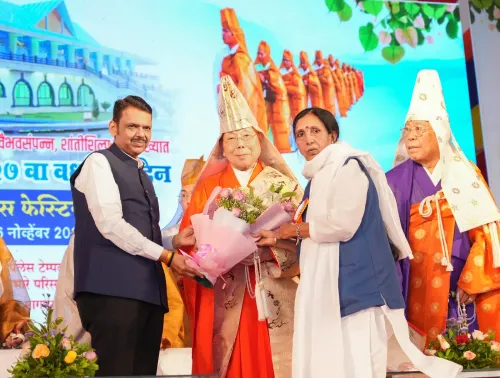
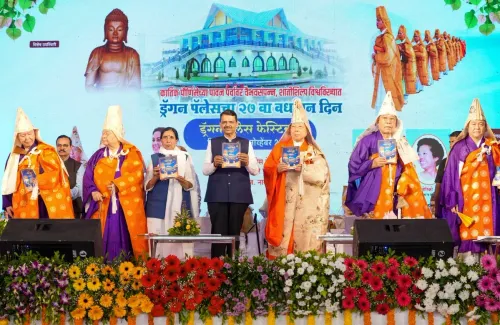
Fadnavis attended the 27th anniversary of Dragon Palace Temple in Nagpur on 24 November 2026.
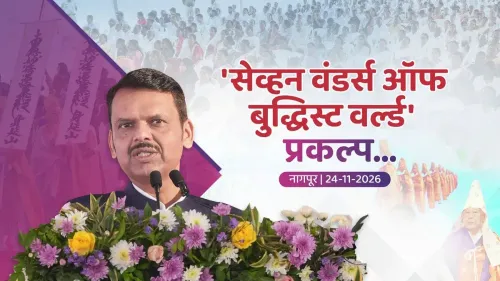
He assured state support for the Seven Wonders of Buddhist World Under One Umbrella project.
The project proposes to bring together architectural and cultural heritage from seven Buddhist nations.
He said a Metro link between Deekshabhoomi and Dragon Palace would help devotees and visitors reach both sites.
He called for Buddhist literature translations and stronger India-Japan academic and cultural exchanges.
A Buddhist heritage project spanning seven nations has received the backing of Maharashtra Chief Minister Devendra Fadnavis, who announced state support at the Dragon Palace Temple anniversary festival in Nagpur on 24 November 2026. He also pointed to a Metro link between the temple and Deekshabhoomi, connecting two important Buddhist destinations in the city.
Seven-nation heritage project at Dragon Palace
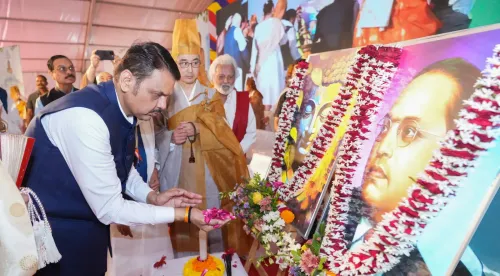
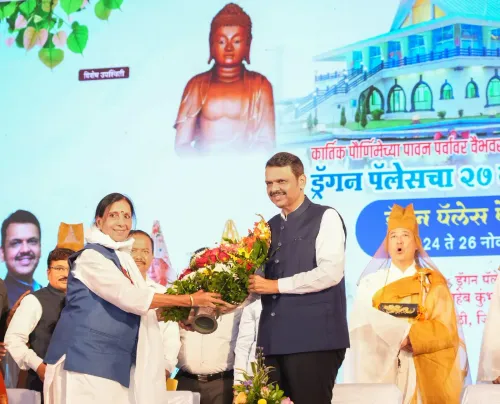
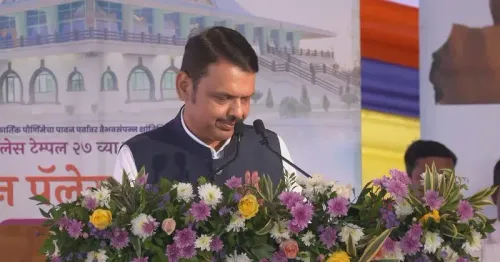
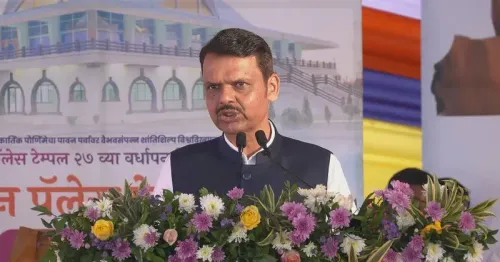
Attending the temple's 27th anniversary during the Dragon Palace Festival, Fadnavis said the proposed Seven Wonders of Buddhist World Under One Umbrella would bring together the architectural and cultural heritage of seven Buddhist nations. He said the state government would support the project to help develop the destination as an international centre of Buddhist thought.
The chief minister did not specify funding, a construction timetable or the participating nations in his post. He said the Metro link connecting Deekshabhoomi and Dragon Palace would make it easier for devotees and visitors to experience both sites.
Ambedkar's legacy and Nagpur's Buddhist sites
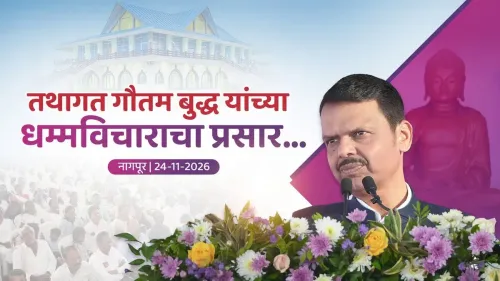
Fadnavis paid tribute to Gautam Buddha and Dr Babasaheb Ambedkar, describing the Buddha's teachings as rooted in 'Pragya (Wisdom), Karuna (Compassion) and Sheel (Morality)'.
Deekshabhoomi marks the site where Ambedkar, the principal architect of the Indian Constitution, led a mass conversion to Buddhism in 1956. The event is a defining moment in the Dalit Buddhist movement and gives the proposed connection between the two sites particular significance for visitors.
Japan ties and Buddhist exchanges
Fadnavis described Dragon Palace Temple as a symbol of India-Japan friendship and called for translations of Buddhist literature and greater academic and cultural exchanges. Such partnerships, he said, could take the teachings of Buddha and Ambedkar to younger generations.
Among those present, he said, were temple head Advocate Sulekhatai Kumbhare, MLC Dr Rajeev Potdar and Rev Kansen Mochida, president of the International Nichiren-Shu Fellowship Association in Japan. The next question is how the proposed heritage project and Metro connection move from the festival platform to delivery.
Point of View
India-Japan cultural ties and urban connectivity into the same conversation. Deekshabhoomi's association with Ambedkar's 1956 conversion gives the proposed link a distinct place in Nagpur's religious and social history. The scale of the state government's commitment will become clearer if funding and implementation details are announced.
NationPress
24 Nov 2026
Frequently Asked Questions
What did Fadnavis announce at Dragon Palace Temple?
He assured Maharashtra government support for the Seven Wonders of Buddhist World Under One Umbrella project. The proposal would bring together architectural and cultural heritage from seven Buddhist nations.
Where is Dragon Palace Temple?
Dragon Palace Temple is in Nagpur, Maharashtra. It is a Buddhist temple associated with India-Japan cultural ties.
Will Deekshabhoomi and Dragon Palace be connected by Metro?
Fadnavis referred to a Metro link connecting the two destinations and said it would make visits easier. His post did not give a completion date.
Why is Deekshabhoomi important?
Deekshabhoomi marks the Nagpur site where Dr Babasaheb Ambedkar led a mass conversion to Buddhism in 1956. It is a significant site for the Dalit Buddhist movement.
What did Fadnavis say about India-Japan Buddhist ties?
He called for stronger academic and cultural partnerships, including translations of Buddhist literature and greater exchanges. He described Dragon Palace Temple as a symbol of the friendship between the two countries.