CM Fadnavis receives Rs 2.5 lakh donation for Maharashtra Relief Fund
Synopsis
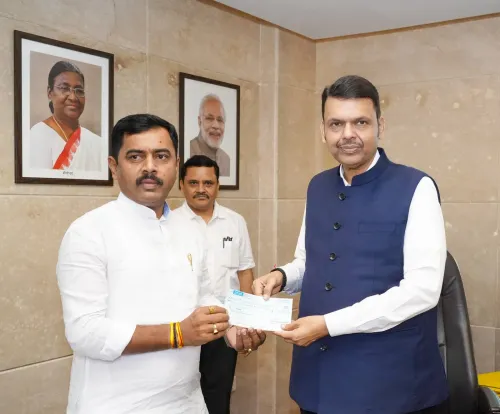
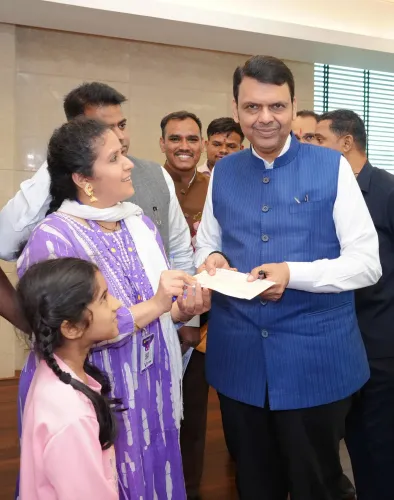
Dr. Madhuri Borase of Niramay Hospital, Mumbai, presented a ₹2,50,000 cheque to Chief Minister Devendra Fadnavis for the Maharashtra Chief Minister's Relief Fund on 20 July 2026, continuing a pattern of private healthcare institutions supporting state welfare mechanisms.
Key Takeaways
Niramay Hospital, Mumbai donated ₹2,50,000 to the Chief Minister's Relief Fund on 20 July 2026 .
The cheque was presented by Dr.
Madhuri Borase on behalf of the hospital to CM Devendra Fadnavis in Mumbai .
The Chief Minister's Relief Fund provides emergency financial assistance to citizens affected by disasters, health crises, and accidents in Maharashtra .
Private hospitals in Maharashtra have a documented history of contributing to the fund, including during the 2019 floods and COVID-19 period.
CM Fadnavis personally thanked Niramay Hospital for the contribution at the handover ceremony.
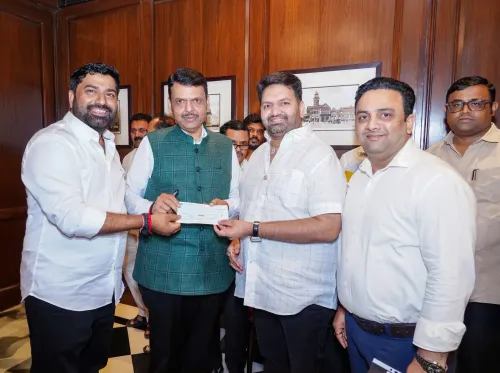
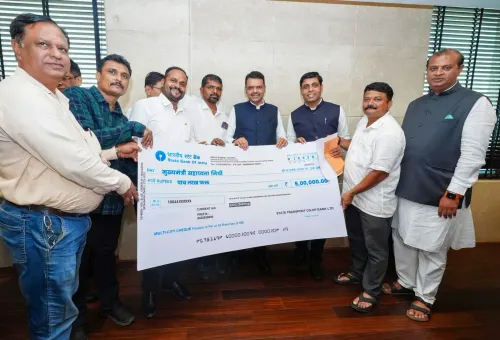
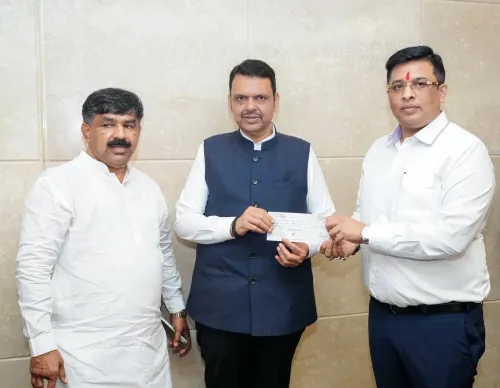
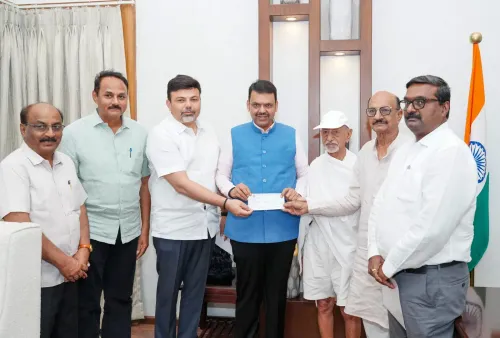
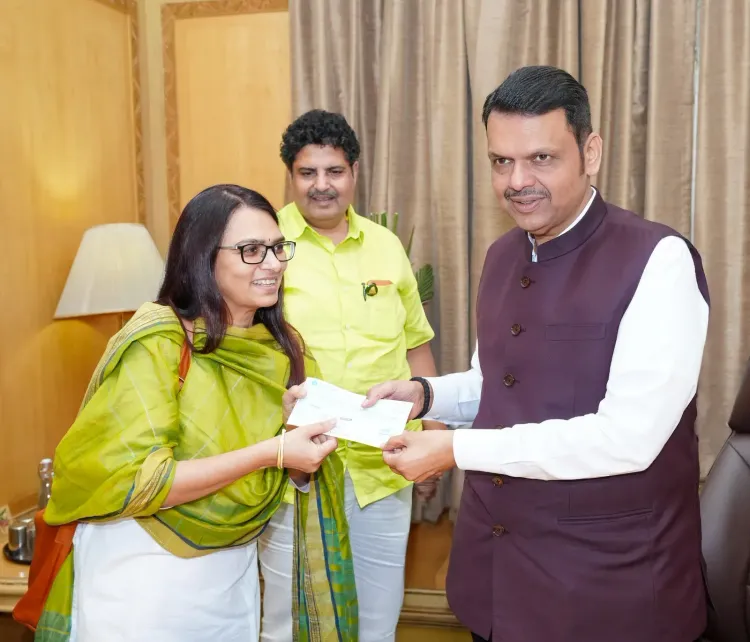
The Chief Minister's Office of Maharashtra announced on Monday, 20 July 2026 that Dr. Madhuri Borase, representing Niramay Hospital, Mumbai, presented a cheque of ₹2,50,000 to Chief Minister Devendra Fadnavis for the Chief Minister's Relief Fund. CM Fadnavis acknowledged the gesture and thanked the hospital for its contribution.
Context
The official post from the Chief Minister's Office reads: 'मुख्यमंत्री देवेंद्र फडणवीस यांना मुंबई येथे निरामय रुग्णालय यांच्यावतीने डॉ. माधुरी बोरसे यांनी मुख्यमंत्री सहाय्यता निधीमध्ये ₹2,50,000 देणगीचा धनादेश सुपूर्द केला.' ('Dr. Madhuri Borase, on behalf of Niramay Hospital, presented a donation cheque of ₹2,50,000 to Chief Minister Devendra Fadnavis at Mumbai for the Chief Minister's Relief Fund.') The handover ceremony took place in Mumbai, with CM Fadnavis personally receiving the cheque and expressing his gratitude to the donors.
Policy Backdrop
The Chief Minister's Relief Fund is a state-managed corpus used to provide emergency assistance to citizens affected by natural disasters, health crises, and accidents across Maharashtra. The fund has historically received contributions from private institutions, particularly during periods of heightened need. During the 2019 Maharashtra floods, the fund received multiple institutional donations earmarked for rehabilitation works, and in 2020-21, private hospitals contributed to support COVID-19 patient care and equipment procurement.
Private healthcare providers in Maharashtra have periodically donated to the fund as part of institutional social responsibility, a practice mirrored in several other Indian states where medical institutions supplement government relief mechanisms.
Stakeholders and Impact
Niramay Hospital is a Mumbai-based private hospital whose contribution reflects the broader pattern of corporate and institutional giving to state welfare mechanisms. The ₹2,50,000 donation adds to the fund's corpus available for disbursement to disaster-affected or medically vulnerable citizens. Such contributions, while individual in size, collectively supplement government allocations and expand the fund's reach to beneficiaries who might not otherwise qualify for direct state assistance.
The direct beneficiaries of the Chief Minister's Relief Fund include families affected by floods, cyclones, and other emergencies, as well as individuals seeking financial support for critical medical treatment. Private-sector participation signals a collaborative model between the state government and the healthcare industry in addressing welfare gaps.
What's Next
Attention will now turn to the next quarterly utilisation report of the Chief Minister's Relief Fund, which is expected to detail how accumulated donations are being channelled to beneficiaries. Any new guidelines on donation transparency or public disclosure of fund utilisation could further strengthen accountability around such contributions. Continued participation by private hospitals would reinforce the institutional giving trend that has characterised the fund's growth over recent years.
Point of View
Publicly acknowledging such contributions serves a dual purpose: it validates the fund's institutional standing and encourages further corporate giving. The pattern of private healthcare institutions donating to state relief funds has gained momentum since the COVID-19 era, reflecting a broader shift in how Indian states co-opt private sector resources for welfare delivery. Transparency in fund utilisation will be the key metric by which this collaborative model is ultimately judged.
NationPress
20 Oct 2026
Frequently Asked Questions
What is the Chief Minister's Relief Fund Maharashtra?
The Chief Minister's Relief Fund is a state-managed fund in Maharashtra used to provide emergency financial assistance to citizens affected by natural disasters, health emergencies, and accidents. It is funded through government allocations as well as voluntary donations from individuals and institutions.
Who donated to CM Fadnavis's relief fund on 20 July 2026?
Dr. Madhuri Borase, representing Niramay Hospital in Mumbai, presented a cheque of ₹2,50,000 to Chief Minister Devendra Fadnavis for the Chief Minister's Relief Fund on 20 July 2026.
How can private hospitals donate to the Maharashtra CM Relief Fund?
Private hospitals and other institutions can donate to the Maharashtra Chief Minister's Relief Fund by presenting a cheque or making a bank transfer directly to the fund, typically coordinated through the Chief Minister's Office.
What is Niramay Hospital Mumbai?
Niramay Hospital is a Mumbai-based private hospital. On 20 July 2026, it contributed ₹2,50,000 to the Maharashtra Chief Minister's Relief Fund through its representative Dr. Madhuri Borase.
Has Maharashtra's CM Relief Fund received hospital donations before?
Yes, private hospitals in Maharashtra have previously donated to the Chief Minister's Relief Fund, notably during the 2019 Maharashtra floods and the 2020-21 COVID-19 period, when contributions were used for rehabilitation and patient support.