CM Fadnavis mourns death of Gadge Maharaj Mission leader Bapusaheb Deshmukh
Synopsis
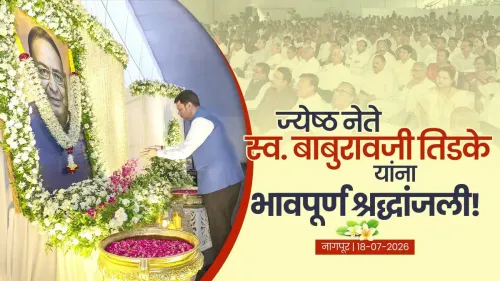
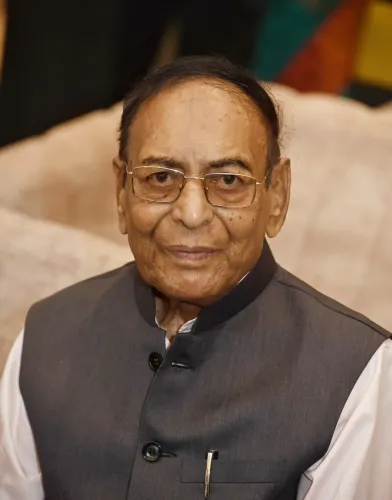
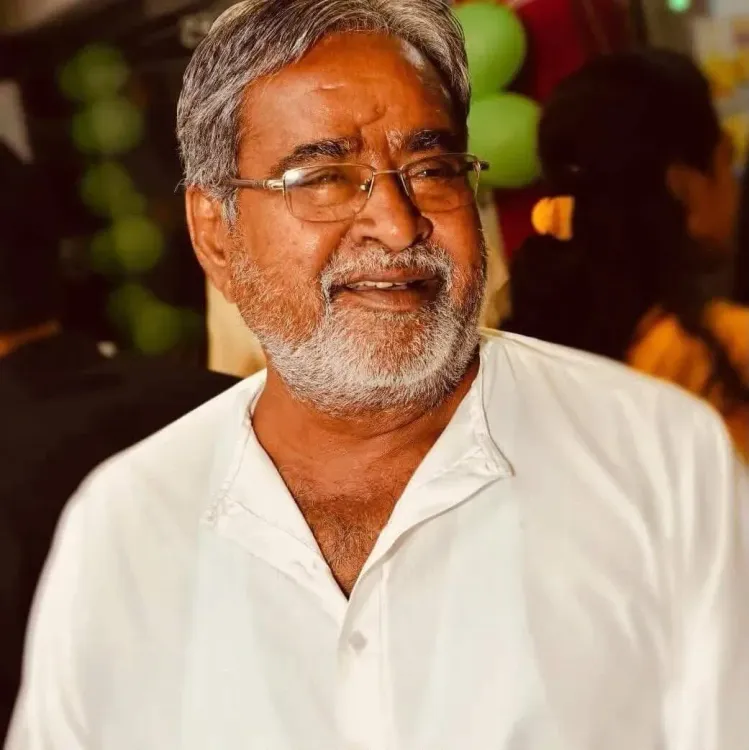
Maharashtra Chief Minister Devendra Fadnavis paid tribute to Bapusaheb Deshmukh, vice-president of Shri Gadge Maharaj Mission and chief trustee of Shri Gadge Maharaj Trust, who passed away on 9 August 2026. Fadnavis called Deshmukh a lifelong torchbearer of Sant Gadge Baba's ideals of service and selfless action.
Key Takeaways
Bapusaheb Deshmukh , vice-president of Shri Gadge Maharaj Mission, Mumbai and chief trustee of Shri Gadge Maharaj Trust , passed away on 9 August 2026 .
CM Devendra Fadnavis issued a public condolence in Marathi, calling Deshmukh a devoted servant of Sant Gadge Baba's ideals.
Deshmukh built significant social service infrastructure at Nagarwadi, Amravati district in the Vidarbha region.
Sant Gadge Baba (1876–1956) was a Maharashtrian saint-reformer known for campaigns against untouchability, alcoholism, and poor sanitation.
Fadnavis described the void left by Deshmukh's death as one that 'can never be filled', and expressed solidarity with the family and colleagues.
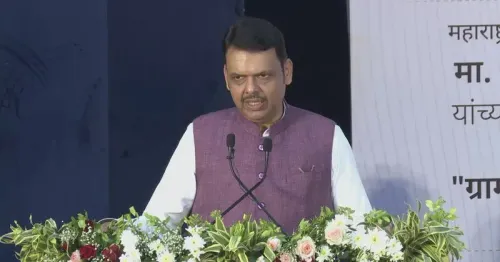
A quiet but steadfast flame of Sant Gadge Baba's social reform movement was extinguished on Sunday, 9 August 2026, when Bapusaheb Deshmukh — vice-president of the Shri Gadge Maharaj Mission, Mumbai, and chief trustee of the Shri Gadge Maharaj Trust — passed away. Maharashtra Chief Minister Devendra Fadnavis expressed deep grief at the loss, calling Deshmukh a devoted servant who carried forward the legacy of service, sacrifice, and selfless action all his life.
In his condolence message posted in Marathi, Fadnavis wrote: 'Sant Shri Gadgebaba yanch ya seva, tyag aani nishkam karmayogacha vasa ayushyabhar japnare...' — describing Deshmukh as a lifelong torchbearer of Gadge Baba's ideals. 'With his passing, a faithful lamp of Sant Gadgebaba's thoughts and service work has been extinguished,' Fadnavis said. 'The void created by his death can never be filled.'
Decades of grassroots work rooted in Nagarwadi
Deshmukh's most visible contribution was the service infrastructure he built at Nagarwadi in Amravati district, in Maharashtra's Vidarbha region — an area historically associated with agrarian hardship and social inequality. The Chief Minister specifically acknowledged this work, describing Deshmukh's sacrifice for society and his 'unwavering commitment to humanity' as a permanent source of inspiration.
The Gadge Maharaj Mission has long carried forward the vision of Sant Gadge Baba (1876–1956), the revered Maharashtrian saint-reformer who campaigned tirelessly against untouchability, alcoholism, and poor village sanitation — decades before these causes entered mainstream policy discourse. Deshmukh, in the Mission's leadership, represented that unbroken thread between the saint's original mission and its present-day expression in rural Maharashtra.
A tradition of honouring grassroots reformers
Fadnavis concluded his message with a heartfelt tribute — 'Om Shanti' — and conveyed solidarity with Deshmukh's family and colleagues. The condolence follows a pattern well-established in Maharashtra's political culture: leaders across party lines regularly pay public homage to figures linked to the state's rich social reform heritage, from Mahatma Phule to Dr Ambedkar to Sant Gadge Baba.
What sets Deshmukh apart in that tradition is that he was not a political figure or a prominent public intellectual — he was a quiet institution-builder whose life's work unfolded largely outside the spotlight, in the villages of Vidarbha. That the Chief Minister chose to mark his passing publicly underlines the moral weight such grassroots contributors still carry in Maharashtra's civic imagination.
The Gadge Maharaj Trust's continuity at Nagarwadi — and who steps into Deshmukh's leadership role — now becomes the quiet but consequential question for those who have worked alongside him for decades.
Point of View
The Chief Minister signals continuity with a non-partisan moral heritage that commands cross-caste respect in Vidarbha, a politically sensitive region. The tribute also subtly spotlights the importance of institution-builders who operate outside formal power structures, lending the condolence a civic weight beyond routine political courtesy. The question of succession at the Nagarwadi trust will test whether that acknowledgement translates into any tangible state support.
NationPress
9 Aug 2026
Frequently Asked Questions
Who was Bapusaheb Deshmukh?
Bapusaheb Deshmukh was the vice-president of Shri Gadge Maharaj Mission, Mumbai, and the chief trustee of Shri Gadge Maharaj Trust. He was a lifelong social worker who built service institutions at Nagarwadi in Amravati district, carrying forward the legacy of Sant Gadge Baba.
Who was Sant Gadge Baba?
Sant Gadge Baba (1876–1956) was a revered Maharashtrian saint and social reformer who campaigned against untouchability, alcoholism, and poor village sanitation. His work continues through organisations like the Shri Gadge Maharaj Mission.
Why did CM Fadnavis pay tribute to Bapusaheb Deshmukh?
CM Devendra Fadnavis paid tribute because Deshmukh was a senior leader of the Gadge Maharaj Mission and Trust, institutions with deep roots in Maharashtra's social reform tradition. Fadnavis described him as a faithful torchbearer of Sant Gadge Baba's ideals of service and selfless action.
Where was Bapusaheb Deshmukh's service work based?
Deshmukh's primary service work was centred at Nagarwadi in Amravati district, located in the Vidarbha region of Maharashtra.
What is the Shri Gadge Maharaj Mission?
The Shri Gadge Maharaj Mission is a Mumbai-based organisation that continues the sanitation and social service work inspired by Sant Gadge Baba, focusing on hygiene, anti-caste work, and rural community service across Maharashtra.