CM Fadnavis: Shiv Sena Is Bal Thackeray's Ideology, Not Just a Party
Synopsis
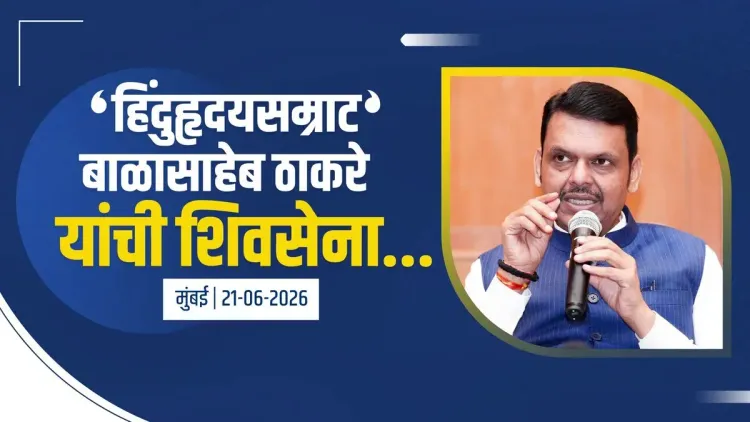
At a Mumbai press conference on June 21, 2026, Maharashtra CM Devendra Fadnavis declared Shiv Sena is not just a party but the enduring thought of founder Balasaheb Thackeray, reaffirming the BJP-Shinde alliance's claim to the party's ideological legacy amid an ongoing factional dispute.
Key Takeaways
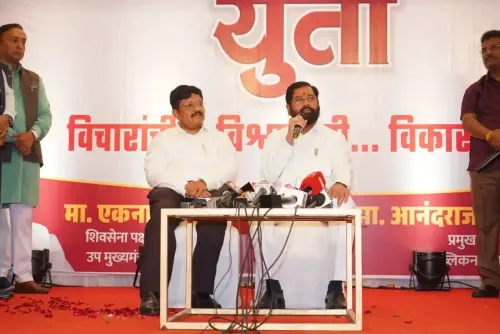
Maharashtra CM Devendra Fadnavis made the statement at a Mumbai press conference on June 21, 2026 , alongside Eknath Shinde .
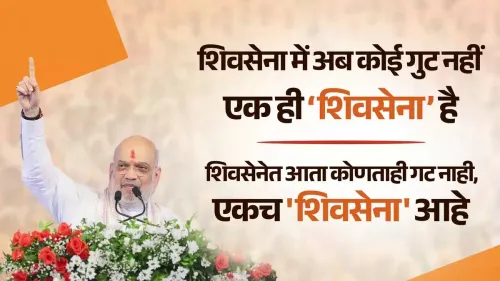
Fadnavis declared Shiv Sena is 'the thought of Hinduhridaysamrat Balasaheb Thackeray ', not merely a political party.
The remarks were delivered in both Marathi and Hindi , signalling a broad electoral appeal.
Shiv Sena was founded by Balasaheb Thackeray in 1966 , combining Marathi regionalism with Hindu nationalist ideology.
The 2022 split led by Shinde created two rival factions, both contesting the party's name, symbol, and legacy.
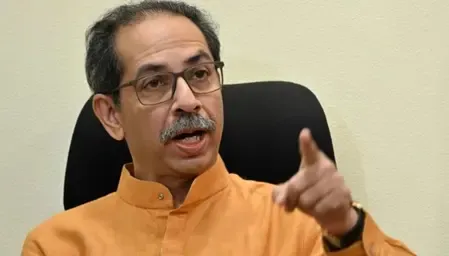
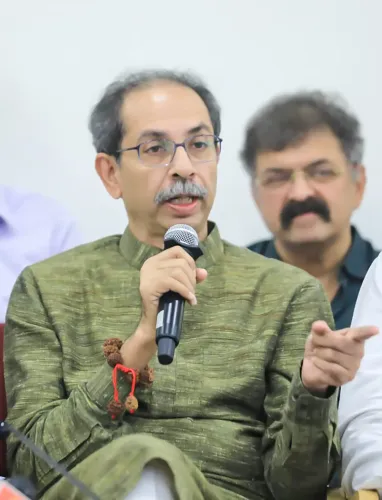
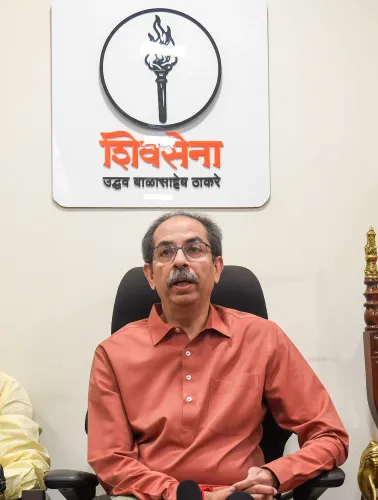
The BJP-Shinde alliance's invocation of Thackeray's ideology is a direct counter to the rival Uddhav Thackeray faction's claims of authenticity.
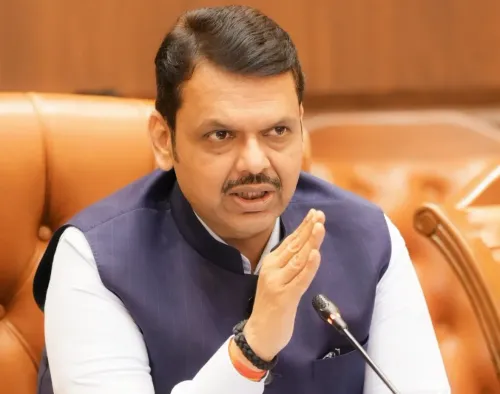
Maharashtra Chief Minister Devendra Fadnavis on Sunday, June 21, 2026, reaffirmed the ideological roots of Shiv Sena at a press conference in Mumbai, declaring that the party is not merely a political organisation but the living thought of its founder Hinduhridaysamrat Balasaheb Thackeray. The remarks, made alongside Eknath Shinde, were shared on Fadnavis's official X account and quickly drew attention in Maharashtra's politically charged landscape.
Context
Speaking at the Mumbai press conference, Fadnavis stated in Marathi and Hindi: 'Shiv Sena kewal paksh nahi, tar Hinduhridaysamrat Balasaheb Thackeray yanchha vichar aahe' — 'Shiv Sena is not just a party, but the thought of Hinduhridaysamrat Balasaheb Thackeray.' The bilingual framing — in both Marathi and Hindi — signals an appeal to a broad base across the state.
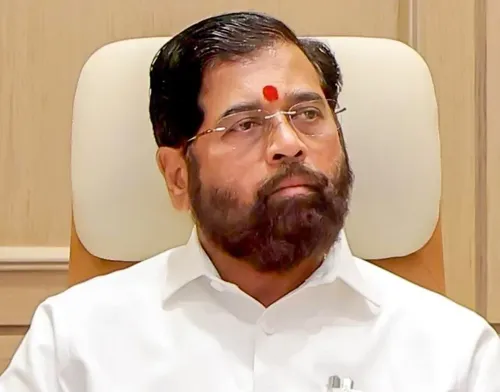
The statement was made in the presence of Eknath Shinde, the Shiv Sena leader whose 2022 rebellion against the then-Uddhav Thackeray-led government triggered one of Maharashtra's most consequential political crises. The Shinde faction subsequently allied with the BJP to form the current state government, with Fadnavis as Chief Minister.
Policy Backdrop
Balasaheb Thackeray founded Shiv Sena in 1966 as a movement combining Marathi regionalism with Hindu nationalist ideology. His honorific, Hinduhridaysamrat — meaning 'Emperor of Hindu Hearts' — reflects the ideological identity the party built over decades. Invoking this title remains a powerful act of political legitimation in Maharashtra.
Since the 2022 split, two factions have contested the right to the Shiv Sena name and its iconic bow-and-arrow symbol. The Election Commission ultimately recognised the Shinde faction as the legitimate Shiv Sena, a decision that continues to be disputed by the rival Uddhav Thackeray camp in courts and in public discourse.
Stakeholders and Impact
Shiv Sena workers aligned with the Shinde faction are the most immediate audience for such statements, which seek to reinforce organisational loyalty by anchoring the faction's identity in Bal Thackeray's founding vision. For Maharashtra voters — particularly in Mumbai and the Konkan belt — the invocation of Thackeray's legacy carries deep emotional and electoral weight.
The BJP-Shinde alliance's repeated emphasis on ideological continuity with Thackeray is a direct counter to the Uddhav camp's claim that it alone represents the original Shiv Sena. Each such public assertion is aimed at consolidating the alliance's hold on the Sena's traditional voter base ahead of future electoral contests.
What's Next
The legal and organisational battle between the two Shiv Sena factions over the party's name, symbol, and ideological inheritance is expected to intensify as Maharashtra moves toward the next assembly election cycle. Statements like the one made by Fadnavis at the June 21 press conference are likely to become more frequent as both sides work to cement their claims among workers and voters. The outcome of this contest of legitimacy will shape the political alignment of one of India's most electorally significant states.
Point of View
The BJP-Shinde alliance attempts to shift the legitimacy debate from legal proceedings to the realm of sentiment and history — terrain where the Thackeray name still commands decisive influence. The bilingual delivery in Marathi and Hindi also suggests an effort to broaden the alliance's ideological appeal beyond its core Marathi base. In Maharashtra's fractured polity, the battle over Thackeray's legacy is inseparable from the battle for votes.
NationPress
22 Jun 2026
Frequently Asked Questions
What did CM Devendra Fadnavis say about Shiv Sena at the Mumbai press conference?
Fadnavis declared that Shiv Sena is not merely a political party but the ideology and thought of its founder, Hinduhridaysamrat Balasaheb Thackeray. He made the statement in both Marathi and Hindi at a Mumbai press conference on June 21, 2026.
Who is Hinduhridaysamrat Balasaheb Thackeray?
Balasaheb Thackeray was the founder of Shiv Sena, established in 1966. His honorific 'Hinduhridaysamrat' means 'Emperor of Hindu Hearts' and reflects the Hindu nationalist and Marathi regionalist ideology he championed throughout his political career.
What caused the Shiv Sena split in 2022?
In 2022, Eknath Shinde led a rebel faction of Shiv Sena MLAs away from the Uddhav Thackeray-led government. The Shinde faction allied with the BJP to form a new state government, with Devendra Fadnavis eventually becoming Chief Minister.
Which Shiv Sena faction is recognised as the official party?
The Election Commission of India recognised the Eknath Shinde-led faction as the official Shiv Sena and awarded it the party's bow-and-arrow symbol. The rival Uddhav Thackeray faction has contested this decision.
Why do Maharashtra politicians frequently invoke Balasaheb Thackeray's legacy?
Thackeray's name carries deep emotional and electoral significance in Maharashtra, especially in Mumbai and the Konkan region. Invoking his legacy is a recurring strategy for both Shiv Sena factions to claim ideological authenticity and retain organisational loyalty among workers and voters.