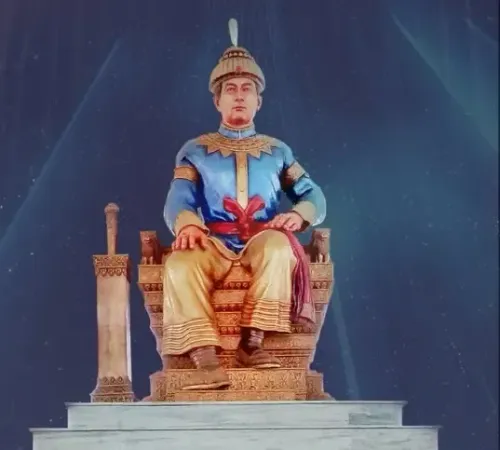
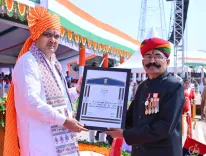
CM Himanta announces 800th anniversary of Sukapha's arrival, Gomdhar revolt bicentenary
Synopsis
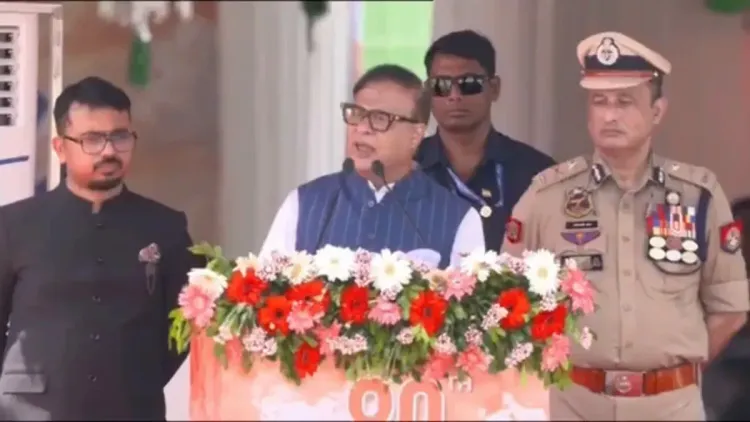
On Independence Day 2026, Assam CM Himanta Biswa Sarma announced public commemorations for the 800th anniversary of Ahom founder Sukapha's arrival and the bicentenary of anti-British rebel Gomdhar Konwar's revolt, both falling in 2028.
Key Takeaways
CM Himanta Biswa Sarma made the announcement in his Independence Day address on 15 August 2026 .
Swargadeo Chao Lung Sukapha arrived in Assam in 1228 AD , founding the Ahom kingdom; 2028 marks the 800th anniversary .
Gomdhar Konwar led an early anti-British uprising in Assam; 2028 marks the bicentenary of that revolt.
Both commemorations are planned with public collaboration , though specific programme details have not yet been announced.
The events place Assam's indigenous and anti-colonial history at the centre of the state's public calendar ahead of 2028.
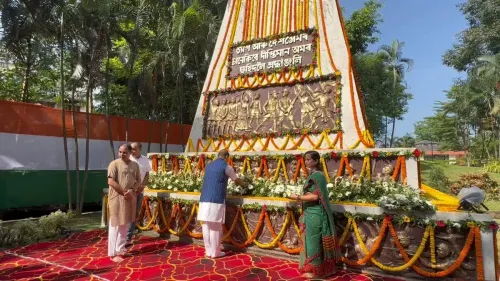
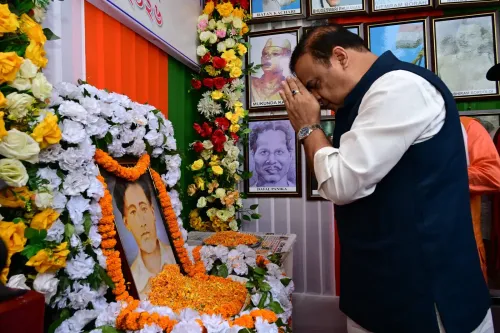
Two milestones from Assam's deep past — one nearly eight centuries old, the other two hundred years — are set to be brought to life through public commemoration, Chief Minister Himanta Biswa Sarma announced on Independence Day, 15 August 2026.
In his Independence Day address, CM Himanta Biswa Sarma announced plans to mark the 800th anniversary of Swargadeo Chao Lung Sukapha's arrival in Assam and the bicentenary of Gomdhar Konwar's anti-British revolt — both falling in 2028 — with broad public collaboration.
Who was Chao Lung Sukapha — and why 2028 matters
Swargadeo Chao Lung Sukapha descended from the Patkai hills into the Brahmaputra valley in 1228 AD, founding the Ahom kingdom that would hold Assam for nearly six centuries. His arrival is the foundational moment of Assamese statehood — the point from which the region's distinct political and cultural identity is traced. Eight hundred years later, the anniversary carries weight far beyond ceremonial calendar-marking. The Ahom kingdom's longevity — and its legendary resistance to Mughal expansion — has long been a source of regional pride. Commemorating Sukapha's arrival in 2028 places that pride at the centre of Assam's public calendar.Gomdhar Konwar and the early flame of resistance
Gomdhar Konwar led one of the earliest organised uprisings against British rule in Assam in the early 19th century. His revolt predates the better-known 1857 uprising and represents a chapter of anti-colonial resistance that has received limited national attention. The bicentenary in 2028 offers Assam an opportunity to inscribe that chapter more firmly into the broader Indian freedom narrative — on its own terms. Assam governments have periodically used state events to foreground indigenous rulers and regional resistance figures, reinforcing a local historical identity that sits alongside — and sometimes in dialogue with — the national story. Round-number anniversaries, in particular, tend to catalyse public outreach and cultural programming.Public collaboration at the core
The CM's announcement emphasised public collaboration — signalling that these commemorations are intended to extend beyond official ceremonies. What form that collaboration takes — community consultations, cultural festivals, academic programmes, or dedicated budget provisions — remains to be shaped. Organising committees and state budget allocations in the run-up to 2028 will be the first concrete indicators of scale and ambition. For the Ahom community and Assam's broader population, the announcement on Independence Day was a deliberate framing: regional memory and national identity, held in the same breath. Two anniversaries, one address, and a state signalling it intends to show up for its own history — the real test begins when the committees are formed and the funds are allocated.Point of View
Not just state-managed pageantry. For the Ahom community in particular, official recognition of Sukapha's foundational role carries symbolic weight that reinforces BJP's outreach to indigenous constituencies in the Northeast. The real measure of political seriousness will come when budget allocations and organising structures are announced.
NationPress
16 Aug 2026
Frequently Asked Questions
Who was Swargadeo Chao Lung Sukapha?
Swargadeo Chao Lung Sukapha was the 13th-century founder of the Ahom kingdom in Assam. He arrived in the Brahmaputra valley in 1228 AD from the Patkai hills and established a dynasty that ruled Assam for nearly six centuries.
Who was Gomdhar Konwar and why is his revolt significant?
Gomdhar Konwar led one of Assam's earliest organised uprisings against British colonial rule in the early 19th century, predating the 1857 revolt. His rebellion represents a chapter of regional anti-colonial resistance that has received limited national recognition.
When will the commemorations for Sukapha and Gomdhar Konwar take place?
Both the 800th anniversary of Sukapha's arrival and the bicentenary of Gomdhar Konwar's revolt fall in 2028. Specific programme details and timelines had not been announced as of CM Sarma's Independence Day address on 15 August 2026.
What did CM Himanta Biswa Sarma announce on Independence Day 2026?
CM Himanta Biswa Sarma announced plans to commemorate the 800th anniversary of Swargadeo Chao Lung Sukapha's arrival in Assam and the bicentenary of Gomdhar Konwar's anti-British revolt, with an emphasis on public collaboration.
What is the significance of the Ahom kingdom in Assam's history?
The Ahom kingdom, founded by Sukapha in 1228, ruled Assam for nearly 600 years and is celebrated for successfully resisting Mughal expansion. It forms the bedrock of Assamese cultural and political identity.