CM Himanta Thanks Supporters of Assam Flood Relief
Synopsis
Assam Chief Minister Himanta Biswa Sarma on 9 August 2026 thanked unnamed individuals and organisations for their sympathy and contributions to flood relief in Assam, signalling coordinated aid operations during the state's annual monsoon flooding crisis.
Key Takeaways
CM Himanta Biswa Sarma posted a public thank-you on 9 August 2026 for contributions to Assam flood relief .
The post was written in Hindi, expressing gratitude for both sympathy and material contributions to relief work.
Assam faces annual flooding from the Brahmaputra river system , one of the world's largest, during the monsoon season.
State flood response typically involves NDRF deployment, central government assistance, and civil society coordination.
CM Sarma has served as Chief Minister since 2021 and is also convenor of the North-East Democratic Alliance (NEDA) .
Post-flood focus will shift to embankment repair and relief packages for displaced families once waters recede.
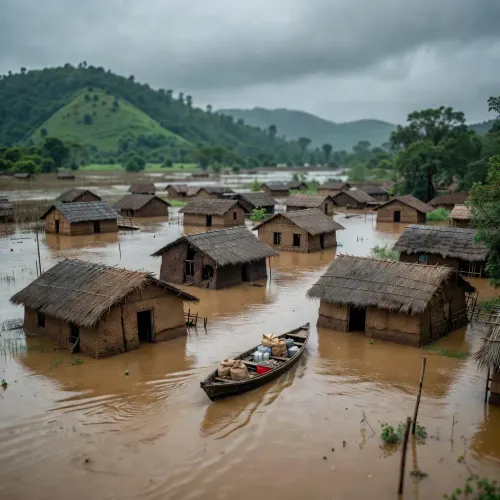
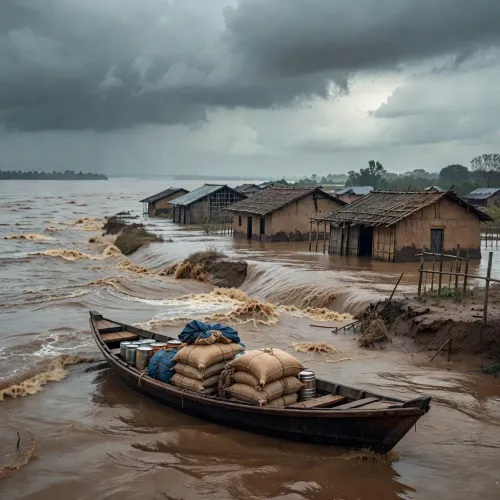
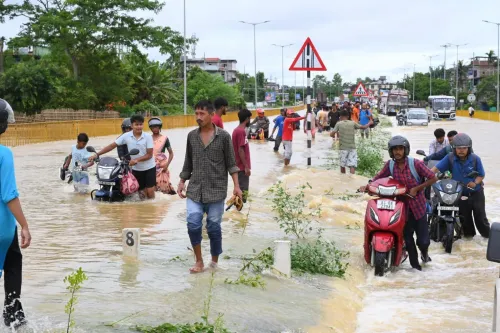
Every monsoon, Assam braces for what has become an almost inevitable reckoning — the Brahmaputra and its tributaries swelling beyond their banks, displacing hundreds of thousands and swallowing entire villages. This August 2026, Assam Chief Minister Himanta Biswa Sarma paused amid the crisis to publicly acknowledge those who have stood with the state's flood-affected communities.
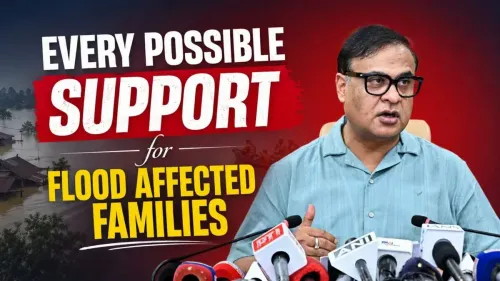
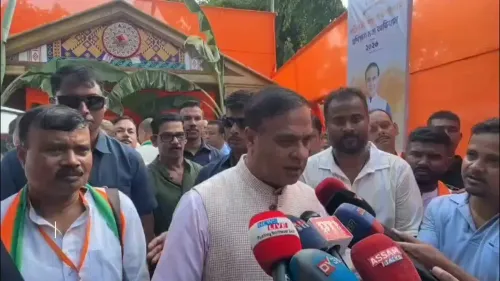
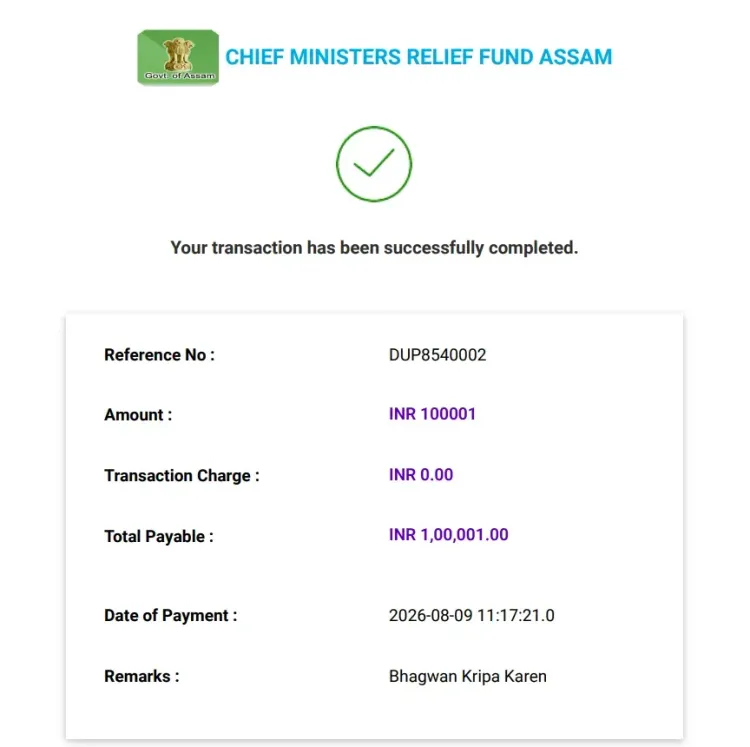
In a post on Sunday, 9 August 2026, CM Sarma expressed gratitude in Hindi: 'असम की बाढ़ पीड़ितों के प्रति आपकी संवेदनाएं और राहत कार्य में योगदान के लिए आभार' — 'Thank you for your sympathy towards the flood victims of Assam and for your contribution to the relief efforts.' The message, brief but pointed, signals an active, coordinated relief operation on the ground.
Assam's Perennial Monsoon Crisis
Flooding is not an anomaly in Assam — it is a calendar event. The Brahmaputra river system, one of the world's largest, drains the eastern Himalayas and the Meghalaya plateau, funnelling enormous monsoon volumes through a narrow floodplain. State governments have managed embankment works and evacuation logistics for decades, supplemented by central assistance under India's disaster management framework.
Peak flood periods typically trigger a chain: state-level emergency declarations, deployment of NDRF teams, appeals to the Centre, and — increasingly — outreach to civil society and partner governments for material aid. A public thank-you from the Chief Minister marks a recognisable moment in that chain: relief is flowing, and the acknowledgement is both diplomatic and political.
What the Gratitude Signals on the Ground
CM Sarma, who has served as Chief Minister of Assam since 2021 and also convenors the North-East Democratic Alliance (NEDA), has consistently positioned himself as the region's most visible crisis manager. A public expression of thanks — addressed to unnamed contributors — suggests that rescue, evacuation, and material aid operations are at a stage where coordination is working and the state is in a position to acknowledge support rather than only seek it.
As floodwaters recede, attention will shift to embankment repair timelines and additional relief packages for displaced families — the slower, less visible work that determines whether communities can rebuild before the next monsoon cycle begins.
In Assam, the flood does not end when the water retreats. The real test is what the state does next.
Point of View
Signalling to constituents that help has arrived and the state is in control. For Sarma, who has built his political identity around decisive governance in the northeast, the post reinforces his role as the region's primary interlocutor with both New Delhi and external partners. It also quietly frames the flood response as a collective success, distributing credit while keeping the Chief Minister at the centre of the narrative. The harder political test comes after the cameras leave: whether relief reaches the most vulnerable districts, and whether embankment investments reduce the damage cycle before 2027.
NationPress
9 Aug 2026
Frequently Asked Questions
Why does Assam flood every year?
Assam floods annually because the Brahmaputra river and its tributaries drain massive monsoon rainfall from the eastern Himalayas and Meghalaya plateau through a narrow floodplain, regularly breaching embankments and inundating low-lying districts.
What did Himanta Biswa Sarma say about Assam floods?
On 9 August 2026 , CM Himanta Biswa Sarma posted a message in Hindi thanking unnamed individuals and organisations for their sympathy towards flood victims and their contributions to relief efforts in Assam .
Who is Himanta Biswa Sarma?
Himanta Biswa Sarma is the Chief Minister of Assam since 2021 , a senior BJP leader, and the convenor of the North-East Democratic Alliance (NEDA) , a coalition of BJP-aligned parties in northeast India.
How does the Assam government respond to floods?
The Assam government typically responds with emergency declarations, deployment of NDRF teams, evacuation of affected residents, appeals for central government assistance, and coordination with civil society for material relief — followed by embankment repair once waters recede.
What happens in Assam after the flood waters recede?
After flooding subsides, the focus shifts to distributing relief packages to displaced families, assessing damage to embankments and infrastructure, and planning repair works — a cycle that repeats each monsoon season in Assam .