CM Himanta Welcomes First MBA Batch at IIM Guwahati
Synopsis
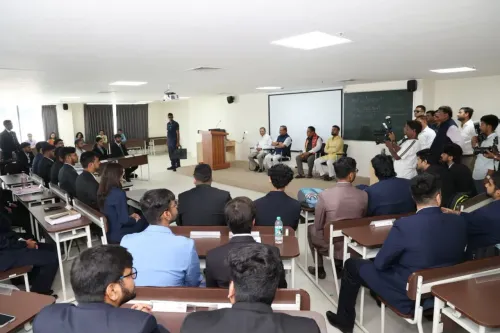
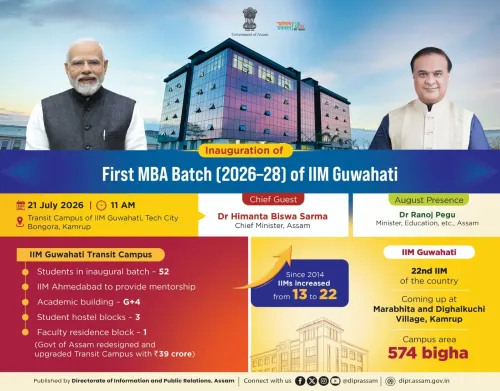
Chief Minister Himanta Biswa Sarma welcomed the first MBA batch of IIM Guwahati on 21 July 2026, marking the operationalisation of India's 22nd IIM and the second in the Northeast. The development advances Assam's ambition to become a premier higher education hub for the region.
Key Takeaways
IIM Guwahati has inducted its first MBA batch, becoming an operational institution of management education.
It is the 22nd IIM in India and only the second in the entire Northeast , after IIM Shillong (est.
Himanta Biswa Sarma personally attended the welcome event on 21 July 2026 , signalling strong state government backing.
The institute is part of India's policy to expand the IIM network geographically and reduce the Northeast's under-representation in premier higher education.
Early milestones to watch include permanent campus development, additional academic programmes, and first-batch placement outcomes.
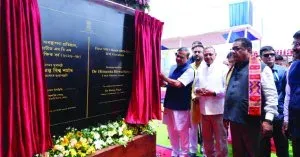
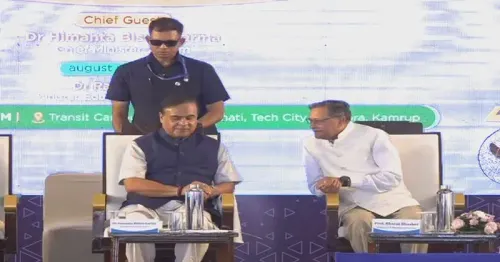
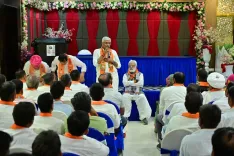
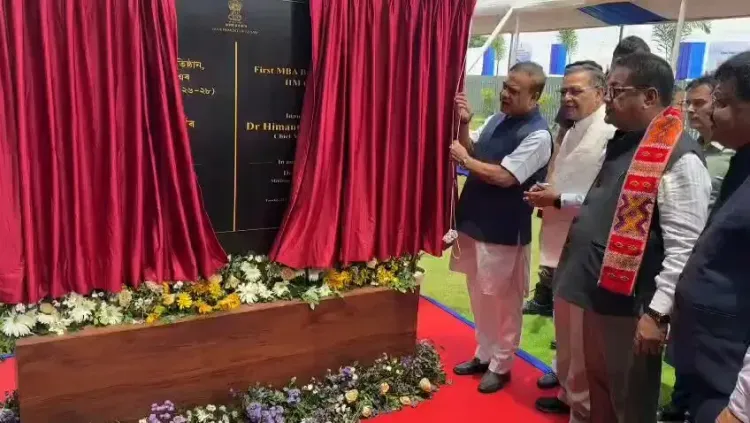
The Chief Minister's Office of Assam announced on Tuesday, 21 July 2026 that Chief Minister Dr. Himanta Biswa Sarma welcomed the first MBA batch of IIM Guwahati, marking what the office described as a major milestone for higher education in the state. The institute is the 22nd IIM in India and the second in the North East, following IIM Shillong in Meghalaya.
Context
The induction of the first MBA cohort at IIM Guwahati formally activates the institute as a functioning centre of management education. CM Sarma attended the welcome event, lending the state government's visible backing to the institution's launch. The Chief Minister's Office noted that the institute will 'create new opportunities for young minds and further strengthen Assam's position as a leading centre for higher education.'
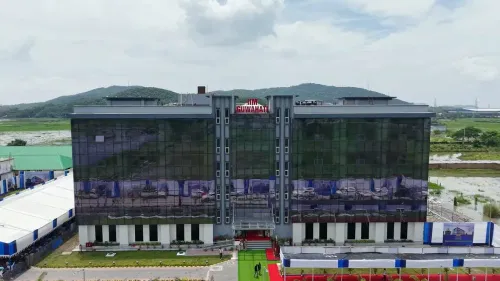
The development signals a concrete step forward after the institute's establishment was announced as part of India's phased expansion of the IIM network. The first batch's induction moves IIM Guwahati from a planned entity to an operational one.
Policy Backdrop
India's IIM expansion drive gathered pace between 2015 and 2016, when the central government announced multiple new institutes to widen the geographic spread of elite management education. The Northeast had been served solely by IIM Shillong, established in 2007, for nearly two decades before IIM Guwahati was added to the network.
The broader policy rationale has been to reduce the historical under-representation of North East India — a region of eight states — in the country's premier higher-education infrastructure. Placing the 22nd IIM in Guwahati, the region's largest city and a growing commercial hub, aligns with this decentralisation objective. Assam under CM Sarma has actively sought to attract central institutions as part of its positioning as the gateway to the Northeast.
Stakeholders and Impact
The most immediate beneficiaries are the students of the inaugural MBA batch, who gain access to an IIM-branded degree within the Northeast, reducing the need to relocate to other parts of India for equivalent programmes. Local industry and businesses in Assam and neighbouring states stand to gain a pipeline of management graduates trained closer to the regional economy.
For Assam's higher education ecosystem, the institute adds institutional weight alongside existing central universities and technical institutes. State governments across the Northeast have long argued that the deficit of premier national institutions constrains local talent and economic development, making IIM Guwahati's operationalisation a significant regional event.
What's Next
Attention will now turn to the rollout of additional academic programmes beyond the flagship MBA, the pace of permanent campus infrastructure completion, and the placement outcomes of the first graduating batch. These early indicators will shape the institute's reputation and its ability to attract competitive applicants in subsequent years.
The operationalisation of IIM Guwahati could also encourage further investment in higher education infrastructure across North East India, reinforcing the region's gradual emergence as a destination rather than a source of outward student migration.
Point of View
The event reinforces a governance narrative centred on attracting central institutions to Assam, building on a broader pattern of positioning the state as the Northeast's institutional capital. The timing also carries political salience: visible federal investment in education strengthens the argument that Assam's development trajectory is on an upward curve. Whether the institute can deliver strong placement outcomes and retain talent within the region will ultimately determine how transformative this milestone proves to be.
NationPress
20 Oct 2026
Frequently Asked Questions
What is IIM Guwahati and when did it start?
IIM Guwahati is the 22nd Indian Institute of Management in India and the second in the Northeast. It inducted its first MBA batch on 21 July 2026, marking the start of its academic operations.
Which was the first IIM in the Northeast?
IIM Shillong in Meghalaya was the first IIM in the Northeast, established in 2007. IIM Guwahati is the second.
Why is IIM Guwahati significant for Assam?
IIM Guwahati adds a premier national management institution to Assam, reducing the need for local students to migrate to other states for elite MBA programmes and supporting the state's ambition to become a higher education hub for the Northeast.
Who welcomed the first batch of IIM Guwahati?
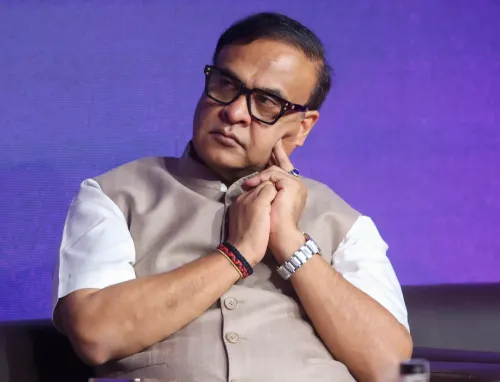
Assam Chief Minister Dr. Himanta Biswa Sarma welcomed the first MBA batch at IIM Guwahati on 21 July 2026.
How many IIMs are there in India as of 2026?
As of the establishment of IIM Guwahati, India has 22 Indian Institutes of Management across the country.