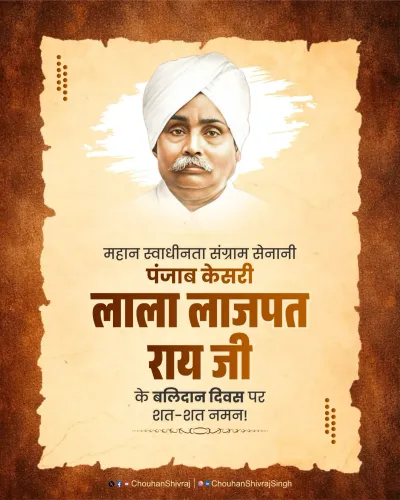
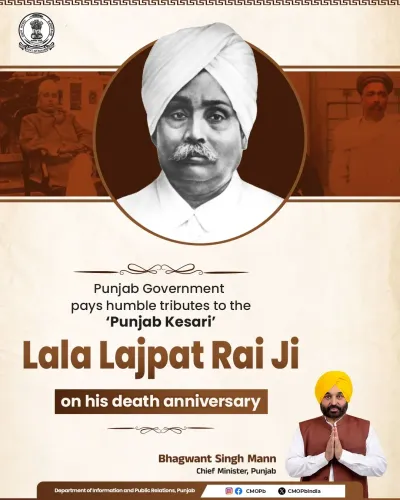
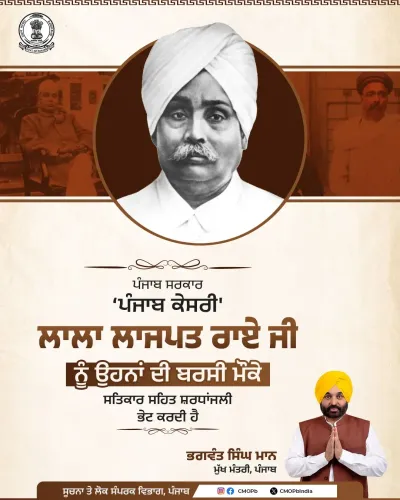
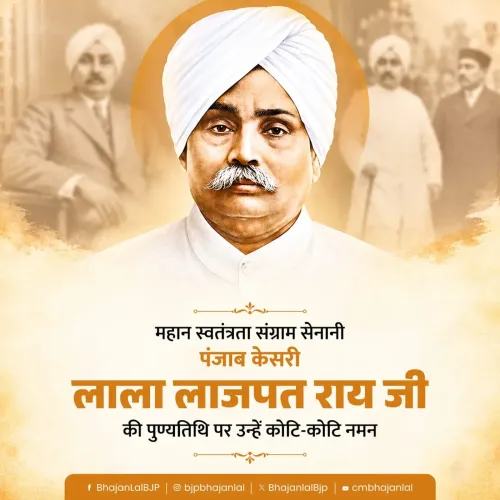
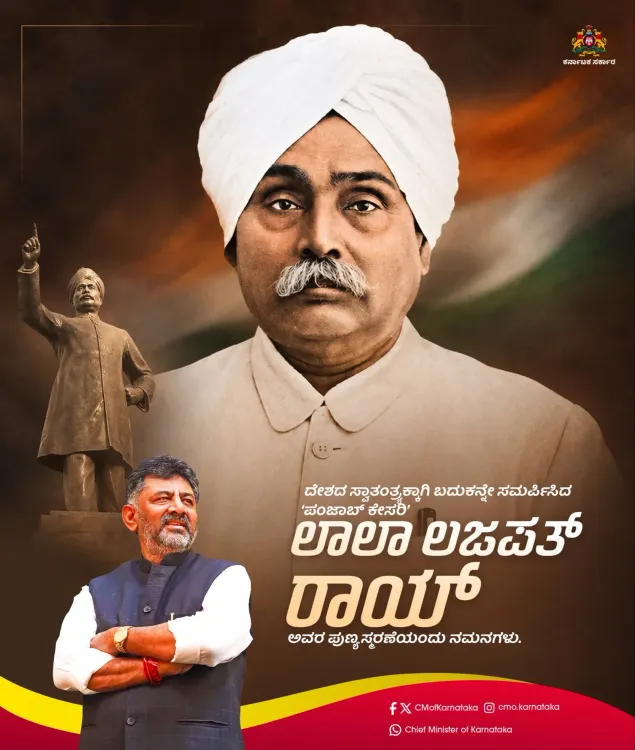
CM Karnataka Pays Tribute to Lala Lajpat Rai on Death Anniversary
Synopsis
The Chief Minister's Office of Karnataka honoured Lala Lajpat Rai on his death anniversary, saluting the 'Punjab Kesari' as a Swadeshi champion whose patriotism continues to inspire India nearly a century after his death.
Key Takeaways
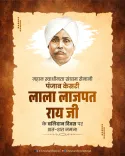
The Chief Minister's Office of Karnataka posted a tribute to Lala Lajpat Rai on 17 November 2026 , his death anniversary.
Rai, known as 'Punjab Kesari' (Lion of Punjab), was a key figure in the Lal-Bal-Pal nationalist triumvirate.
He was a leading voice of the Swadeshi movement and advocated for a national education system free of colonial control.
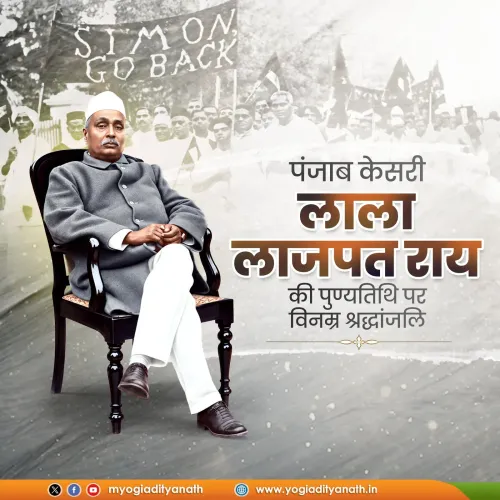
Rai died on 17 November 1928 from injuries sustained during a police lathi charge at an anti- Simon Commission protest in Lahore .
His death directly inspired the revolutionary actions of Bhagat Singh , Sukhdev , and Rajguru .
The Karnataka CMO's tribute in Kannada underscores Rai's status as a pan-Indian national hero honoured across all regions.
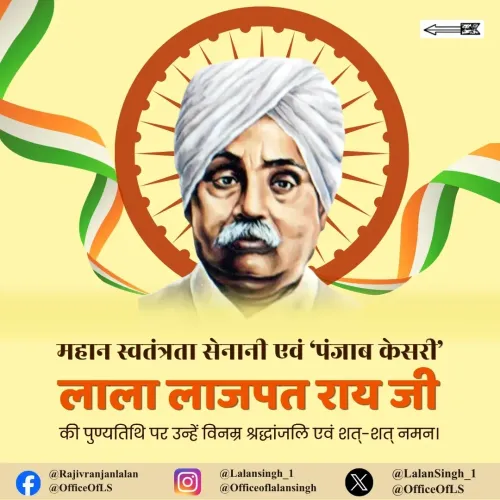
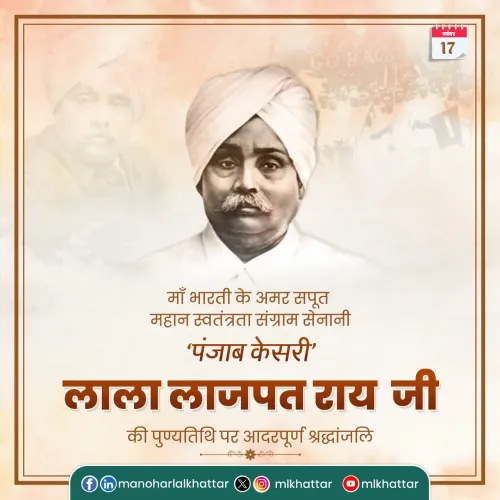
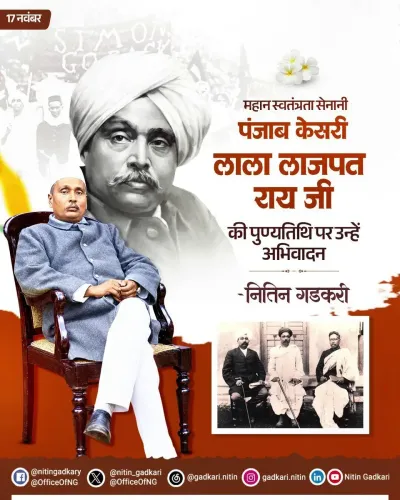
On the 97th death anniversary of Lala Lajpat Rai, the Chief Minister's Office of Karnataka paid solemn homage to one of India's most fearless freedom fighters — a man whose very name became synonymous with defiance against empire.
Posting in Kannada on 17 November 2026, the Chief Minister's Office honoured Rai as 'Punjab Kesari' — the Lion of Punjab — saluting his contributions to the Swadeshi movement and national education, and affirming that his patriotism remains 'an eternal inspiration for Indians.'
Who was Lala Lajpat Rai?
Born on 28 January 1865 in present-day Punjab, Lala Lajpat Rai rose to become one of the triumvirate known as Lal-Bal-Pal — alongside Bal Gangadhar Tilak and Bipin Chandra Pal — the most militant face of early Indian nationalism. He was an ardent champion of the Swadeshi movement, which urged Indians to boycott British goods and revive indigenous industry, and pushed hard for a system of national education free from colonial influence.
The Lathi Charge That Shook a Nation
Rai's death on 17 November 1928 was not quiet. He had led a protest march in Lahore against the all-British Simon Commission, which had been formed to recommend constitutional reforms for India without a single Indian member. British police superintendent James A. Scott ordered a baton charge on the demonstrators. Rai was struck repeatedly on the chest. Addressing the crowd after the assault, he declared that every blow landed on him was a nail in the coffin of British imperialism in India. He died from his injuries barely two weeks later.
His death galvanised a generation. Bhagat Singh, Sukhdev, and Rajguru subsequently carried out the killing of British officer J.P. Saunders in Lahore as an act of revenge — an event that would cascade into one of the most dramatic episodes of the independence struggle.
Why State Tributes Still Matter
It is no accident that Karnataka's Chief Minister's Office chose to post this tribute in Kannada. Rai's legacy is pan-Indian: a northern freedom fighter memorialised by a southern state government, in the language of that state's people, signals the shared ownership of a national inheritance. Indian state governments routinely mark these anniversaries not merely as calendar obligations but as acts of civic memory — reminding citizens that the republic they inhabit was paid for in blood and principle.
Lala Lajpat Rai's courage under a colonial baton remains one of the most viscerally human images in India's freedom struggle. Nearly a century later, the Lion of Punjab still roars.
Point of View
Signalling that the independence struggle belongs to every Indian, not just to those whose geography or language aligned with that of the martyr. As India navigates increasingly fractious politics, these annual tributes serve as low-key but persistent reminders of the republic's founding moral contract.
NationPress
17 Nov 2026
Frequently Asked Questions
When did Lala Lajpat Rai die and why?
Lala Lajpat Rai died on 17 November 1928 from injuries sustained during a police baton charge in Lahore while he led protests against the all-British Simon Commission. He had been struck repeatedly on the chest during the assault and succumbed to his injuries within days.
Why is Lala Lajpat Rai called Punjab Kesari?
Lala Lajpat Rai is called Punjab Kesari , meaning 'Lion of Punjab,' because of his fierce and fearless leadership of the independence movement in the Punjab region and his uncompromising stand against British colonial rule.
What was Lala Lajpat Rai's role in the Swadeshi movement?
Lala Lajpat Rai was a leading champion of the Swadeshi movement , which called on Indians to boycott British-manufactured goods and support indigenous industry. He also pushed strongly for a national education system independent of colonial influence.
Who were Lal, Bal, and Pal in India's freedom struggle?
Lal-Bal-Pal refers to the trio of Lala Lajpat Rai, Bal Gangadhar Tilak, and Bipin Chandra Pal — three of the most prominent and radical nationalist leaders of early-20th-century India who collectively advocated aggressive opposition to British rule.
Why did Bhagat Singh target British officer Saunders?
Bhagat Singh, Sukhdev, and Rajguru killed British officer J.P. Saunders in Lahore as an act of revenge for the police baton charge that fatally injured Lala Lajpat Rai during the anti-Simon Commission protest of 1928.