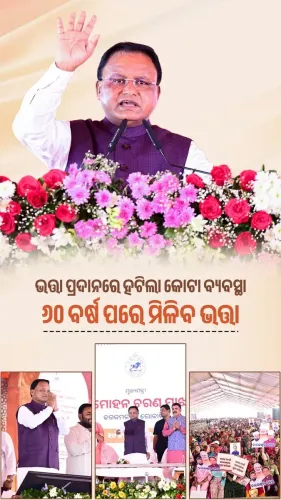
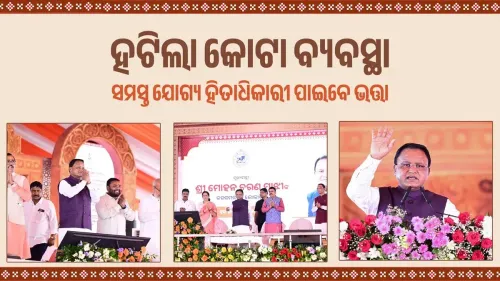
CM Majhi adds 5 lakh beneficiaries, scraps pension quota in Odisha
Synopsis
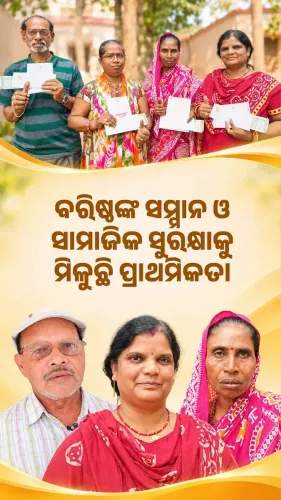
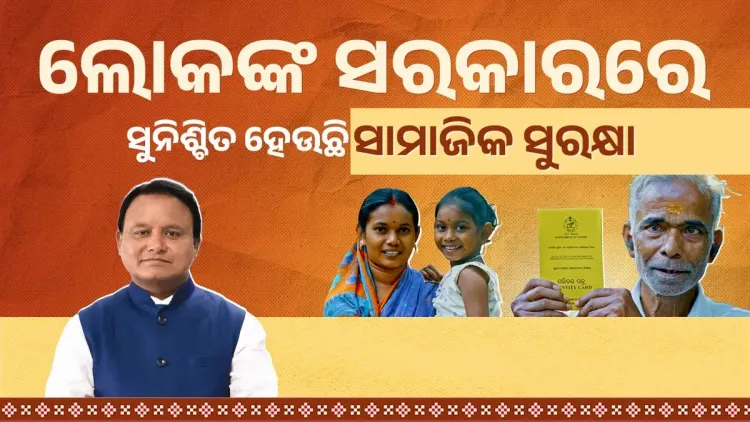
Odisha Chief Minister Mohan Charan Majhi announced that the Madhubabu Pension Yojana has added over 5 lakh new beneficiaries while the pension quota system — which capped district-wise enrollment — has been abolished, framing social security as a right for every eligible citizen.
Key Takeaways
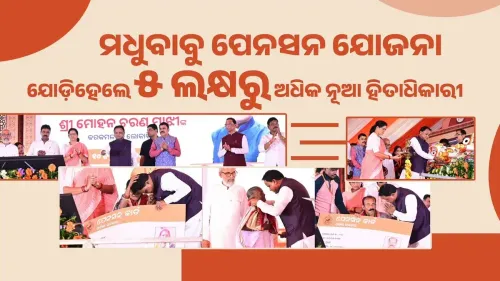
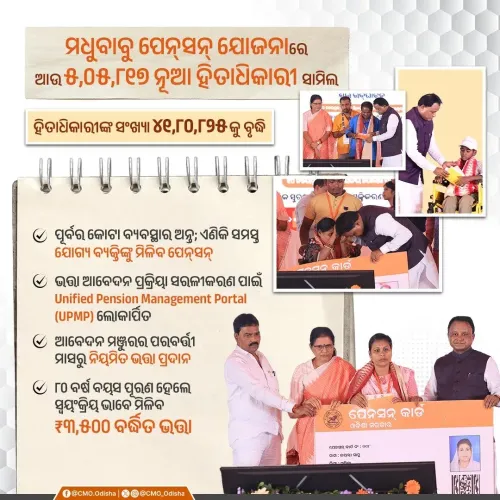
Over 5 lakh new beneficiaries have been enrolled in the Madhubabu Pension Yojana , Odisha's main social pension scheme.
The pension quota system — which imposed district-level caps on the number of eligible recipients — has been abolished.
The scheme covers elderly persons, widows, and persons with disabilities across Odisha.
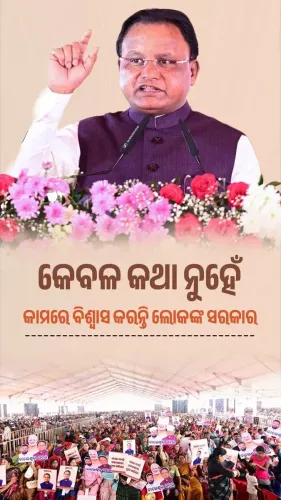
CM Mohan Charan Majhi framed the expansion as a rights-based entitlement, not a discretionary benefit.
The announcement fulfils a pre-election welfare commitment made when BJP formed the Odisha government in June 2024 .
State budget allocations and district-wise rollout details will determine the long-term reach of the expanded scheme.
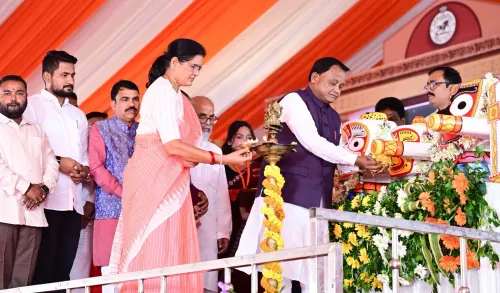
A pension scheme is only as strong as its reach — and Odisha Chief Minister Mohan Charan Majhi has just moved to widen that reach dramatically. On Thursday, 19 November 2026, the Chief Minister announced that the Madhubabu Pension Yojana has enrolled over 5 lakh new beneficiaries and, in a structural shift, abolished the quota system that had long capped who could receive the pension allowance.
Posting in both Odia and English, Majhi framed the changes as a matter of rights, not charity. 'ସାମାଜିକ ସୁରକ୍ଷା କେବଳ ସହାୟତା ନୁହେଁ, ଏହା ପ୍ରତ୍ୟେକ ଯୋଗ୍ୟ ନାଗରିକଙ୍କ ଅଧିକାର' — 'Social security is not merely assistance, it is the right of every eligible citizen' — he declared, before adding: 'With over 5 lakh new beneficiaries added and the pension quota system abolished, we are committed to ensuring dignity and security for every eligible beneficiary.'
What the quota system meant — and why scrapping it matters
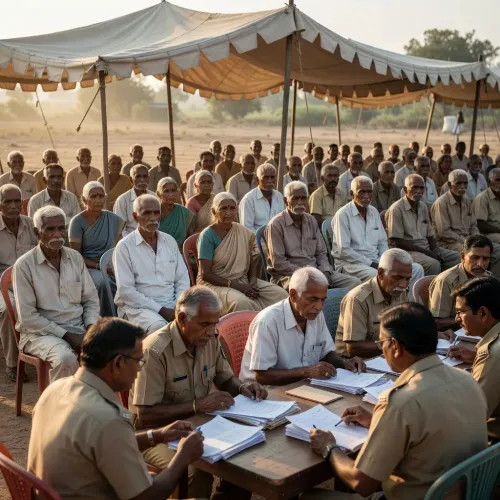
The Madhubabu Pension Yojana has been Odisha's primary vehicle for delivering monthly social assistance to elderly persons, widows, and persons with disabilities for years. But a quota mechanism embedded in the scheme meant that districts and blocks had fixed ceilings on the number of beneficiaries they could enroll — regardless of how many eligible residents actually lived there.
That cap created a waiting list by design. Eligible citizens who met every criterion could still be shut out simply because their district had exhausted its quota. The abolition of this system removes that artificial ceiling, shifting the scheme from a supply-capped transfer to a demand-driven entitlement: qualify, and you receive.
A campaign promise lands — and the hashtags say so
The BJP formed the Odisha government in June 2024 with a package of welfare commitments that included expanding social pension coverage. The post's hashtags — #କଥାଦେଇକଥାରଖିଲେ ('a promise made, a promise kept') and #ଭତ୍ତାପାଇଁଅପେକ୍ଷାରଯୁଗଶେଷ ('the era of waiting for allowance is over') — are unambiguous in positioning the move as the fulfilment of a pre-election pledge. #PromiseDelivered and #PensionForAll reinforce the electoral-accountability framing the government is building around this announcement.
Across Indian states, there has been a gradual but visible shift from quota-bound pension disbursement toward rights-based eligibility — a model that ties receipt to verified need rather than administrative headcount limits. Odisha's move fits that broader arc, though the state budget allocations needed to fund the expanded rolls and the district-level rollout mechanics will be the real test of how durable the expansion proves.
Over 5 lakh new names are now on the register. For Odisha's senior citizens, widows, and persons with disabilities who spent years on a waiting list, the era of the quota is — officially — over.
Point of View
The Majhi government is consciously borrowing the language of social-justice movements to insulate the policy from future rollbacks — rights are harder to revoke than schemes. The abolition of the quota mechanism is the structurally significant move here: it converts a supply-constrained transfer into a demand-driven entitlement, which raises the fiscal baseline permanently. Politically, the hashtag strategy ties the announcement tightly to the BJP's 2024 campaign promises in Odisha, building an accountability narrative that could prove valuable ahead of future electoral cycles. The outstanding question is whether the state exchequer can absorb the expanded rolls without compromising the monthly disbursement amounts that existing beneficiaries already receive.
NationPress
19 Nov 2026
Frequently Asked Questions
What is the Madhubabu Pension Yojana?
The Madhubabu Pension Yojana is Odisha's primary state social pension scheme, providing monthly financial assistance to elderly persons, widows, and persons with disabilities who meet eligibility criteria.
What changes were announced to the Madhubabu Pension Yojana in November 2026?
Chief Minister Mohan Charan Majhi announced that over 5 lakh new beneficiaries have been enrolled and the quota system that capped district-wise enrollment has been abolished, shifting the scheme toward universal rights-based eligibility.
What was the pension quota system in Odisha?
The pension quota system imposed fixed ceilings on the number of beneficiaries each district or administrative block could enroll, meaning eligible citizens could be excluded simply because the local quota was full.
Who benefits from the Madhubabu Pension Yojana expansion?
Senior citizens, widows, and persons with disabilities across Odisha who were previously on waiting lists due to quota restrictions are the primary beneficiaries of the expansion.
When did the BJP come to power in Odisha?
The BJP formed the Odisha state government in June 2024, with Mohan Charan Majhi taking oath as Chief Minister. The pension scheme expansion was part of the party's pre-election welfare commitments.