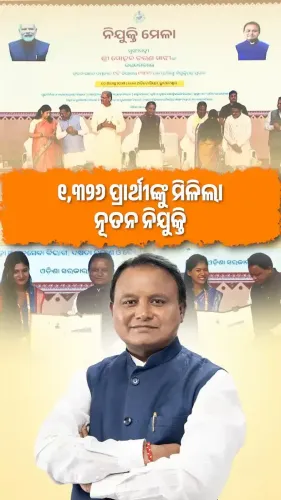
CM Majhi hands appointment letters to 2,067 at Odisha Nijukti Mela
Synopsis
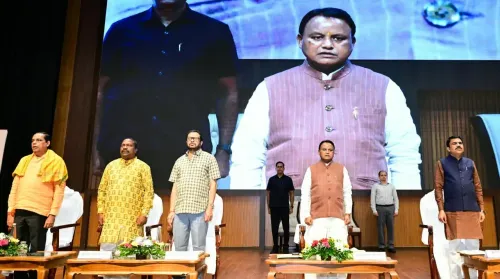
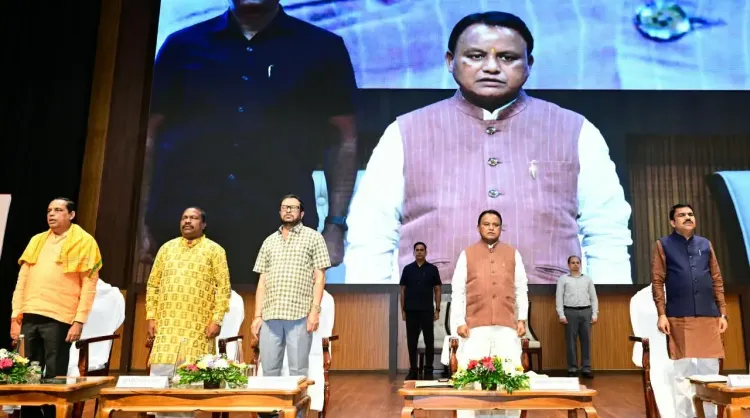
Chief Minister Mohan Charan Majhi handed appointment letters to 2,067 ST/SC candidates at the 18th state-level Nijukti Mela in Bhubaneswar on 1 November 2026, pushing total government appointments since June 2024 past 48,600. He urged new teachers to treat their role as a noble social responsibility.
Key Takeaways
2,067 candidates from the ST & SC Development Department received government appointment letters at the 18th Nijukti Mela in Bhubaneswar on 1 November 2026 .
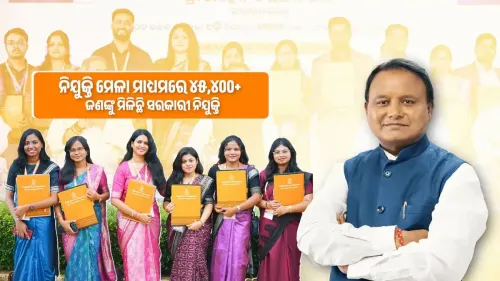
The state government has filled over 48,600 government posts through a transparent recruitment drive launched in June 2024 .
CM Mohan Charan Majhi personally presided over the event as the chief guest, underscoring the administration's accountability commitment.
Majhi called teaching a 'noble social responsibility' and urged recruits to serve as disciplined mentors for holistic student development.
The Nijukti Mela model targets tribal and Scheduled Caste communities who remain underrepresented in Odisha's public-sector workforce.
Further editions of the mela are expected as the government continues to clear long-pending vacancy backlogs across departments.
More than two thousand young men and women from Odisha's Scheduled Tribe and Scheduled Caste communities walked out of Bhubaneswar on Sunday, 1 November 2026, holding government appointment letters — a document that, for many, represents the first formal employment in their family. Chief Minister Mohan Charan Majhi personally distributed those letters at the 18th State-Level Nijukti Mela, organised by the state's ST & SC Development Department.
The Chief Minister's Office confirmed that 2,067 newly inducted candidates received appointment letters at the fair. Crucially, Sunday's event is not a one-off: it forms part of a rolling transparent recruitment drive launched in June 2024, through which the state government has now filled over 48,600 government posts — a figure that spans departments across the administration.
What the 18th Nijukti Mela means for tribal and SC hiring
The ST & SC Development Department sits at the heart of Odisha's welfare architecture for its large tribal and Dalit population. By channelling a significant share of this recruitment drive through that department, the state government is signalling a deliberate targeting of communities historically underrepresented in public-sector rolls. Teaching and frontline welfare posts dominate the intake at these melas, putting new employees directly inside classrooms and communities.
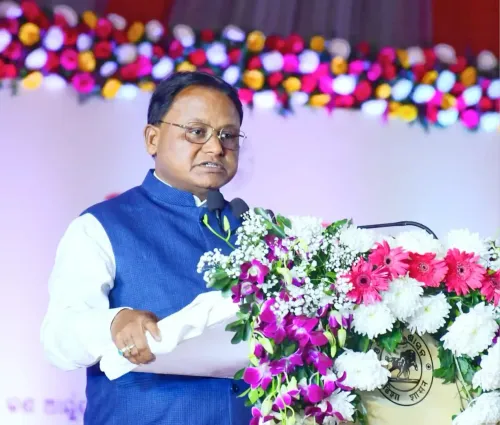
CM Majhi used the occasion to frame the appointments in moral terms, not merely administrative ones. 'ଶିକ୍ଷାଦାନ କେବଳ ଏକ ବୃତ୍ତି ନୁହେଁ' — 'Teaching is not merely a profession' — he told the gathering, calling it a 'noble social responsibility.' He urged the recruits to become ideal mentors and to uphold discipline, punctuality, and unwavering dedication to public service.
The transparent recruitment drive since June 2024
When the BJP formed the Odisha government after the 2024 assembly elections — ending a long run for the previous administration — one of CM Majhi's early commitments was to clear a backlog of unfilled government vacancies through a centralised, transparent process. The 48,600-plus appointments since June 2024 represent the running total of that push across departments, with the Nijukti Mela format acting as a public, verifiable checkpoint that tracks progress and keeps the process in plain sight.
The mela model itself is not new to Odisha — periodic state-level job fairs have long been used to accelerate hiring in education and social sectors — but the scale and frequency under the current administration have been notably elevated. Each successive edition adds both numbers and symbolic weight: a sitting Chief Minister handing a letter directly to a tribal or Dalit graduate is a choreographed demonstration of accountability.
What comes next for Odisha's recruitment pipeline
With the 18th edition complete, all eyes will turn to the pace of subsequent Nijukti Melas and whether the cumulative total continues toward fresh milestones. The education and tribal welfare pipeline — teachers, hostel superintendents, welfare extension officers — remains the most visible front of this effort. If the current tempo holds, the government's stated goal of filling long-pending vacancies across the board will face a real test in the months ahead.
For the 2,067 appointees walking out of the fair today, the larger policy picture matters less than one simple fact: the letter in their hands is real.
Point of View
Which staked its credibility on cleaning up a vacancy-ridden public sector after winning Odisha in 2024. Routing a significant tranche of these appointments through the ST & SC Development Department is a calculated signal that tribal and Dalit welfare is central to the administration's identity, not peripheral. With 48,600-plus appointments in roughly 17 months, the government is building a quantifiable record it can take into future electoral cycles. Whether the quality and retention of recruits matches the headline numbers will be the sharper question as this pipeline matures.
NationPress
1 Nov 2026
Frequently Asked Questions
What is the Odisha Nijukti Mela?
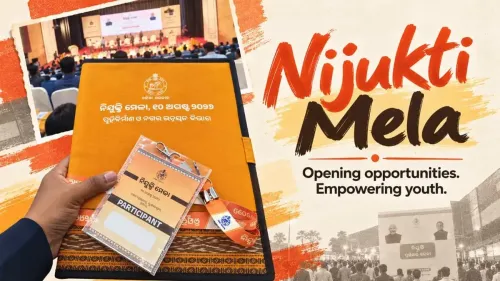
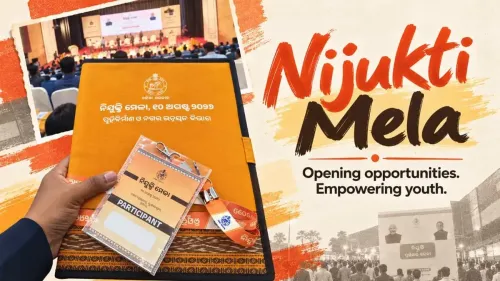
The Nijukti Mela is a state-level employment fair organised by the Odisha government to distribute appointment letters to candidates recruited for various government departments, including the ST & SC Development Department. The 18th edition was held in Bhubaneswar on 1 November 2026.
How many people got jobs at the 18th Nijukti Mela in Odisha?
A total of 2,067 candidates received official government appointment letters at the 18th state-level Nijukti Mela, organised by the ST & SC Development Department in Bhubaneswar.
How many government jobs has Odisha filled since June 2024?
The Odisha government has filled over 48,600 government posts since launching its transparent recruitment drive in June 2024, following the BJP's formation of the state government.
Who is Mohan Charan Majhi?
Mohan Charan Majhi is the Chief Minister of Odisha, who assumed office in June 2024 after the BJP won the state assembly elections, ending the previous administration's long tenure.
What did CM Majhi say to newly appointed teachers at the Nijukti Mela?
CM Majhi urged the newly appointed teachers and employees to treat teaching as a 'noble social responsibility' rather than merely a profession, and called on them to serve as ideal mentors with strict discipline, punctuality, and dedication to public service.