CM Majhi pays tribute to Sardar Patel on National Unity Day
Synopsis
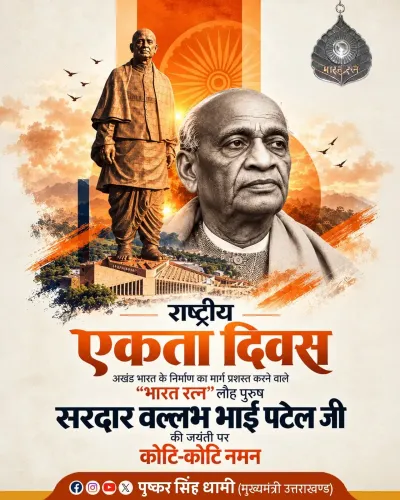
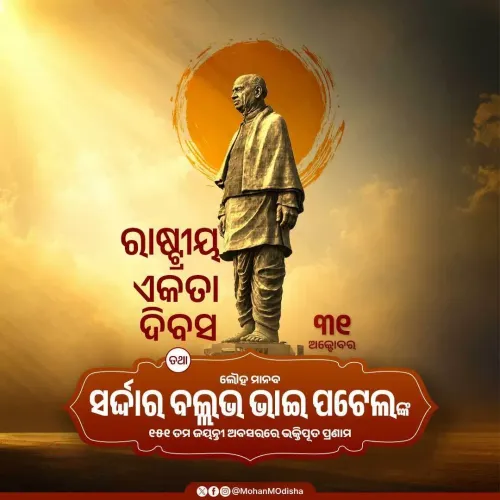
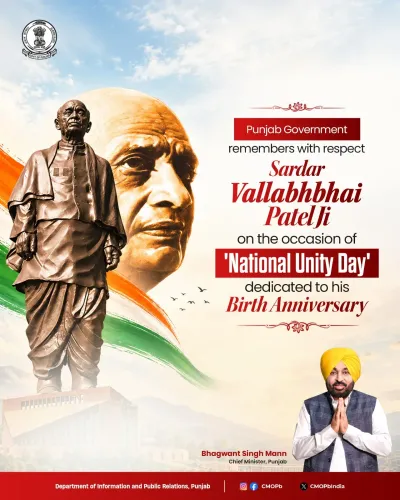
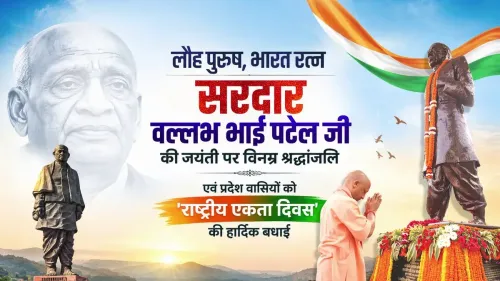
Odisha Chief Minister Mohan Charan Majhi marked National Unity Day on 31 October 2026 with a heartfelt tribute to Sardar Vallabhbhai Patel, saluting the Iron Man's role as architect of a united India and invoking his ideals for a strong, prosperous nation.
Key Takeaways
Odisha CM Mohan Charan Majhi paid tribute to Sardar Vallabhbhai Patel on National Unity Day, 31 October 2026 .
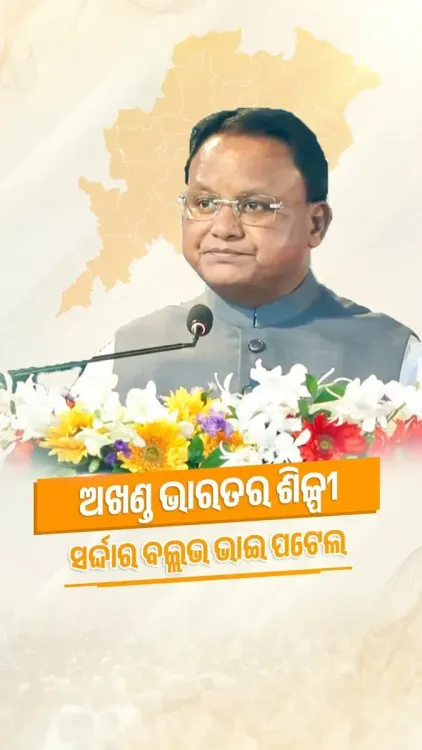
Majhi described Patel as the 'architect of an undivided India' and the 'Iron Man' in a bilingual Odia-English post.
Patel integrated more than 500 princely states into the Indian Union after independence in 1947 as the country's first Deputy Prime Minister and Home Minister.
The central government designated 31 October as National Unity Day in 2014 to mark Patel's birth anniversary.
BJP-led state governments routinely observe the day with public tributes, consistent with the party's emphasis on national integration.
Majhi has led Odisha since the BJP's 2024 assembly election victory in the state.
Seventy-five years after Sardar Vallabhbhai Patel stitched together a fractured subcontinent, his birth anniversary still draws the full weight of India's political establishment to attention. On 31 October 2026, Odisha Chief Minister Mohan Charan Majhi offered heartfelt tribute to the Iron Man of India on National Unity Day, invoking Patel's vision of a strong, united, and prosperous nation.
Writing in both Odia and English, CM Majhi described Patel as 'ଅଖଣ୍ଡ ଭାରତର ଶିଳ୍ପୀ' — 'the architect of an undivided India' — and saluted his 'invaluable contributions and ideals' that 'continue to inspire us towards building a strong, united and prosperous India.' The bilingual post, addressed to citizens of Odisha and beyond, reflects the Chief Minister's deliberate effort to honour the occasion in the language of the state he governs.
The man who made a nation whole
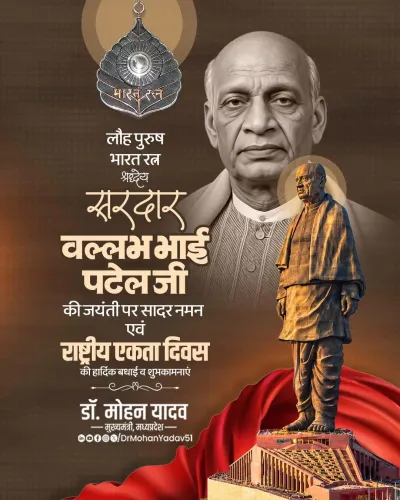
Sardar Patel's place in Indian history is singular. As India's first Deputy Prime Minister and Home Minister, he orchestrated the integration of more than 500 princely states into the Indian Union in the months after independence in 1947 — a diplomatic and, at times, military feat that defined the country's modern borders. The title 'Iron Man' was not bestowed lightly; it captured the resolve with which he faced down reluctant rulers and holdouts alike. He was posthumously awarded the Bharat Ratna, India's highest civilian honour.
National Unity Day and the BJP's Patel legacy
The central government declared 31 October as National Unity Day in 2014, formally institutionalising the commemoration of Patel's birth anniversary as a national call to integration. Since then, BJP-led governments at the centre and in the states have made the day a fixture in the political calendar — marked by 'Run for Unity' marches, flag ceremonies, and public tributes. For the party, Patel represents a strain of robust, unifying nationalism that it has made central to its ideological identity.
CM Majhi, who assumed office after the BJP's historic victory in the 2024 Odisha assembly elections, is consistent with that tradition. His tribute underscores both personal reverence and the broader party line: that Patel's legacy is not a relic but an active instruction for governance.
One hundred and fifty-one years after his birth, the Iron Man's grip on India's political imagination has not loosened. If anything, it tightens every October.
Point of View
Part ideological signal. For CM Majhi, the bilingual Odia-English post is strategic as much as ceremonial: it roots a pan-Indian nationalist moment firmly in Odisha's local identity. The broader pattern matters too — each successive year the BJP expands the day's footprint, from central government events to every state capital, deepening Patel's association with the party's brand of integration politics. Whether that brand translates into tangible policy outcomes in Odisha remains the more demanding question.
NationPress
31 Oct 2026
Frequently Asked Questions
What is National Unity Day and when is it celebrated?
National Unity Day is observed every year on 31 October , the birth anniversary of Sardar Vallabhbhai Patel . The central government declared it a national observance in 2014 to promote unity and integrity across India.
Why is Sardar Patel called the Iron Man of India?
Sardar Patel earned the title 'Iron Man of India' for his resolute campaign to integrate more than 500 princely states into the Indian Union after independence in 1947 , cementing the country's territorial unity as its first Deputy Prime Minister and Home Minister.
Who is Mohan Charan Majhi?
Mohan Charan Majhi is the Chief Minister of Odisha and a BJP leader who assumed office after the party's victory in the 2024 Odisha assembly elections .
What did Odisha CM Majhi say on National Unity Day 2026?
CM Majhi posted a bilingual tribute in Odia and English, calling Patel the 'architect of an undivided India' and stating that his 'invaluable contributions and ideals continue to inspire us towards building a strong, united and prosperous India.'
What is the Bharat Ratna awarded to Sardar Patel?
The Bharat Ratna is India's highest civilian honour. Sardar Vallabhbhai Patel was awarded it posthumously in recognition of his extraordinary service to the nation, including the unification of India's princely states.