CM Majhi Vows Flood Relief as Odisha Battles Monsoon

Synopsis
Odisha Chief Minister Mohan Charan Majhi on 17 August 2026 declared flood-affected citizens' safety the state's top priority, announcing coordinated rescue, relief and rehabilitation operations are actively under way across impacted districts.
Key Takeaways
Odisha CM Mohan Charan Majhi declared flood-affected citizens' safety the government's 'foremost priority' in a post on 17 August 2026 .
The government announced coordinated action covering rescue, relief, rehabilitation and restoration of normalcy in all affected areas.
All state government machinery in flood-hit zones has been placed on alert and active status to deliver assistance.
Odisha is structurally vulnerable to monsoon flooding due to the Mahanadi river system and Bay of Bengal weather patterns.
Majhi, who took office in June 2024 as Odisha's first BJP chief minister, faces his administration's first significant flood-season test.
Flood response in Odisha is coordinated through the Odisha State Disaster Management Authority under the Disaster Management Act, 2005.
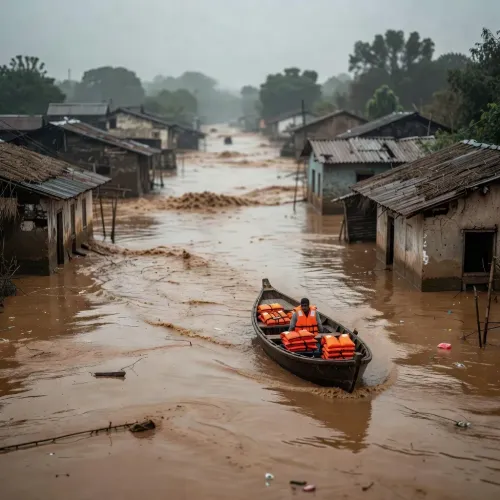
As monsoon floodwaters sweep through Odisha's river plains, Chief Minister Mohan Charan Majhi has declared that the protection of flood-affected citizens is the government's highest priority — and that coordinated relief operations are already under way across impacted areas.
Posting in Odia on Monday, 17 August 2026, Majhi stated: 'Your safety is the government's foremost priority. The government is taking swift, coordinated steps for the protection, rescue, relief and rehabilitation of those affected by floods. All government machinery in the affected areas is alert and active, providing necessary assistance to the people.'
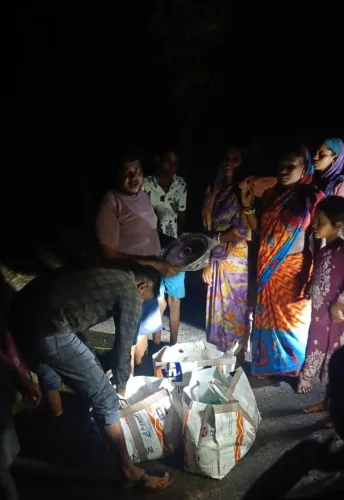
He added that efforts to deliver relief to every affected family and restore normalcy are 'continuously ongoing' — a signal that the administration is treating this as an active emergency, not a routine update.
Odisha's Recurring Battle With the Monsoon
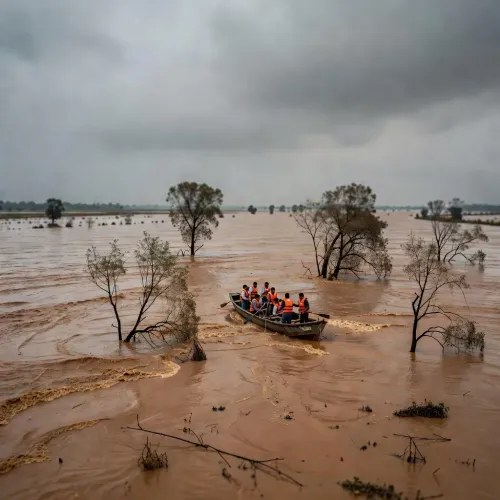
Odisha sits at one of South Asia's most flood-prone intersections: a dense river network dominated by the Mahanadi and its tributaries, funnelling directly into Bay of Bengal weather systems that intensify every monsoon season. The state has endured near-annual inundation for decades, and successive administrations have built their emergency response around the Odisha State Disaster Management Authority, established under the national Disaster Management Act, 2005.
District administrations, NDRF teams and state disaster units form the operational spine of each year's response — evacuating villages, running relief camps and restoring roads, power and drinking water once waters recede. The machinery is well-rehearsed. The question each year is speed and reach.
Majhi's First Test as BJP's Odisha Chief Minister
Mohan Charan Majhi took office in June 2024 as Odisha's first-ever BJP chief minister, ending the Biju Janata Dal's unbroken 24-year run in power. Flood season is among the most politically visible stress-tests any Odisha government faces — relief delays and inadequate compensation have historically cost governments public trust. Majhi's emphatic, first-person public assurance on X signals that his administration is conscious of that dynamic and is choosing visible, proactive communication as part of its disaster response posture.
The coming weeks — relief distribution audits, damage assessments from district collectors, and restoration timelines for roads and power — will determine how the words translate into outcomes on the ground.
In a state where the monsoon is not a surprise but a certainty, the real measure of governance is not the promise of action. It is whether every affected family actually gets the relief that reached the press release.
Point of View
Top-down assurance during monsoon emergencies — but carries added political weight as his government's first full flood season in office. Having unseated a party that built its identity around disaster preparedness, the BJP administration must now demonstrate operational competence, not just communication agility. The emphasis on 'coordinated' and 'continuous' action suggests the government is pre-empting criticism about fragmented response. Whether the administrative machinery inherited from the previous regime is being used effectively, or retooled, will shape Majhi's governance credibility heading into the next electoral cycle.
NationPress
1 Oct 2026
Frequently Asked Questions
What did Odisha CM Mohan Majhi say about the floods in August 2026?
Majhi posted on X on 17 August 2026 that the safety of flood-affected citizens is the government's highest priority, and that swift, coordinated steps are being taken for rescue, relief and rehabilitation across affected areas.
Which rivers cause flooding in Odisha every monsoon?
Odisha's recurring floods are primarily driven by the Mahanadi river and its tributaries, compounded by Bay of Bengal weather systems that intensify during the monsoon season.
Who is Mohan Charan Majhi?
Mohan Charan Majhi is the Chief Minister of Odisha and a BJP leader who took office in June 2024, becoming the state's first-ever BJP chief minister after the party ended the Biju Janata Dal's 24-year rule.
How does Odisha manage flood disasters?
Odisha manages flood response through the Odisha State Disaster Management Authority, set up under the national Disaster Management Act 2005, alongside district administrations and NDRF teams that handle evacuation, relief camps and restoration.
Is Odisha frequently affected by floods?
Yes, Odisha faces near-annual flooding due to its dense river network and proximity to Bay of Bengal cyclone systems, making monsoon disaster response a recurring governance priority for every state administration.