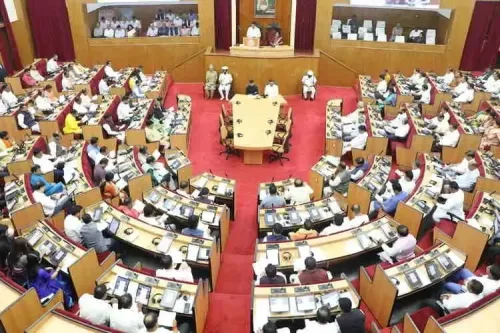
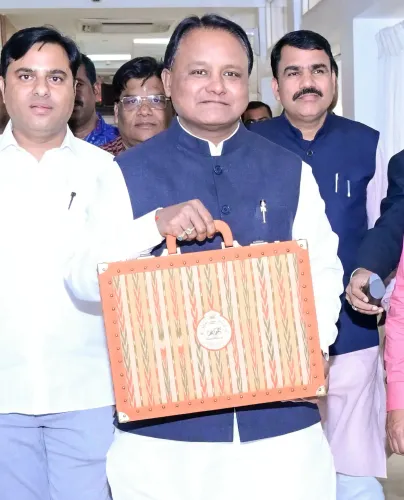
CM Majhi tables ₹24,150 cr supplementary budget for Odisha

Synopsis
Odisha Chief Minister Mohan Charan Majhi has presented a ₹24,150 crore supplementary budget for 2026-27, prioritising food security, education, agriculture, women's empowerment, healthcare, infrastructure and social security as part of the state's inclusive development push.
Key Takeaways
₹24,150 crore is the total outlay in Odisha's supplementary budget for 2026–27 .
Key sectors covered include food security, education, agriculture, women's empowerment, healthcare, infrastructure, industry and social security .
CM Mohan Charan Majhi framed the allocation as a step toward building a 'prosperous Odisha' through inclusive growth.
BJP has governed Odisha since June 2024 , following a historic assembly election win that ended nearly two decades of opposition rule.
Supplementary budgets address additional expenditure needs beyond the main annual budget and are standard fiscal tools in Indian states.
Actual fund utilisation across sectors will be closely watched through the remainder of the 2026–27 fiscal year.
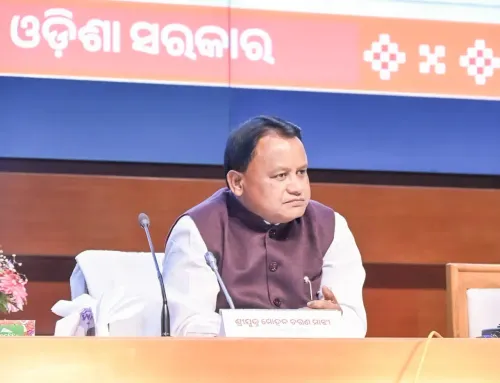
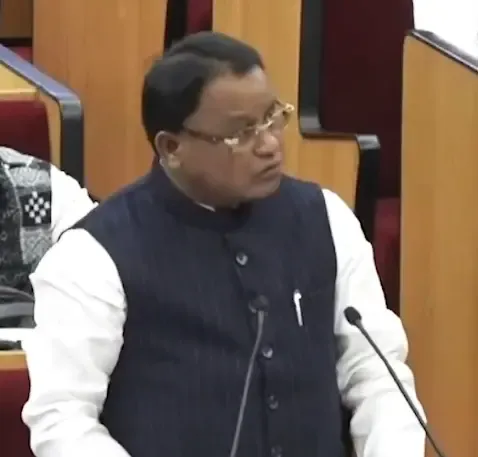
A ₹24,150 crore supplementary budget for 2026–27 is now on the table for Odisha, with Chief Minister Mohan Charan Majhi declaring it a blueprint for inclusive growth across every major sector of the state's economy — from food security and agriculture to healthcare and women's empowerment.
What the ₹24,150 crore allocation covers
The supplementary budget spans a wide arc of public priorities. CM Majhi listed food security, education, agriculture, women's empowerment, healthcare, infrastructure, industry and social security as the key sectors drawing allocations. The tagline attached — #SamruddhaOdishaBudget (Prosperous Odisha Budget) — signals the administration's framing of this as a development statement, not merely a housekeeping exercise.
Supplementary budgets are a standard fiscal instrument in Indian states, used to plug gaps between what the main annual budget anticipated and what actual governance demands. What makes this one notable is the headline figure: at ₹24,150 crore, it represents a substantial mid-year mobilisation of resources for a state that has been under BJP governance only since June 2024.
Majhi's development agenda since June 2024
Mohan Charan Majhi came to power after the BJP's landmark assembly election victory in Odisha in 2024, ending nearly two decades of Biju Janata Dal rule. His administration has consistently projected welfare spending and infrastructure as twin pillars of its governance pitch. This supplementary budget, framed under the hashtag #PeoplesBudget, is a continuation of that messaging — a government signalling that mid-year corrections are as welfare-focused as the original plan.
The emphasis on women's empowerment and social security alongside hard infrastructure and industry reflects a balancing act familiar to state finance ministers: delivering visible development while maintaining safety-net spending for a population that includes large farming and tribal communities.
What to watch as the fiscal year progresses
Announcements of allocations are only the first act. The critical question is utilisation — how much of the ₹24,150 crore actually flows to beneficiaries before the fiscal year closes in March 2027. State supplementary budgets in India have historically seen uneven absorption rates, particularly in capital expenditure lines. Sector-wise disbursement data and any further mid-year revisions will be the real test of whether this budget delivers on its 'prosperous Odisha' promise.
Point of View
From women's empowerment to industrial development, suggests an attempt to signal universal reach rather than a targeted spend. The real measure of this budget's political and policy value will come from utilisation figures: in Indian state finance, the gap between announced allocations and actual disbursement often tells the more consequential story.
NationPress
19 Nov 2026
Frequently Asked Questions
What is the Odisha supplementary budget 2026-27?
The Odisha supplementary budget 2026-27 is a mid-year budget of ₹24,150 crore announced by Chief Minister Mohan Charan Majhi to fund additional expenditure across sectors including food security, education, agriculture, healthcare, infrastructure and women's empowerment.
What is a supplementary budget in India?
A supplementary budget is an additional allocation presented by a state or central government mid-year to meet expenditure needs that were not fully covered in the original annual budget. It is a standard fiscal instrument used by Indian governments.
How much is Odisha's supplementary budget for 2026-27?
Odisha's supplementary budget for 2026-27 is ₹24,150 crore, as announced by Chief Minister Mohan Charan Majhi.
Which sectors are covered in the Odisha 2026-27 supplementary budget?
The budget covers food security, education, agriculture, women's empowerment, healthcare, infrastructure, industry and social security, with an overarching focus on inclusive development.
When did Mohan Charan Majhi become Chief Minister of Odisha?
Mohan Charan Majhi became Chief Minister of Odisha in June 2024 after the BJP won the state assembly elections, ending nearly two decades of Biju Janata Dal rule.