CM Manik Saha joins Durga Puja parikrama at Bardowali
Synopsis
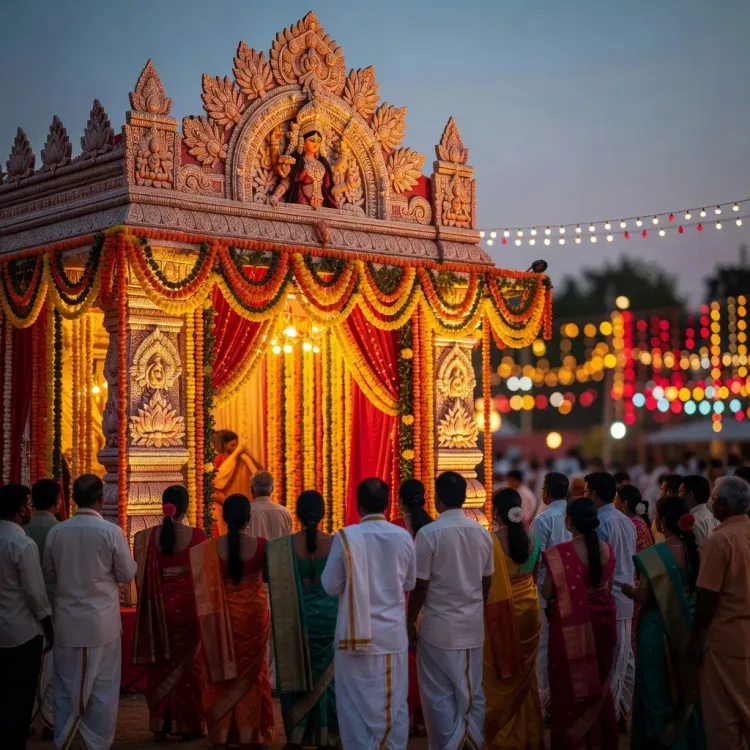
Tripura Chief Minister Dr. Manik Saha joined the Durga Puja parikrama on Maha Shashthi evening, visiting the BPC Club pandal in Bardowali, Agartala, on October 16, 2026, reflecting the state's vibrant Bengali cultural traditions.
Key Takeaways
Manik Saha , Chief Minister of Tripura, undertook a Durga Puja parikrama on Maha Shashthi evening, October 16, 2026 .
He visited the BPC Club pandal in Bardowali , a prominent locality in Agartala .
Maha Shashthi marks the formal opening of public Durga Puja celebrations across eastern and northeastern India.
Tripura's large Bengali-speaking population makes Durga Puja one of the state's most significant annual festivals.
Chief ministers routinely join puja parikramas, blending community participation with public engagement.
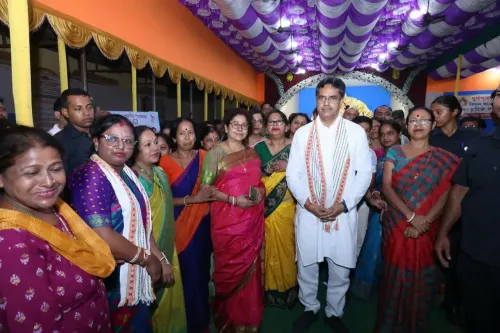
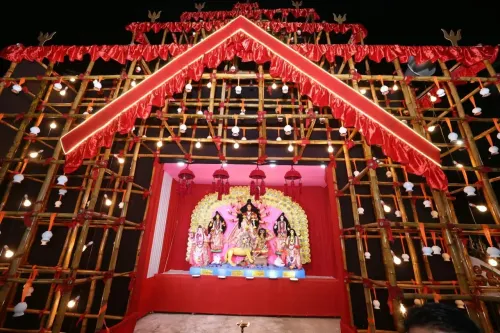
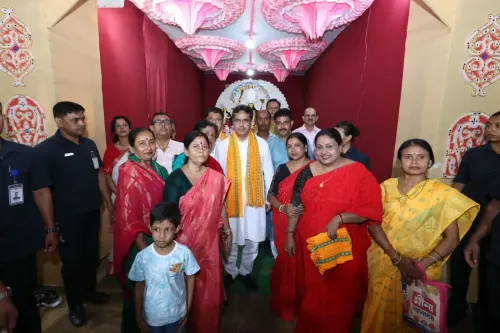
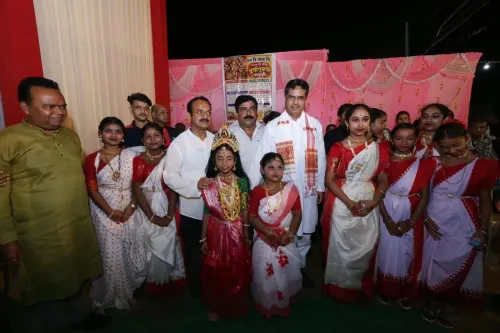
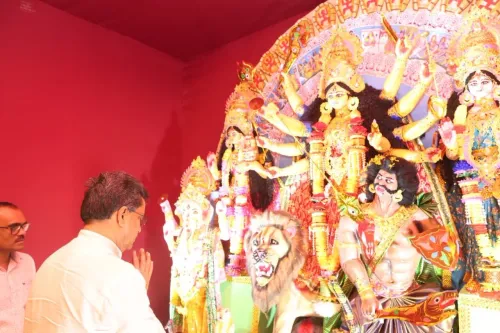
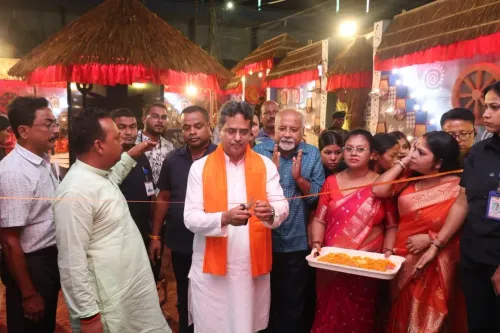
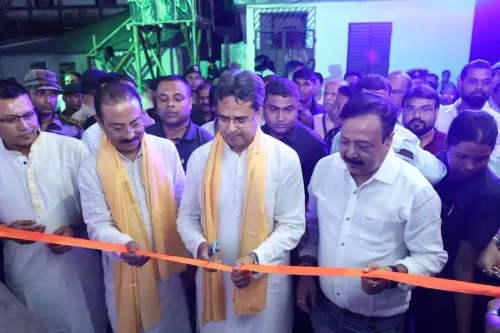
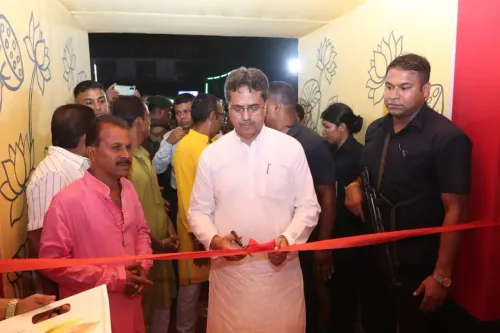
On the auspicious evening of Maha Shashthi, Tripura Chief Minister Dr. Manik Saha stepped out into the festive streets of Agartala on Friday, October 16, 2026, joining the city's Durga Puja parikrama — the tradition of visiting pandals — and calling in at the BPC Club in Bardowali.
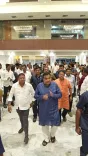
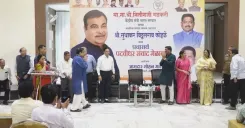
Dr. Saha shared the moment on X in Bengali: 'মহা ষষ্ঠীর সন্ধ্যায়, দুর্গা পূজা পরিক্রমায় - বিপিসি ক্লাব, বড়দোয়ালী' — 'On the evening of Maha Shashthi, on the Durga Puja parikrama — BPC Club, Bardowali' — accompanied by four photographs from the visit.
Maha Shashthi and the meaning of the parikrama
Maha Shashthi marks the sixth day of Navratri and the formal commencement of Durga Puja's public celebrations, when the goddess is ritually unveiled in pandals across eastern and northeastern India. The parikrama — a round of pandal visits — is both a spiritual act and a deeply communal one, drawing families, neighbours, and public figures alike into shared celebration.
In Tripura, home to a large Bengali-speaking population, Durga Puja is among the most significant festivals on the cultural calendar. Community clubs organise elaborate installations, and the presence of elected representatives at these sites has long been part of the festival's social fabric.
Bardowali's BPC Club and Agartala's puja circuit
Bardowali, a prominent locality in Agartala, sits firmly on the capital's puja circuit. Clubs like the BPC Club invest months of community effort in their pandals and cultural programmes, and a Chief Minister's visit carries both symbolic recognition and a boost to local morale. For Dr. Saha — himself rooted in Tripura's Bengali cultural traditions — the parikrama is a natural bridge between governance and community life.
Chief ministers across eastern and northeastern India routinely undertake such pandal rounds during the festival, blending public engagement with genuine participation in a tradition that predates electoral politics by centuries.
Point of View
And visible, unpretentious community engagement during major festivals signals both personal rootedness and deliberate political cultivation. It is a soft-power move as old as democratic politics itself, but no less effective for it.
NationPress
16 Oct 2026
Frequently Asked Questions
Where did Tripura CM Manik Saha visit during Durga Puja 2026?
On the evening of Maha Shashthi, Dr. Manik Saha visited the BPC Club pandal in Bardowali, Agartala, as part of his Durga Puja parikrama on October 16, 2026.
What is Maha Shashthi in Durga Puja?
Maha Shashthi is the sixth day of Navratri and marks the formal start of Durga Puja's public celebrations, when the goddess is ritually unveiled in pandals across eastern and northeastern India.
What is a Durga Puja parikrama?
A parikrama is the practice of visiting multiple Durga Puja pandals in sequence — a tradition observed by devotees and public figures alike during the festival.
Why is Durga Puja significant in Tripura?
Tripura has a large Bengali-speaking population for whom Durga Puja is one of the most important annual cultural and religious festivals, celebrated with elaborate community pandals across the state.
Who is Dr. Manik Saha?
Dr. Manik Saha is the Chief Minister of Tripura and a BJP leader who assumed office in 2022. He is also a dentist by profession and a prominent figure in northeastern Indian politics.