CM Manik Saha Offers Pushpanjali at Family's 109th Durga Puja
Synopsis
Tripura Chief Minister Dr. Manik Saha observed Maha Ashtami by offering pushpanjali at his family's 109th Durga Puja, sharing a Bengali prayer for happiness, peace, and prosperity for all citizens.
Key Takeaways
Manik Saha offered pushpanjali at Goddess Durga's feet on Maha Ashtami, October 19, 2026 .
The puja is described as the 109th consecutive celebration of his family's Durga Puja, indicating a tradition over a century old.
Saha prayed for happiness, peace, prosperity, and wellbeing for all, signing off with 'Joy Ma Durga.' Durga Puja is culturally central to Tripura's large Bengali Hindu population , and Maha Ashtami is the festival's most spiritually significant day.
Saha has served as Chief Minister of Tripura since 2022 and regularly marks cultural milestones to strengthen community ties.
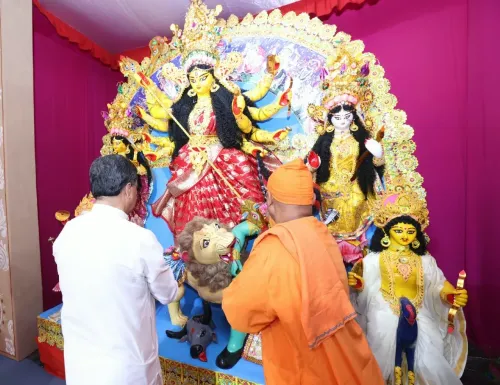
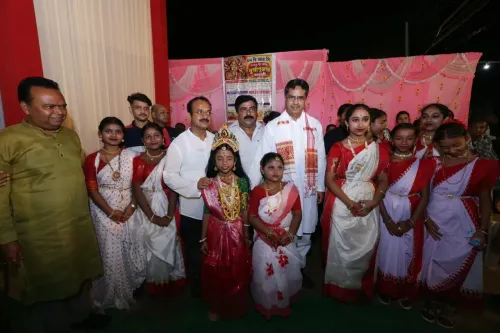
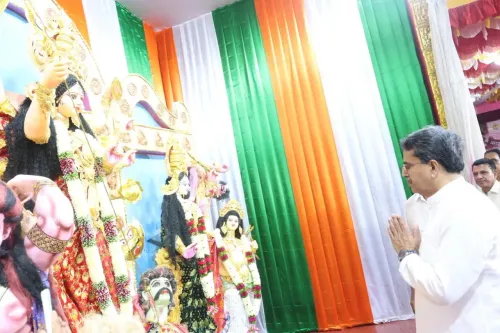
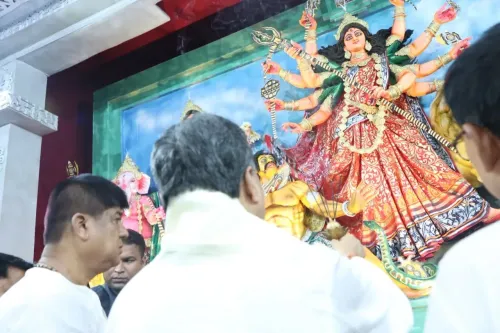
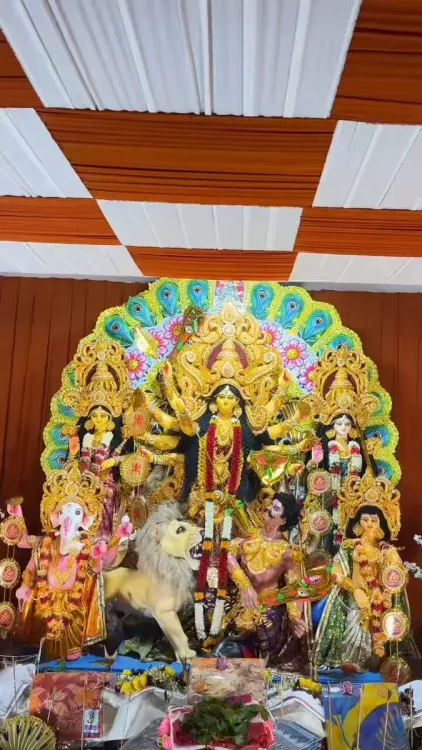
On the sacred morning of Maha Ashtami, Tripura Chief Minister Dr. Manik Saha offered floral tributes — pushpanjali — at the feet of Goddess Durga during his family's 109th consecutive Durga Puja celebration, drawing blessings of peace and prosperity for all.
Posting in Bengali on Monday, October 19, 2026, Dr. Saha wrote: 'আমাদের বাড়ির ১০৯তম দুর্গাপূজায় মহা অষ্টমীর পুণ্যলগ্নে সকালে মা দুর্গার চরণে পুষ্পাঞ্জলি অর্পণ করে অপার শান্তি ও আশীর্বাদ লাভ করি।' — translated: 'At the auspicious moment of Maha Ashtami in our home's 109th Durga Puja, I offered pushpanjali at the feet of Ma Durga and received immense peace and blessings.' He concluded with a prayer that Ma Durga's blessings bring happiness, peace, prosperity, and wellbeing to all — ending with the invocation 'Joy Ma Durga.'
A family tradition spanning more than a century
The claim of a 109-year-old family Puja places its founding well before Indian independence — a lineage that, if accurate, spans generations of a single household's devotion. Durga Puja carries particular weight in Tripura, a state with a large Bengali Hindu population for whom the festival is the cultural and emotional centrepiece of the year. Maha Ashtami — the eighth day of the Navratri cycle — is considered the most spiritually potent day of the Puja calendar, when devotees gather at dawn to offer flowers in a collective act of surrender to the goddess.
Festival observances and political community ties in Tripura
For political leaders in Bengal-influenced states, participating visibly in Durga Puja is as much about community identity as personal faith. Dr. Saha, who has served as Chief Minister since 2022, has consistently used cultural touchpoints to reinforce his connection with Tripura's Bengali-majority electorate. Sharing a personal, familial ritual — rather than a public pandal visit — signals an intimacy that scripted appearances cannot replicate. The broader festival season often coincides with state governments announcing cultural grants, pandal recognitions, or community welfare initiatives.
As the city of Agartala and towns across Tripura fill with the sound of dhak drums and the scent of marigolds this Ashtami morning, the Chief Minister's message from his own courtyard is clear: the state's Bengali cultural heritage, stretching back over a century in his own home, remains very much alive.
Point of View
Visibly inhabiting a century-old family ritual carries far more cultural capital than any pandal visit. For the BJP in Tripura, anchoring its leadership in deep-rooted Hindu Bengali traditions reinforces a nativist cultural identity that the party has cultivated since 2018. The 109-year lineage claim, whether or not publicly verifiable, functions as a narrative of continuity — the Chief Minister as custodian, not newcomer, of the community's oldest traditions. Ahead of any future electoral cycle, that framing is a quiet but potent asset.
NationPress
19 Oct 2026
Frequently Asked Questions
Which Durga Puja did Manik Saha attend on Maha Ashtami 2026?
Dr. Manik Saha attended his own family's Durga Puja, which he described as the 109th consecutive edition, and offered pushpanjali on the morning of Maha Ashtami on October 19, 2026.
What is Maha Ashtami and why is it important in Durga Puja?
Maha Ashtami is the eighth day of the Navratri-Durga Puja cycle and is considered the most spiritually significant day, when devotees offer flowers — pushpanjali — to Goddess Durga at dawn.
Why is Durga Puja especially important in Tripura?
Tripura has a large Bengali Hindu population for whom Durga Puja is the central cultural and religious festival of the year, making it politically and socially significant for the state's leadership.
How long has Manik Saha been Chief Minister of Tripura?
Dr. Manik Saha has served as Chief Minister of Tripura since 2022, representing the BJP.
What did Manik Saha pray for on Maha Ashtami 2026?
He prayed that Ma Durga's blessings bring happiness, peace, prosperity, and wellbeing to everyone, ending his post with the invocation 'Joy Ma Durga.'