CM Manik Saha Pushes Medical Colleges Beyond Agartala
Synopsis
Tripura Chief Minister Dr. Manik Saha announced on 12 July 2026 that medical colleges are being set up in Dhalai with Bandhan Bank support, and that investors have expressed interest in Unakoti and Sabroom, pushing advanced healthcare beyond the capital Agartala.
Key Takeaways
Manik Saha announced Tripura's plan to decentralise advanced healthcare from Agartala to all district levels.
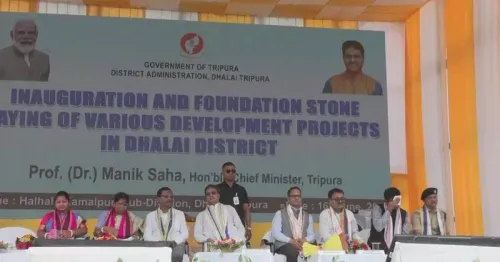
A medical college in Dhalai district is under construction with support from Bandhan Bank , fulfilling a government promise.
Additional private investors have expressed interest in medical colleges in Unakoti and Sabroom .
Agartala Government Medical College , established in 2005 , has been the state's sole advanced medical hub historically.
The public-private partnership model mirrors similar initiatives in Assam and Meghalaya under the National Health Policy framework.
Formal MoUs and budget allocations for Unakoti and Sabroom projects are yet to be announced.
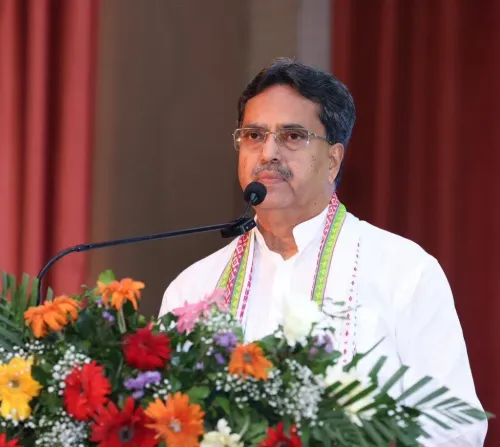
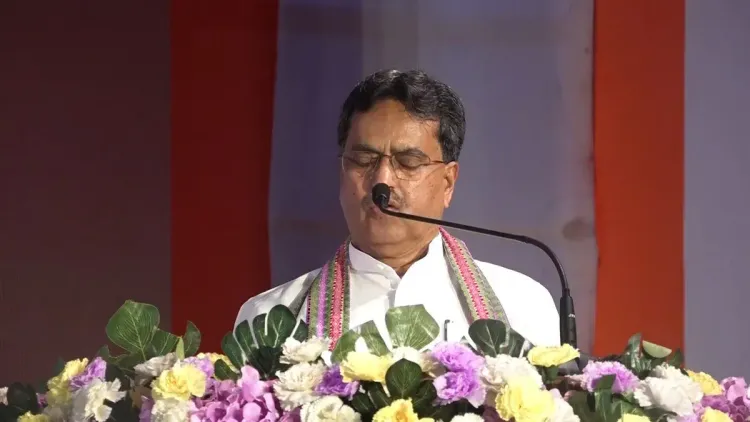
Tripura Chief Minister Dr. Manik Saha on Sunday, 12 July 2026, announced that the state government is actively working to decentralise advanced healthcare infrastructure beyond the capital Agartala, with medical colleges planned for Dhalai, Unakoti, and Sabroom districts.
Posting in Bengali on X, Dr. Saha stated: 'Advanced medical facilities should not remain confined to Agartala alone — we are working to reach every district level of the state. In keeping with our promise, the work of establishing a medical college in Dhalai district with the support of Bandhan Bank is progressing. Through this, other investors have also been encouraged. I am very pleased that they are expressing interest in constructing medical colleges in Unakoti and Sabroom as well.'
Context
Tripura's healthcare infrastructure has historically been concentrated in Agartala, where the state's primary government medical college has operated since 2005. Residents of interior and border districts have long had to travel to the capital for tertiary care, creating both access gaps and financial burdens for rural and tribal populations. Dr. Saha's government has positioned district-level medical colleges as a priority commitment since he assumed office in 2022.
Policy Backdrop
The Dhalai project, supported by Bandhan Bank — a private-sector bank headquartered in Kolkata with a strong footprint in eastern and northeastern India — represents one of the first public-private partnership models for medical education in Tripura. The broader approach mirrors efforts in neighbouring states like Assam and Meghalaya, where private banks and corporates have been drawn into medical college projects to supplement state capacity. This aligns with the National Health Policy's emphasis on increasing MBBS seats and specialist care in underserved regions.
Northeastern states have increasingly pursued decentralisation of tertiary healthcare from their capitals through such partnerships, addressing both geographic isolation and demographic underservice. The involvement of a financial institution like Bandhan Bank signals a model that could attract further corporate investment into health infrastructure in the region.
Stakeholders and Impact
The proposed colleges in Unakoti — a district in northern Tripura carved out in 2012 with limited tertiary healthcare access — and Sabroom, a border town in South Tripura near Bangladesh, would serve some of the state's most underserved populations. Rural patients, tribal communities, and aspiring medical students from these districts stand to benefit directly from reduced travel distances and expanded local enrolment opportunities. The Chief Minister's statement also signals that additional private investors beyond Bandhan Bank have shown interest, though their identities have not been disclosed.
What's Next
Observers will watch for formal memoranda of understanding or land allocation announcements for the Unakoti and Sabroom projects, as well as state budget allocations or central Ministry of Health approvals. Construction milestones and admission timelines for the Dhalai college will serve as an early indicator of whether the public-private model is replicable across the state's remaining districts. The government's ability to convert investor interest into operational institutions will be the defining test of this decentralisation push.
Point of View
But the shift from 'interest expressed' to operational colleges in Unakoti and Sabroom will require sustained political and administrative follow-through. Nationally, this mirrors the BJP's broader push to expand MBBS seats in underserved regions as both a health and electoral priority. The real test will be whether land, regulatory clearances, and central approvals materialise before the next election cycle.
NationPress
12 Jul 2026
Frequently Asked Questions
Where is the new medical college being built in Tripura?
A medical college is being established in Dhalai district of Tripura with the support of Bandhan Bank . Additionally, medical colleges are proposed for Unakoti and Sabroom , with investors expressing interest in both locations.
Which bank is supporting the Dhalai medical college in Tripura?
Bandhan Bank , a private-sector bank headquartered in Kolkata , is supporting the medical college project in Dhalai district , Tripura, as part of a public-private partnership initiative.
What did Tripura CM Manik Saha say about healthcare decentralisation?
Dr. Manik Saha stated that advanced medical facilities should not remain confined to Agartala and that his government is working to bring quality healthcare infrastructure to every district of Tripura.
Does Tripura have a government medical college?
Yes, Agartala Government Medical College was established in 2005 and has been Tripura's primary hub for advanced medical education and tertiary care. The state is now working to add colleges in Dhalai , Unakoti , and Sabroom .
What is Unakoti district known for in Tripura?
Unakoti district in northern Tripura, carved out in 2012 , is known for its cultural heritage and rock-cut sculptures, but has had relatively limited access to tertiary healthcare — making it a priority for the state's medical college expansion plan.