CM Mohan Yadav Highlights Indore's Water Conservation Legacy
Synopsis
Madhya Pradesh CM Dr. Mohan Yadav linked Indore's historic water conservation legacy, rooted in the era of Devi Ahilyabai Holkar, to his government's active conservation programmes, posting under the #EkPedMaaKeNaam afforestation campaign on 12 July 2026.
Key Takeaways
Mohan Yadav , Chief Minister of Madhya Pradesh, posted on 12 July 2026 about water conservation in Indore .
He invoked the legacy of Devi Ahilyabai Holkar , the 18th-century Holkar ruler renowned for building stepwells, tanks, and ghats across central India.
The post was tagged under #EkPedMaaKeNaam (One Tree in Mother's Name), a state-promoted tree plantation and conservation campaign.
Madhya Pradesh has pursued urban water body rejuvenation under the Atal Bhujal Yojana since 2020 and the Jal Jeevan Mission since 2019 .
Indore is the largest city in Madhya Pradesh and the former capital of the Holkar state, with a historically significant network of water bodies.
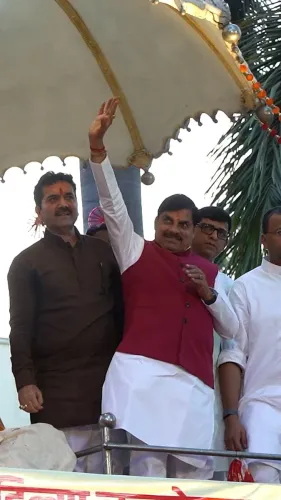
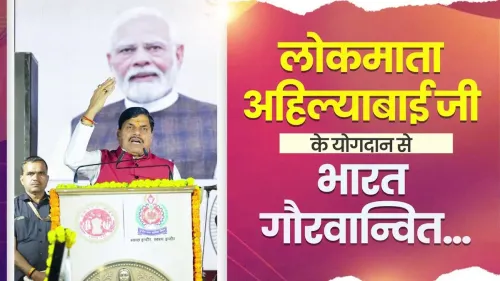
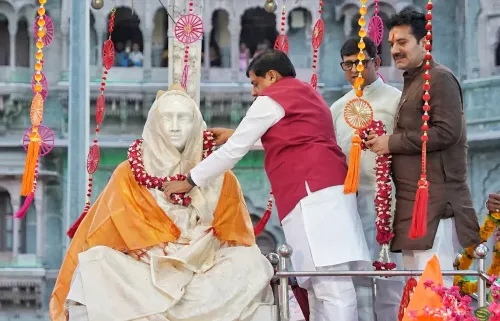
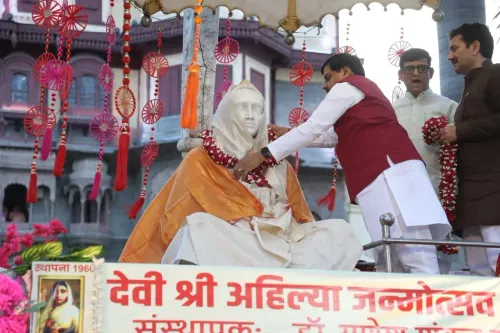
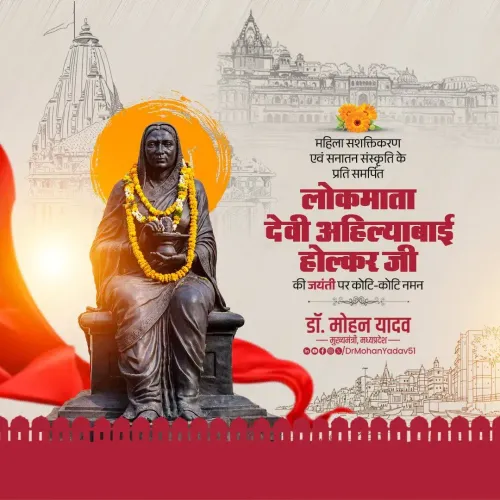
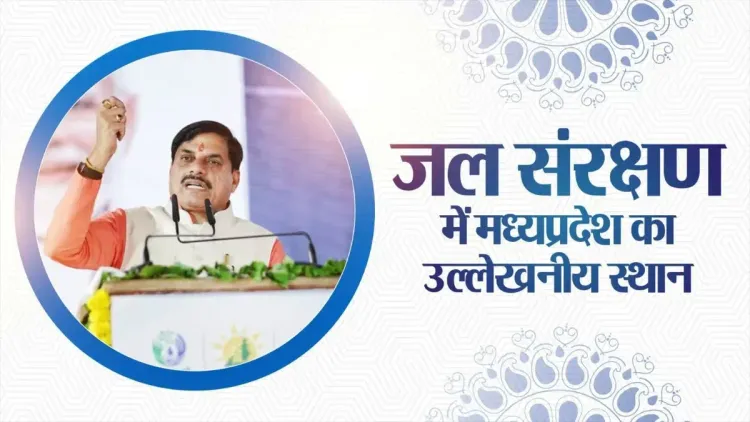
Madhya Pradesh Chief Minister Dr. Mohan Yadav on Sunday, 12 July 2026, invoked the legacy of Devi Ahilyabai Holkar to underscore his government's ongoing water conservation efforts in Indore, posting a message on X that connected the city's ancient heritage with present-day state initiatives.
In his post, the Chief Minister wrote: 'Devi Ahilyabai ki nagri Indore prachin kaal se hi jal sanrakshan ke karyon ke liye jaani jaati hai' — meaning, 'The city of Devi Ahilyabai, Indore, has been known since ancient times for its water conservation works.' He added that his government continues to work consistently on water conservation in the city, tagging the campaign #EkPedMaaKeNaam (One Tree in Mother's Name).
Context
Devi Ahilyabai Holkar was the 18th-century Holkar ruler of Indore, widely remembered for commissioning public infrastructure — including stepwells, tanks, and ghats — across central India. Her name carries deep cultural resonance in the region, and invoking her legacy in policy communication is a well-established practice in Madhya Pradesh's political discourse. Indore, the state's largest city and former Holkar capital, retains several historical water bodies that successive administrations have cited as models of traditional water management.
Policy Backdrop
The Madhya Pradesh government has pursued urban lake and tank rejuvenation under the Atal Bhujal Yojana framework since 2020, which includes district-level groundwater conservation components covering Indore. The centrally sponsored Jal Jeevan Mission, launched in 2019, also incorporated water conservation work at the district level across Madhya Pradesh. The #EkPedMaaKeNaam campaign — translating to 'One Tree in Mother's Name' — blends afforestation messaging with water conservation goals, reflecting a broader state push to link tree cover with groundwater recharge during the monsoon season.
Indian state governments, particularly in BJP-governed states, have increasingly woven pre-colonial heritage narratives into contemporary sustainability drives. Similar approaches referencing regional historical figures alongside central schemes such as the Jal Shakti Abhiyan have appeared in Rajasthan and Maharashtra, signalling a national pattern of heritage-linked environmental communication.
Stakeholders and Impact
The primary beneficiaries of Indore's water conservation efforts are the city's urban residents and surrounding farming communities who depend on groundwater levels maintained by healthy lake and tank ecosystems. Indore's rapid urban expansion has placed pressure on its historic water bodies, making government-led rejuvenation programmes directly relevant to both drinking water supply and agricultural sustainability in the region. The #EkPedMaaKeNaam campaign also targets citizen participation, encouraging individuals and community groups to plant trees as a personal and civic act.
What's Next
Monsoon-season progress reports on Indore's lake desilting projects and tree plantation targets under the current administration are expected to follow in the coming weeks. State budget allocations for urban water bodies in 2026-27 will be a key indicator of how much financial weight the Yadav government places behind this conservation messaging. Continued social media engagement under the #EkPedMaaKeNaam campaign suggests the state is positioning water and forest conservation as a flagship public communication theme through the monsoon period.
Point of View
The Chief Minister simultaneously appeals to local cultural pride and frames his administration as the natural continuation of a centuries-old civic tradition. The tie-in with the #EkPedMaaKeNaam campaign suggests the state is deliberately bundling afforestation and water messaging into a single monsoon-season narrative. Whether this translates into measurable outcomes — lake desilting progress, plantation targets met — will determine whether the heritage framing carries policy weight or remains primarily symbolic.
NationPress
12 Jul 2026
Frequently Asked Questions
What did CM Mohan Yadav say about Indore's water conservation?
CM Dr. Mohan Yadav stated on 12 July 2026 that Indore has been known for water conservation since ancient times, citing the legacy of Devi Ahilyabai Holkar, and affirmed that his government is continuously working on water conservation in the city.
Who was Devi Ahilyabai Holkar and why is she associated with Indore?
Devi Ahilyabai Holkar was the 18th-century Holkar ruler of Indore, celebrated for building stepwells, tanks, ghats, and other public infrastructure across central India. Indore was the capital of her kingdom and the city is often referred to as 'Devi Ahilyabai ki nagri' in her honour.
What is the Ek Ped Maa Ke Naam campaign in Madhya Pradesh?
Ek Ped Maa Ke Naam, meaning 'One Tree in Mother's Name,' is a tree plantation campaign promoted by the Madhya Pradesh government that encourages citizens to plant trees as a tribute to their mothers, linking afforestation with broader water and environmental conservation goals.
What water conservation schemes is the Madhya Pradesh government running in Indore?
The state has worked on urban lake and tank rejuvenation under the Atal Bhujal Yojana framework since 2020, and Indore has been part of the Jal Jeevan Mission since 2019, which includes district-level water conservation components.
Why do BJP-ruled states link historical figures to water conservation campaigns?
BJP-governed states frequently connect contemporary environmental drives to pre-colonial rulers and heritage figures to blend cultural pride with policy messaging. This approach, seen in Madhya Pradesh, Rajasthan, and Maharashtra, aims to build public resonance by framing modern schemes as continuations of local historical traditions.