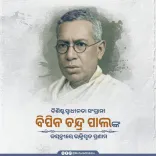
CM Mohan Yadav marks 151st anniversary of Vande Mataram
Synopsis
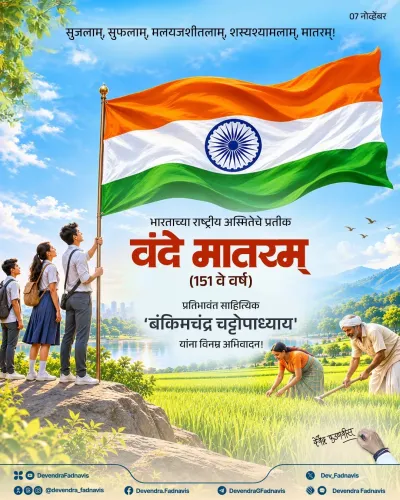
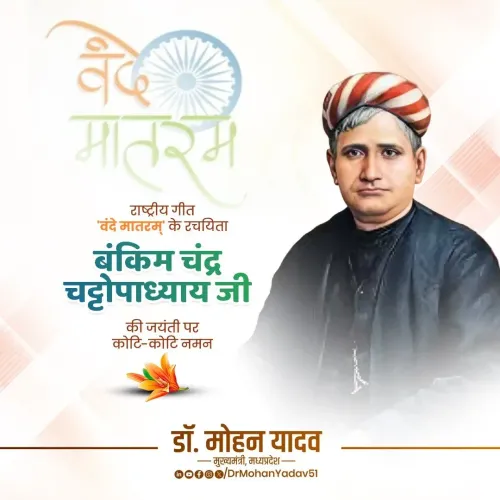
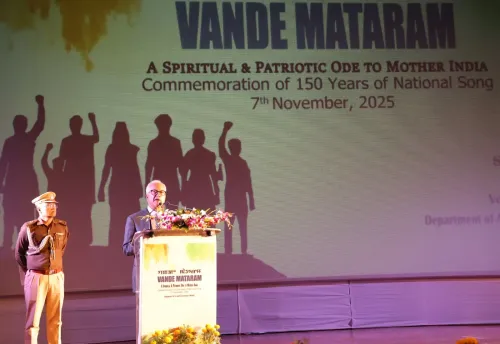
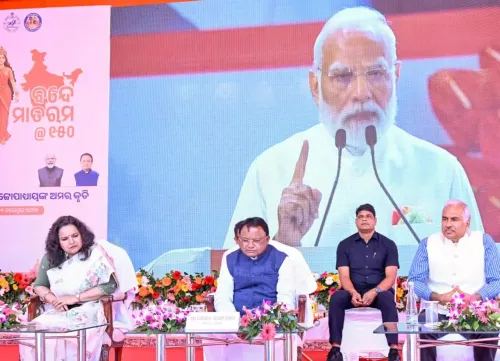
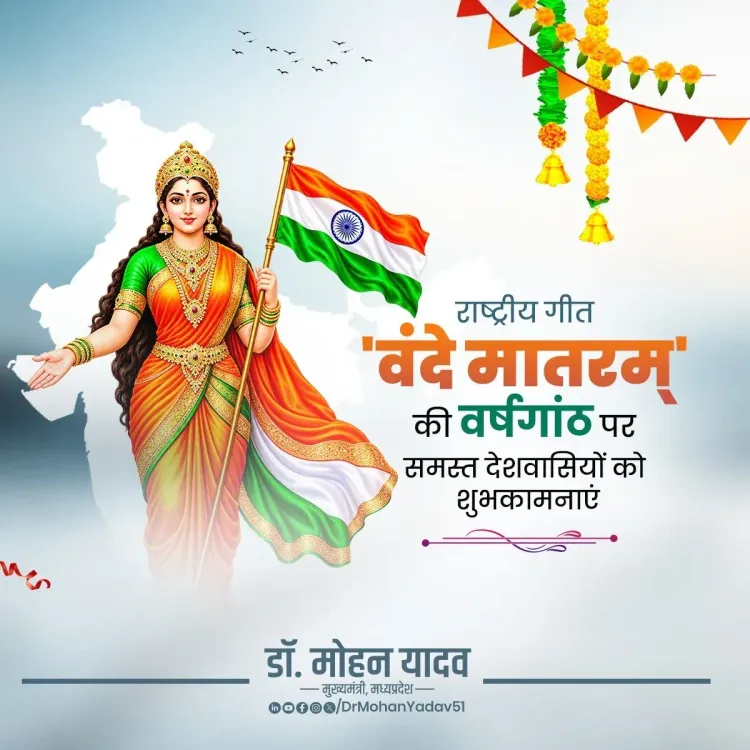
Madhya Pradesh CM Dr. Mohan Yadav marked the 151st anniversary of Vande Mataram on 7 November 2026, honouring the national song as an eternal symbol of freedom, unity, and devotion to the motherland.
Key Takeaways
Vande Mataram marks its 151st anniversary on 7 November 2026 .
Mohan Yadav paid tribute, describing the song as a proclamation of reverence, pride, and national dedication.
The song was composed by Bankim Chandra Chatterjee and first published in 1875 in the novel Anandamath .
It was first sung at an Indian National Congress session in 1896 and became central to the independence movement.
India's Constituent Assembly recognised Vande Mataram as the national song alongside Jana Gana Mana as the national anthem in 1950 .
A song born in a Bengali novel more than a century and a half ago still makes a nation stand straighter. On Saturday, 7 November 2026, Madhya Pradesh Chief Minister Dr. Mohan Yadav marked the 151st anniversary of Vande Mataram, calling India's national song a proclamation of infinite reverence, pride, and dedication to the motherland.
From Bankim Chandra's pen to a nation's battle cry
Vande Mataram was composed by the celebrated Bengali writer Bankim Chandra Chatterjee and first published in 1875 within his landmark novel Anandamath. What began as a literary creation rapidly transcended its pages. By 1896, it was being sung at the Indian National Congress session, and within years it had become the rallying cry of an entire generation of freedom fighters.
CM Yadav's post captured that arc precisely — noting that during the hardest chapters of the independence struggle, this immortal song 'deshvasiyon ke hriday mein azadi ki alakh jagayi' ('lit the flame of freedom in the hearts of the people') and worked to bind the nation in the thread of unity.
The Constituent Assembly's lasting recognition
When India's Constituent Assembly convened in 1950, it gave Vande Mataram formal standing as the national song, placing it alongside Jana Gana Mana as the national anthem — two compositions, two distinct honours, one shared purpose. That constitutional recognition cemented the song's place not just in memory but in the living civic identity of the republic.
Extending heartfelt congratulations and good wishes to all citizens on the occasion, Dr. Yadav's tribute fits a wider pattern of Indian political leadership across party lines marking anniversaries of independence-era cultural symbols — affirming their continued resonance in public life.
Point of View
Invoking Vande Mataram carries particular ideological weight, given the song's historic association with cultural nationalism. The 151-year milestone offers a natural moment to refresh that connection. Such commemorations, routine as they may appear, signal to constituencies that the government views cultural memory as a live political and moral asset — not merely a calendrical obligation.
NationPress
7 Nov 2026
Frequently Asked Questions
When was Vande Mataram composed and by whom?
Vande Mataram was composed by Bengali writer Bankim Chandra Chatterjee and first published in 1875 in his novel Anandamath.
What is the difference between India's national anthem and national song?
Jana Gana Mana is India's national anthem, while Vande Mataram holds the status of national song. Both were recognised by the Constituent Assembly in 1950, but they carry separate ceremonial roles.
Why is Vande Mataram important to India's independence movement?
Vande Mataram became a rallying cry for freedom fighters after it was sung at an Indian National Congress session in 1896, inspiring generations of Indians to resist colonial rule.
What did CM Mohan Yadav say on the 151st anniversary of Vande Mataram?
CM Dr. Mohan Yadav described Vande Mataram as a proclamation of infinite reverence, pride, and dedication to the motherland, and extended heartfelt greetings to all citizens on the anniversary.
How old is Vande Mataram in 2026?
Vande Mataram turns 151 years old in 2026, having first been published by Bankim Chandra Chatterjee in 1875.