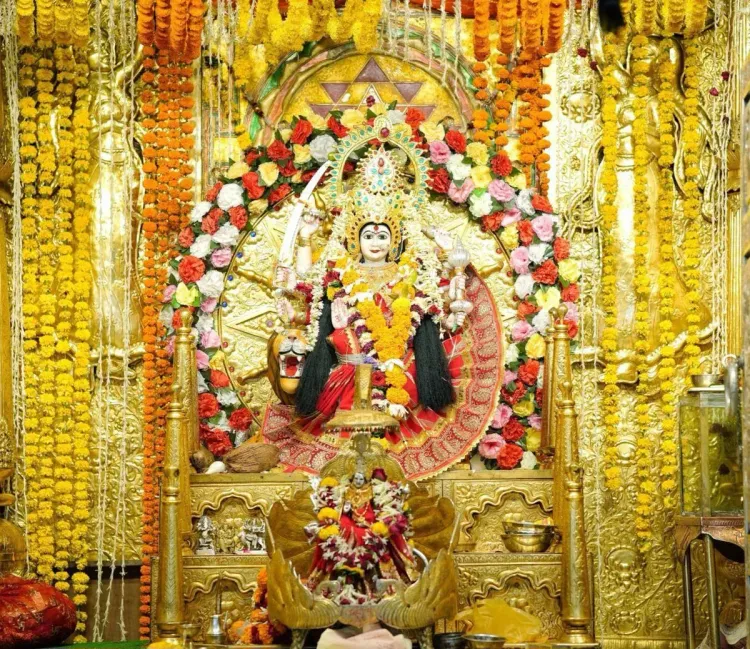
CM Mohan Yadav Seeks Blessings of Bhopal's Kurfew Wali Mata Ji
Synopsis
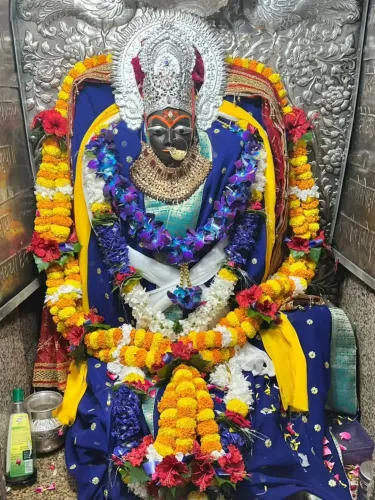
Madhya Pradesh CM Dr. Mohan Yadav on 21 June 2026 invoked a Sanskrit shloka and sought the blessings of Kurfew Wali Mata Ji at Bhopal's Bhavani Chowk temple, wishing peace and auspiciousness for all state residents.
Key Takeaways
Mohan Yadav , Chief Minister of Madhya Pradesh , posted devotional wishes on 21 June 2026 .
He opened with a classical Sanskrit shloka addressed to Mahadevi , the Great Goddess.
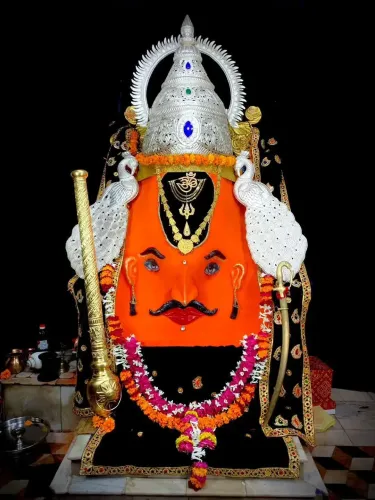
The post specifically invoked Kurfew Wali Mata Ji , the presiding deity at the Bhavani Chowk temple in Bhopal .
The CM wished all Madhya Pradesh residents happiness ( sukh ), peace ( shanti ), and auspiciousness ( shubhatva ).
The Kurfew Wali Mata Ji temple holds both spiritual and historical significance in Bhopal's civic memory.
The post reflects a broader pattern of Indian state leaders engaging publicly with local religious and cultural heritage.
Madhya Pradesh Chief Minister Dr. Mohan Yadav on Sunday, 21 June 2026, invoked the blessings of Kurfew Wali Mata Ji — the presiding deity at the temple in Bhavani Chowk, Bhopal — expressing his wish for peace, happiness, and auspiciousness in the lives of all residents of the state.
Context
The Chief Minister opened his post with a classical Sanskrit shloka: 'Namostu te Mahadevi Shive Kalyani Shambhavi, Prasida Vedavinute Jagadamba Namostu te' — which translates as: 'I bow to you, O Great Goddess, the auspicious one, the consort of Shambhu; be pleased, O Mother of the universe, praised in the Vedas, I bow to you.' The verse is a traditional invocation addressed to the divine feminine.
Dr. Yadav then directed attention to the Kurfew Wali Mata Ji temple at Bhavani Chowk in Bhopal, praying that the deity's grace remain upon all people of Madhya Pradesh, and that their lives be filled with joy, peace, and well-being.
Policy Backdrop
Chief ministers across Indian states routinely share devotional content on social media, particularly invoking Sanskrit shlokas and local temple deities, as part of a broader tradition of weaving religious symbolism into official public communication. Madhya Pradesh, home to numerous historically significant urban temples, has seen consistent state-level engagement with religious and cultural heritage sites.
The Kurfew Wali Mata Ji temple at Bhavani Chowk holds a distinctive place in Bhopal's civic memory. The local appellation — literally 'the mother goddess of the curfew' — is linked to the temple's association with turbulent periods in the city's history, making it a site of both spiritual and historical significance for residents.
Stakeholders and Impact
The post is addressed to all Madhya Pradesh residents, with the Chief Minister explicitly stating his wish — 'yahi mangalkamna karta hoon' ('this is the good wish I offer') — that happiness, peace, and auspiciousness dwell in everyone's life. Local devotees of the Bhavani Chowk temple and the wider community of faith in Bhopal are the immediate audience.
Such public invocations by a sitting chief minister also serve to highlight local temples, potentially drawing attention to their cultural and touristic value within the state's broader religious-tourism landscape.
What's Next
It remains to be seen whether this post precedes any formal state government initiative around temple conservation, heritage tourism circuits, or civic development in the Bhavani Chowk area of Bhopal. Observers will watch for any follow-up announcements by the Madhya Pradesh government on religious tourism or urban heritage projects. Dr. Mohan Yadav's continued engagement with the state's temple culture signals that such themes are likely to remain a visible strand of his public communication.
Point of View
Anchoring his public persona in the city's deepest local identity. By pairing a classical Sanskrit shloka with a hyper-local Bhopal reference, the Chief Minister bridges pan-Hindu devotional tradition with neighbourhood-level civic sentiment. This pattern of temple-centric communication has become a consistent feature of BJP-led state governments, serving simultaneously as spiritual outreach and soft cultural governance. Whether it translates into tangible policy — such as heritage conservation or religious-tourism investment in Bhavani Chowk — will be the real measure of its intent.
NationPress
21 Jun 2026
Frequently Asked Questions
Who is Kurfew Wali Mata Ji in Bhopal?
Kurfew Wali Mata Ji is the local name for the presiding goddess at the temple in Bhavani Chowk, Bhopal. The name is historically linked to periods of curfew in the city, making the temple a site of both spiritual devotion and civic memory for Bhopal residents.
What did MP CM Mohan Yadav post on 21 June 2026?
CM Dr. Mohan Yadav shared a Sanskrit shloka invoking the Great Goddess and prayed for the blessings of Kurfew Wali Mata Ji at Bhavani Chowk, Bhopal, wishing happiness, peace, and auspiciousness for all Madhya Pradesh residents.
Where is the Kurfew Wali Mata Ji temple located?
The Kurfew Wali Mata Ji temple is located at Bhavani Chowk in Bhopal, the capital city of Madhya Pradesh.
What does the Sanskrit shloka posted by CM Mohan Yadav mean?
The shloka — 'Namostu te Mahadevi Shive Kalyani Shambhavi' — is a classical invocation meaning 'I bow to you, O Great Goddess, the auspicious one, consort of Shambhu, praised in the Vedas, O Mother of the universe, I bow to you.'
Why do Indian chief ministers post religious content on social media?
Sharing devotional shlokas and temple references is a long-standing practice among Indian state leaders, used to convey public welfare wishes and to connect with local cultural and religious identity. It also serves to highlight historically significant temples and heritage sites.