CM Naidu Greets Ongole on 150 Years as a Municipality
Synopsis
Andhra Pradesh CM N. Chandrababu Naidu congratulated Ongole on its 150th municipal anniversary, celebrating the city's growth from 9,000 to over three lakh residents, invoking the iconic Ongole cattle breed and freedom fighter Tanguturi Prakasam, and calling for a clean, green urban future.
Key Takeaways
Ongole Municipality was established in 1876 with a population of approximately 9,000 and has grown to over three lakh residents today.
The sesquicentennial is being celebrated as 'Ongole Utsavam' under the theme 'Mana Ooru...
Mana Gnaapakam' (Our Town, Our Celebration, Our Memory).
CM Naidu highlighted the Ongole cattle breed and freedom fighter Tanguturi Prakasam (Andhra Kesari) as the twin symbols of Ongole's identity.
Naidu called on every citizen to participate in environmental protection and pledged a clean, green, and modern city for future generations.
Congratulations were extended to elected representatives, district officials , and the broader administrative machinery organising the celebrations.
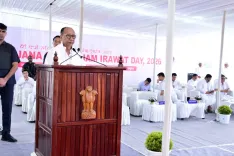
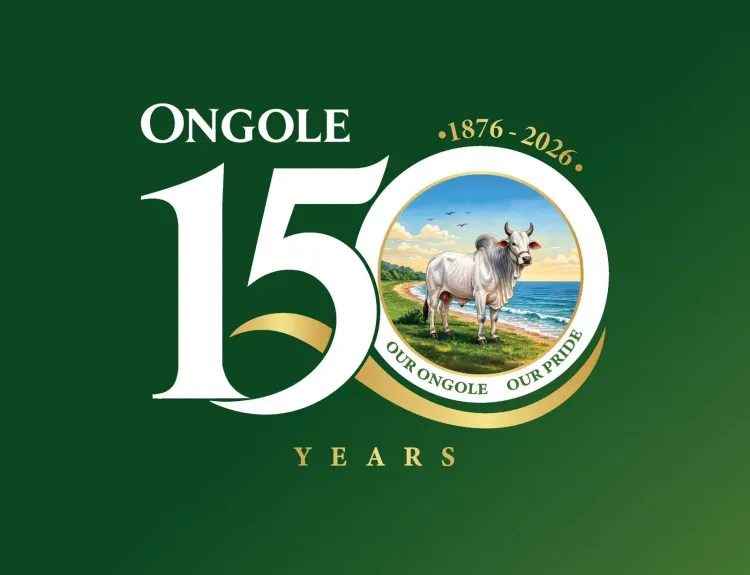
One hundred and fifty years ago, a small settlement of 9,000 people on the Andhra coast was formally constituted as a municipality. Today, Ongole — headquarters of Prakasam district — is a city of over three lakh residents, and Andhra Pradesh Chief Minister N. Chandrababu Naidu marked the milestone on Wednesday, 30 September 2026, with a heartfelt message to its citizens as they celebrate 'Ongole Utsavam' — the city's sesquicentennial festival.
From 9,000 to Three Lakh: A Century and a Half of Growth
Ongole Municipality was formally constituted in 1876, making it one of the older civic bodies in the Telugu-speaking region. Naidu's post traces that arc with pride — a journey from a modest town to a thriving urban centre that has crossed several historical milestones along the way. The festival being celebrated under the theme 'Mana Ooru... Mana Sambaram... Mana Gnaapakam' — 'Our Town... Our Celebration... Our Memory' — frames the anniversary not just as civic history but as collective identity.
The Ongole Bull and Andhra Kesari: Two Symbols That Define a City
What makes Ongole instantly recognisable? Naidu answers that with two anchors of local pride. The first is the Ongole cattle breed — the indigenous bull long regarded as a symbol of strength and vigour, whose fame has spread well beyond Andhra Pradesh. The second is Tanguturi Prakasam, the towering freedom fighter and first Chief Minister of the Andhra State, honoured with the title Andhra Kesari — the Lion of Andhra — whose legacy is inseparable from this soil. Together, they give Ongole a cultural weight that outlasts any administrative boundary.
Naidu's Call: Green, Clean, and Modern — for Future Generations
The Chief Minister's message is not purely nostalgic. Naidu pairs the celebration of past glory with a forward-looking pledge — to deliver a clean, green, and modern city to future generations. He explicitly calls on every citizen to become a partner in environmental protection, embedding an ecological appeal inside what could easily have been a ceremonial note. This is consistent with Naidu's broader push across Andhra Pradesh's tier-2 and tier-3 urban centres to link local pride with sustainable urban development.
He also extended congratulations to the elected representatives, district officials, and the administrative machinery organising the Ongole Utsavam festivities — acknowledging the institutional effort behind a celebration of this scale.
Ongole has marked 150 years. The next chapter — greener, better-planned, and more liveable — is the one its citizens are now being asked to write together.
Point of View
Sustainable urban development — into civic consciousness. By invoking the Ongole bull and Andhra Kesari in the same breath as a clean-city pledge, Naidu anchors a modernisation agenda in deep cultural pride, making it harder to resist. For a TDP government rebuilding its administrative credibility in Andhra Pradesh, such messaging also serves to strengthen grassroots connect ahead of future electoral cycles in districts like Prakasam.
NationPress
30 Sept 2026
Frequently Asked Questions
When was Ongole Municipality established?
Ongole Municipality was formally established in 1876 , making 2026 its 150th anniversary . It began with a population of approximately 9,000 people.
What is Ongole Utsavam?
Ongole Utsavam is a civic festival celebrating the 150th anniversary of Ongole Municipality, organised under the theme 'Mana Ooru... Mana Sambaram... Mana Gnaapakam' — meaning 'Our Town, Our Celebration, Our Memory.'
Who is Tanguturi Prakasam and why is he linked to Ongole?
Tanguturi Prakasam , known as Andhra Kesari (Lion of Andhra), was a prominent Indian freedom fighter and the first Chief Minister of the Andhra State. He is closely associated with the Ongole region and remains a symbol of its historical legacy.
What is the Ongole cattle breed?
The Ongole cattle breed is an indigenous Indian bull breed originating from the Ongole region of Andhra Pradesh. It is renowned for its strength and has achieved international recognition, becoming a symbol of the city's identity.
What did CM Chandrababu Naidu say about Ongole's future?
CM N. Chandrababu Naidu called for building a clean, green, and modern Ongole for future generations, urging every citizen to actively participate in environmental protection alongside celebrating the city's 150-year legacy.