CM Nayab Saini heads to Sweden in Haryana FDI push
Synopsis
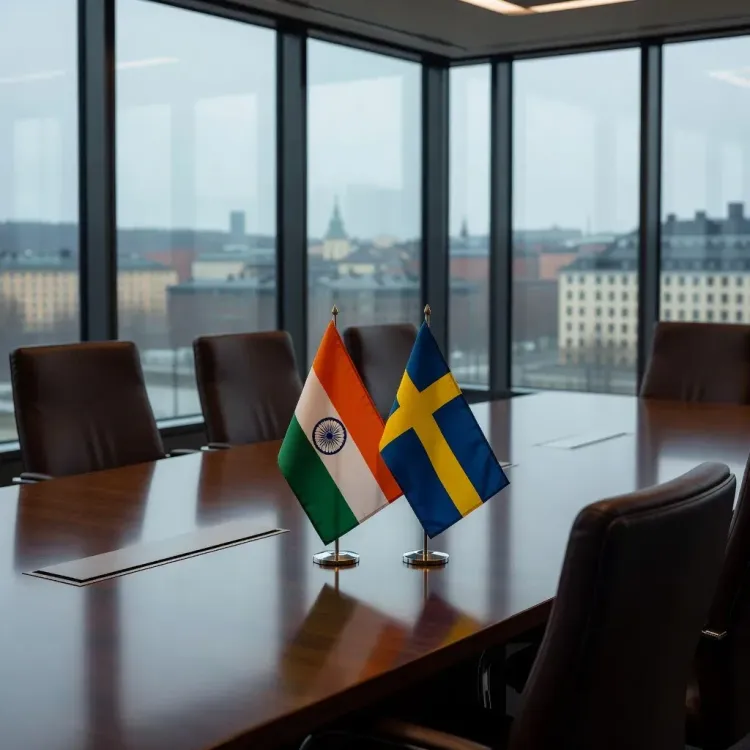
Haryana Chief Minister Nayab Saini is on an official visit to Sweden, announced on October 14, 2026, aiming to attract Nordic investment in green technology, renewables, and advanced manufacturing into the state.
Key Takeaways
Haryana CM Nayab Saini is on an official visit to Sweden , confirmed by the Chief Minister's Office on October 14, 2026 .
Sweden is a key Nordic partner for India in telecom, green energy, and defence — sectors aligned with Haryana's industrial priorities.
Saini took office in March 2024 , succeeding Manohar Lal Khattar, and has pursued an active investor-outreach agenda.
Haryana's economy spans automobiles, agro-processing, and IT , with major hubs in Gurugram and Faridabad.
Potential MoUs and investment commitments from Swedish firms are the key outcomes to watch from this visit.
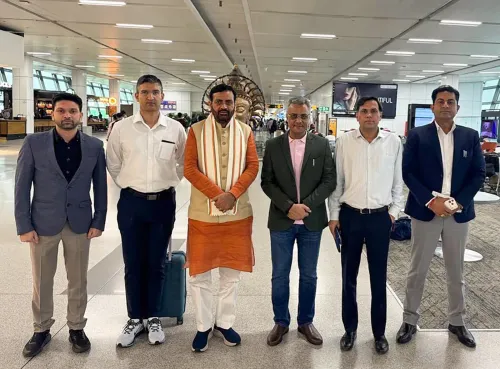
Haryana is taking its investment pitch to Scandinavia. Chief Minister Nayab Saini is on an official visit to Sweden, the Chief Minister's Office of Haryana announced on Wednesday, October 14, 2026, signalling the state's ambition to tap Nordic expertise in green technology, advanced manufacturing, and innovation.
Why Sweden, and why now
Sweden is not a random stop on a diplomatic itinerary. The Nordic nation has deep industrial roots in telecom, clean energy, and defence — sectors that map almost precisely onto Haryana's own priority corridors of automobiles, renewables, and skill development. Swedish multinationals have long maintained a presence across India, and a direct state-level engagement signals Haryana's intent to move beyond passive wait-and-watch FDI strategy into active competitive courtship of global capital.
Since Nayab Saini took office in March 2024, succeeding Manohar Lal Khattar, the BJP-led government has leaned into an investor-outreach posture — part of a wider pattern of Indian state governments bypassing purely central-government channels to build bilateral industrial partnerships directly with foreign nations and companies.
Haryana's industrial profile meets Sweden's green edge
Haryana borders Delhi and anchors one of India's most productive manufacturing belts, with established clusters in automobiles, agro-processing, and information technology. Sweden, for its part, brings world-class capabilities in sustainable technology and innovation systems — areas where Haryana's next phase of industrial growth could find a credible partner. The convergence is genuine, not ceremonial.
The key watch-points from the visit will be any memoranda of understanding (MoUs) or concrete investment commitments signed with Swedish firms, and whether follow-up delegations translate the diplomatic goodwill into plant-level decisions back in Haryana.
The bigger play: state diplomacy as economic strategy
India's federal structure does not formally vest foreign policy powers in states — but in practice, chief ministers have become the country's most aggressive investment diplomats, travelling to Europe, East Asia, and the Gulf to secure commitments that then feed into state industrial policies. Saini's Sweden leg is a chapter in that evolving playbook. The proof will arrive not in photographs from Stockholm, but in investment files opened in Gurugram and Faridabad months from now.
Point of View
Aligning with Sweden's green-tech and defence industrial base could complement the state's ambition to anchor India's electric vehicle and renewable supply chains. The real test, however, is execution: state-level diplomatic visits have historically produced more MoU signings than actual capital deployment, and Saini's government will need credible follow-through to distinguish this trip from routine optics.
NationPress
14 Oct 2026
Frequently Asked Questions
Why is Haryana CM Nayab Saini visiting Sweden?
CM Nayab Saini's Sweden visit is aimed at attracting foreign direct investment and building industrial partnerships, particularly in green technology, renewables, and advanced manufacturing sectors where Sweden has global expertise.
When did Nayab Saini become Chief Minister of Haryana?
Nayab Saini became Chief Minister of Haryana in March 2024, succeeding Manohar Lal Khattar as the BJP's choice to lead the state government.
What industries is Haryana trying to attract investment in?
Haryana has prioritised investment in automobiles, renewable energy, agro-processing, information technology, and skill development — areas that align closely with Swedish industrial and technological strengths.
What is the expected outcome of the Haryana-Sweden visit?
The key outcomes to watch are MoUs or investment commitment announcements with Swedish companies, and follow-up meetings that could translate into actual industrial projects in Haryana.
Which Indian states regularly conduct foreign investment outreach tours?
Several states including Maharashtra, Tamil Nadu, Gujarat, Telangana, and Haryana regularly send their chief ministers on foreign outreach tours to Europe, East Asia, and the Gulf to attract FDI ahead of investor summits.