CM Rekha Gupta dedicates 11-km Chhath Ghat on Munak Canal
Synopsis
Delhi Chief Minister Rekha Gupta marked the dedication of an 11-km Chhath Ghat on the rehabilitated Munak Canal, once a dumping ground, to the city's Purvanchali community — with BJP national president Nitin Nabin formally handing over the landmark project on 12 November 2026.
Key Takeaways
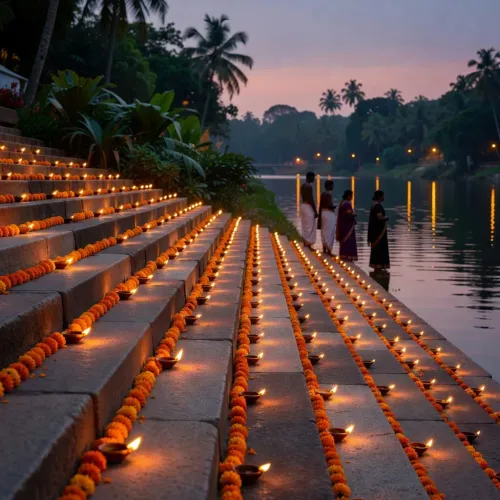
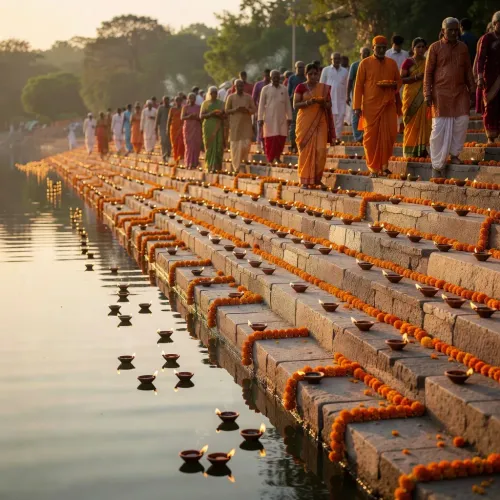
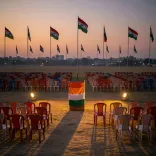
An 11-kilometre Chhath Ghat has been built along the Munak Canal in Delhi and dedicated to the public on 12 November 2026 .
BJP national president Nitin Nabin formally inaugurated the ghat and the widening of Singhpur Road at the same event.
The Munak Canal banks were previously described as a dumping ground by multiple administrations; the BJP government undertook the redevelopment within its first year in office.
The project is framed as cultural recognition for Delhi's large Purvanchali community from Bihar and eastern Uttar Pradesh, for whom clean riverside ghats are central to Chhath Puja rituals.
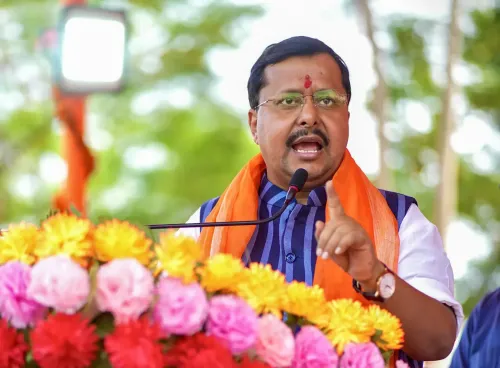
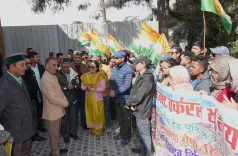
Delhi BJP president and Union Minister of State Harsh Malhotra , alongside MPs, cabinet ministers, and MLAs, attended the inauguration.
CM Gupta positioned the project under the BJP's national slogan 'Vikas bhi, virasat bhi' — development alongside cultural heritage.
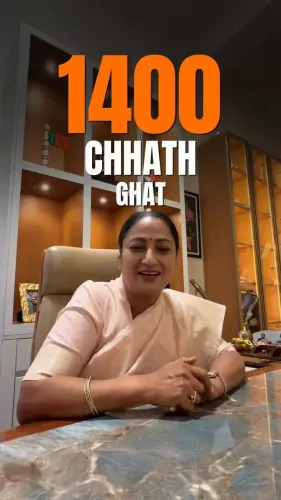
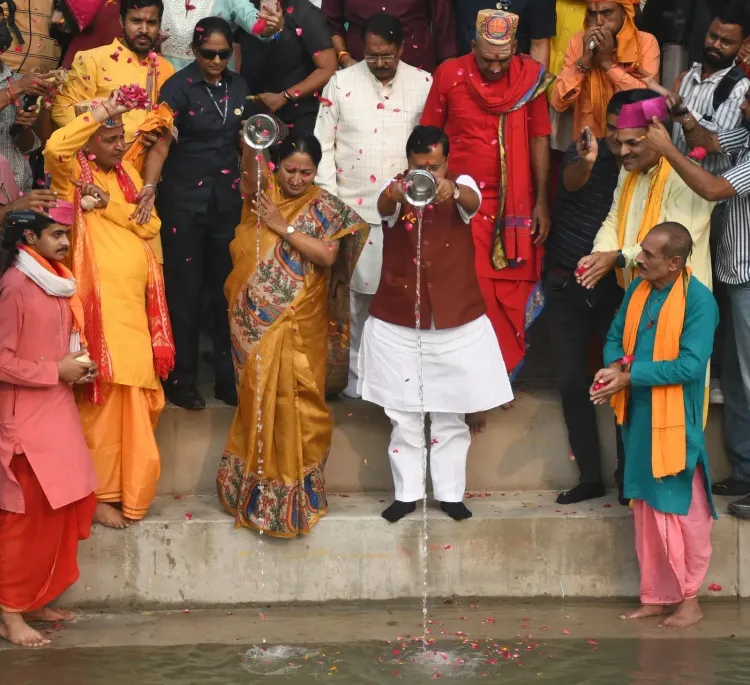
A stretch of water canal once dismissed as Delhi's open dumping ground was transformed into an 11-kilometre Chhath Ghat — and on Thursday, 12 November 2026, Delhi Chief Minister Rekha Gupta formally celebrated its dedication to the city, marking what she called a year's worth of round-the-clock effort compressed into a single landmark moment for the capital's Purvanchali community.
From dumping ground to Chhathi Maiya's threshold
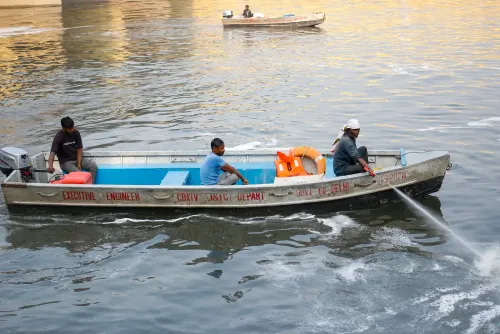
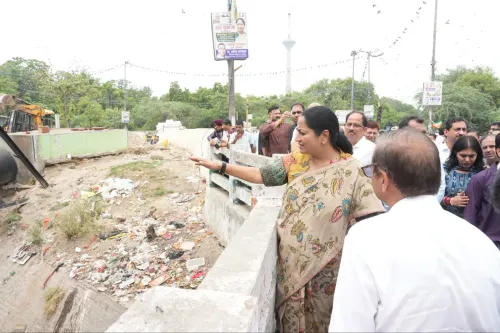
The ghat runs along the Munak Canal, a major water-supply channel originating from the Yamuna in Haryana that feeds drinking and irrigation water into large parts of Delhi. For years, CM Gupta said, previous governments allowed the canal's banks to function as a dumping ground for waste — a civic failure she described bluntly in Hindi: the site had become a kachre ka ambar (mountain of garbage). The BJP government set out to reverse that, and the result is now on public display.
Writing on X, CM Gupta framed the project as the fulfilment of a political promise: 'Aapke ek vote ne Dilli mein kamal khilaya' — 'Your one vote made the lotus bloom in Delhi' — and said that within one year of that mandate, Purvanchali brothers and sisters had received a 'grand Chhath Ghat.' The language was deliberate: for a community whose identity is inseparable from the festival's riverside rituals, a purpose-built, clean ghat is not just civic infrastructure. It is cultural recognition.
BJP national president inaugurates the stretch and Singhpur Road widening
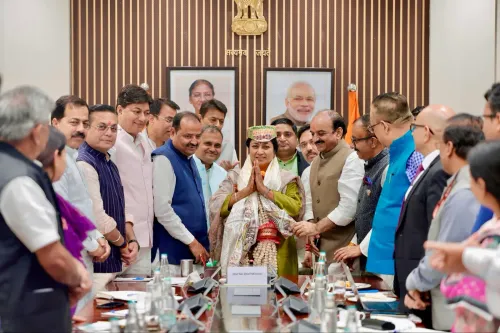
BJP national president Nitin Nabin formally dedicated the ghat and the widening work on Singhpur Road to the people of Delhi at the event. Delhi BJP president and Union Minister of State Harsh Malhotra was present alongside members of Parliament, cabinet colleagues, and legislators — signalling the political weight the party attaches to both the project and the constituency it serves.
Chhath Puja is a four-day festival dedicated to the Sun God and Chhathi Maiya, observed by communities tracing roots to Bihar and eastern Uttar Pradesh — the Purvanchali belt. Its central rituals, the arghya offerings at sunrise and sunset, demand clean, accessible water bodies. Delhi's Purvanchali population runs into millions, making Chhath infrastructure both a civic necessity and a significant electoral consideration.
'Vikas bhi, virasat bhi' — development and heritage, together
CM Gupta described the Munak Canal ghat as a living example of the BJP's governing slogan 'Vikas bhi, virasat bhi' — development alongside heritage. It is a phrase borrowed directly from the party's national vocabulary, now applied at the municipal scale: a water-channel rehabilitation that doubles as a religious infrastructure project. The canal's transformation — drainage management, embankment reinforcement, ghats with steps and lighting — reflects a pattern seen in other BJP-governed states, where riverfront and canal redevelopment serves civic, cultural, and political objectives simultaneously.
The administration has not announced a formal cost figure in this communication, but the scope — 11 kilometres of ghat construction completed within a year — will inevitably invite scrutiny on delivery timelines and budget utilisation as the project enters public use and audit cycles.
What the Purvanchali community gains
For the Purvanchali diaspora in Delhi, the absence of dedicated, clean Chhath ghats has long meant overcrowding at the Yamuna's already-stressed banks or makeshift arrangements in parks and flyover underpasses. A purpose-built, 11-km continuous ghat on the Munak Canal offers scale, accessibility, and — critically — the dignity that the community has repeatedly asked successive Delhi governments to provide. Whether water quality and maintenance hold through subsequent festival seasons will determine whether the project becomes a durable civic asset or a photo-opportunity.
Point of View
Visible proof-point against the AAP decade's legacy narrative. The Purvanchali vote in Delhi, running into several million, has historically been a floating bloc; a dedicated ghat of this scale is a durable patronage signal that transcends election cycles. The harder governance test, water quality maintenance and long-term upkeep, will determine whether this becomes a model replicated across Delhi's water bodies or a one-time political spectacle.
NationPress
12 Nov 2026
Frequently Asked Questions
What is the new Chhath Ghat built in Delhi?
An 11-kilometre Chhath Ghat has been constructed along the Munak Canal in Delhi. It was dedicated to the public on 12 November 2026 and is designed to provide the Purvanchali community with clean, accessible space for Chhath Puja rituals.
What is the Munak Canal and why is it significant for Delhi?
The Munak Canal originates from the Yamuna in Haryana and is a key source of drinking and irrigation water for Delhi. Its banks were previously neglected and used as a dumping ground; the BJP government redeveloped them into a continuous Chhath Ghat.
Who inaugurated the Chhath Ghat on the Munak Canal?
BJP national president Nitin Nabin formally dedicated the ghat and the Singhpur Road widening project to Delhi's residents at the event on 12 November 2026, with Chief Minister Rekha Gupta and other senior BJP leaders present.
What is Chhath Puja and why do Delhi's Purvanchalis need dedicated ghats?
Chhath Puja is a four-day Hindu festival honouring the Sun God and Chhathi Maiya, observed primarily by communities from Bihar and eastern Uttar Pradesh. Its key rituals require clean water bodies at sunrise and sunset, making accessible ghats essential for Delhi's large Purvanchali population.
What is the BJP's 'Vikas bhi, virasat bhi' slogan?
'Vikas bhi, virasat bhi' means 'development as well as heritage' and is a BJP governing philosophy that combines physical infrastructure projects with the preservation or promotion of cultural and religious traditions — applied here to the Munak Canal ghat project.