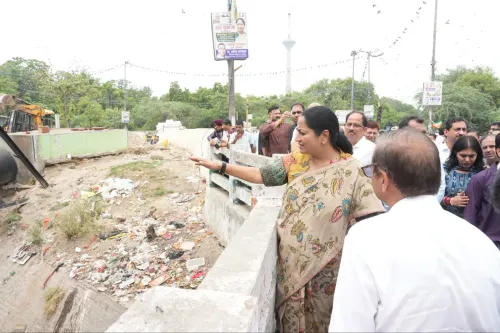
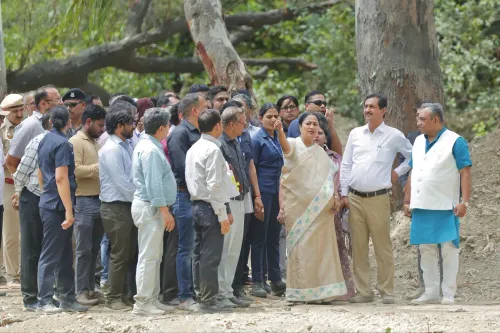
CM Rekha Gupta inaugurates Delhi's longest Chhath Ghat at Munak Nahar
Synopsis
Delhi Chief Minister Rekha Gupta on November 12, 2026, announced the live inauguration of Delhi's longest Chhath Ghat at Munak Nahar and Singalpur Road, expanding festival infrastructure for the capital's large Bihari and eastern UP migrant community ahead of Chhath Puja.
Key Takeaways
Delhi CM Rekha Gupta announced the inauguration of the capital's longest Chhath Ghat on November 12, 2026 .
The ghat is located at Munak Nahar canal and Singalpur Road in northwest Delhi.
The inauguration was performed by Shri Nitin Nabin Ji and streamed live on X.
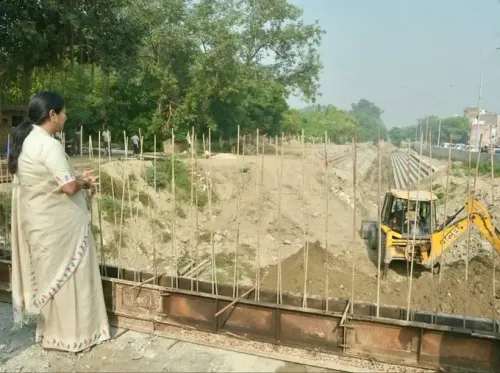
Munak Nahar is a historic northwest Delhi canal system now being developed as a public ceremonial space for festivals.
The development is part of a broader BJP pattern of building visible Chhath infrastructure targeting Delhi's large Bihari and eastern UP migrant voter base.
Capacity, facilities, and further ghat announcements before the Chhath festival dates remain points to watch.
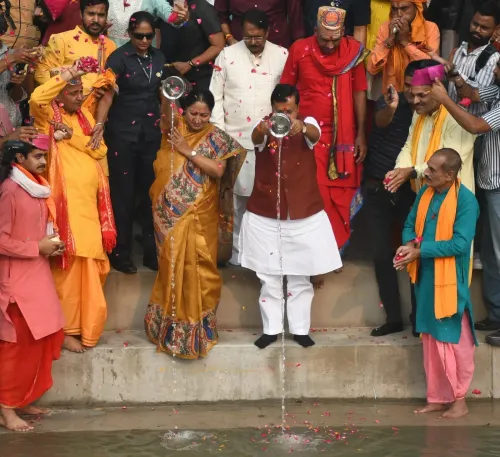
Just weeks before the annual Chhath festival draws millions of devotees to Delhi's waterways, Delhi Chief Minister Rekha Gupta announced the live inauguration of the capital's longest Chhath Ghat at Munak Nahar and Singalpur Road on Thursday, November 12, 2026 — a civic milestone for one of Delhi's most devout migrant communities.
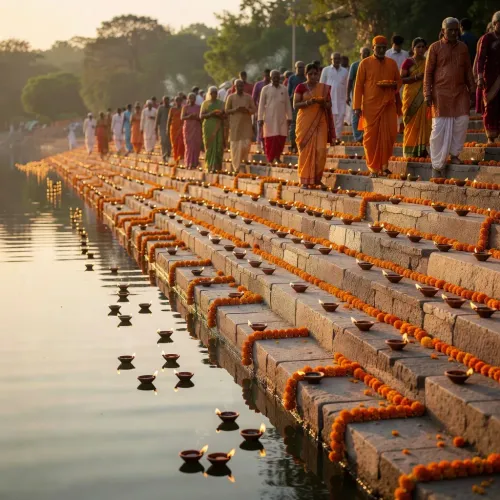
Delhi's longest Chhath Ghat takes shape at Munak Nahar
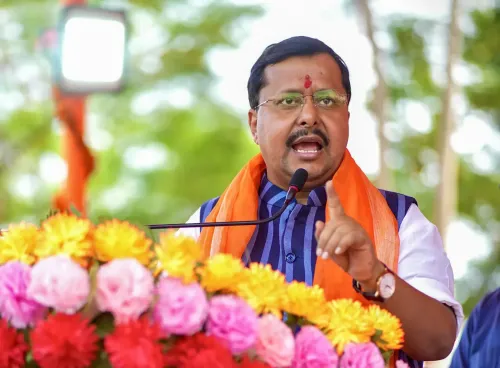
The ghat, inaugurated by Shri Nitin Nabin Ji, stretches along the Munak Nahar canal system in northwest Delhi — a water body historically used for supply infrastructure and now being reimagined as a ceremonial public space. CM Gupta shared the inauguration live on X, underscoring the administration's intent to put the event directly in front of Delhi's large Bihari and eastern Uttar Pradesh migrant population.
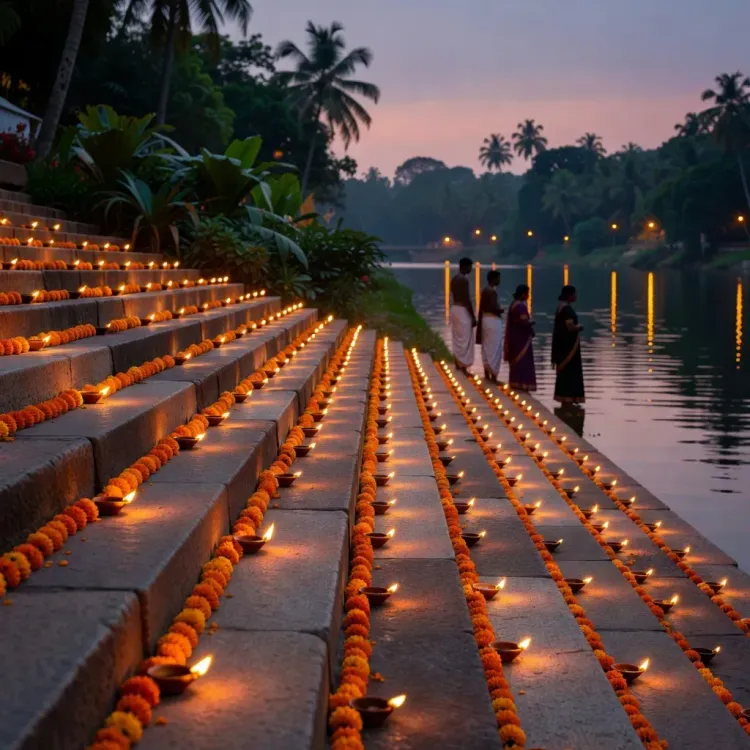
Chhath Puja, the ancient Sun-worship festival, is among the most logistically demanding observances in Delhi. Hundreds of thousands of devotees gather at dawn and dusk over four days to offer arghya (water offerings) at designated ghats — placing enormous pressure on riverbank and canal infrastructure to deliver safe, accessible, and dignified spaces.
Ghat development as cultural infrastructure — and political signal
BJP-led administrations in Delhi and elsewhere have consistently prioritised the construction and upgrading of festival ghats as a visible marker of governance for communities with roots in Bihar and eastern Uttar Pradesh. These communities form a significant electoral constituency across Delhi's constituencies, and dedicated Chhath infrastructure carries both civic weight and political salience.
Delhi governments across parties have built ghats along the Yamuna and its tributary canals over successive years. The claim of 'Delhi's longest Chhath Ghat' at Munak Nahar raises the bar on that competition — signalling scale, not just intent.
What devotees can expect this Chhath season
With the ghat now inaugurated, attention turns to its capacity: how many devotees it can safely accommodate, what facilities — lighting, changing rooms, sanitation — have been installed, and whether the administration will announce further ghat upgrades at other sites before the festival dates arrive. Scale of turnout will be the real test of whether the infrastructure delivers on its promise.
For Delhi's vast community of Chhath worshippers, the launch of a purpose-built, large-scale ghat on the Munak Nahar is not a ceremonial ribbon-cutting — it is a direct answer to years of overcrowding at the Yamuna's banks. The water is waiting. The devotees will follow.
Point of View
Photographable, and aimed squarely at migrant communities from Bihar and eastern UP who have historically swung Delhi assembly contests. For CM Rekha Gupta, streaming the inauguration live on X amplifies reach beyond the ghat itself, turning a local ribbon-cutting into a capital-wide declaration of intent. The 'longest ghat' framing also sets a benchmark that opposition parties will now feel pressure to match or challenge. Whether the infrastructure translates into smoother, safer Chhath observance — or remains a campaign visual — depends on the operational details that follow the launch.
NationPress
12 Nov 2026
Frequently Asked Questions
Where is Delhi's longest Chhath Ghat located?
Delhi's longest Chhath Ghat is located at Munak Nahar canal and Singalpur Road in northwest Delhi, inaugurated on November 12, 2026.
Who inaugurated the Chhath Ghat at Munak Nahar?
The ghat was inaugurated by Shri Nitin Nabin Ji, as announced by Delhi Chief Minister Rekha Gupta via a live stream on X.
What is Munak Nahar?
Munak Nahar is a canal system in northwest Delhi historically used for water supply. It is increasingly being developed as a public space for festival ghats.
Why is Chhath Ghat infrastructure important in Delhi?
Chhath Puja draws hundreds of thousands of devotees in Delhi, primarily from Bihar and eastern UP. Dedicated ghats ease overcrowding at the Yamuna and provide safer, more accessible worship spaces.
What is the political significance of Chhath Ghat development in Delhi?
BJP-led administrations have prioritised visible Chhath infrastructure as cultural outreach to Delhi's large Bihari and eastern UP migrant communities, who form a significant electoral constituency across the capital.