CM Rekha Gupta Pays Tribute on Valmiki Jayanti
Synopsis
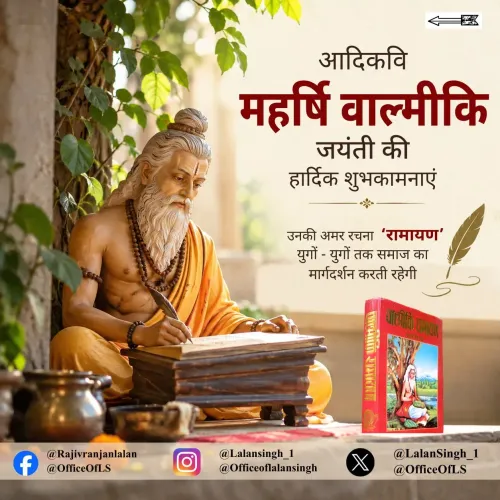
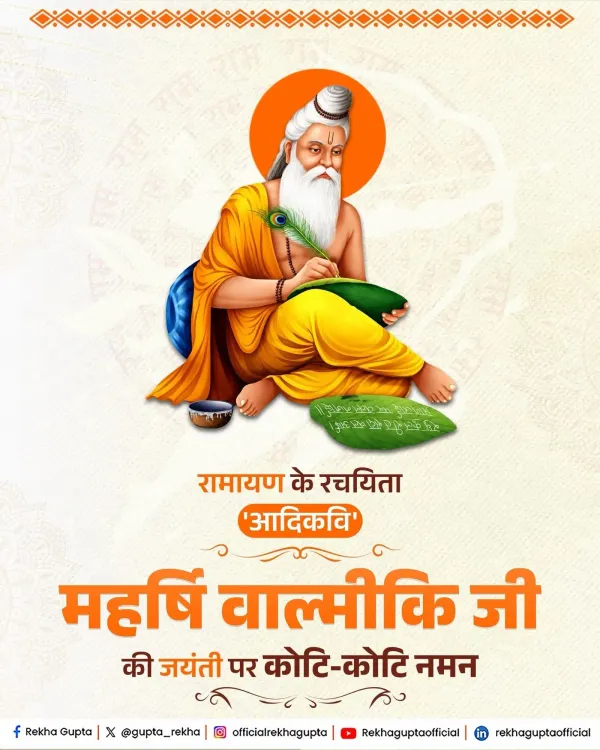
Delhi Chief Minister Rekha Gupta marked Valmiki Jayanti on 26 October 2026 with a tribute to the Adi Kavi, calling his Ramayana an immortal testament to Lord Rama's glory and the eternal ideals of dharma, truth, and maryada.
Key Takeaways
Delhi CM Rekha Gupta posted a tribute on 26 October 2026 marking Valmiki Jayanti , the birth anniversary of the Adi Kavi.
Maharshi Valmiki is revered as the composer of the original Sanskrit Ramayana , comprising roughly 24,000 verses .
Gupta hailed Valmiki's work as having immortalised Lord Rama's ideals of dharma , satya , and maryada 'for age upon age.' The tribute invoked three consistent BJP cultural themes: Ram-bhakti, Sanatan culture, and universal human welfare.
Valmiki Jayanti is observed on the full moon of the Hindu month of Ashwin each year, with wide community participation across India.
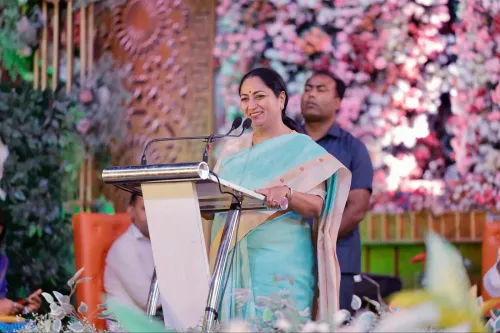
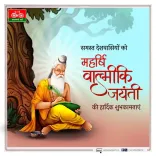
On the birth anniversary of Maharshi Valmiki — the ancient sage revered as the Adi Kavi (first poet) and composer of the Sanskrit epic Ramayana — Delhi Chief Minister Rekha Gupta offered her homage on Monday, 26 October 2026, invoking the timeless ideals the sage enshrined in verse thousands of years ago.
In her post, CM Gupta expressed 'countless salutations' to the sage and extended 'heartfelt wishes to all fellow countrymen,' describing Valmiki's divine composition as having immortalised Lord Rama's glory, his transcendent character, and the great ideals of dharma (righteousness), satya (truth), and maryada (dignity) 'for age upon age.'
The Sage Who Gave Rama an Eternal Stage
Maharshi Valmiki is celebrated across the Hindu tradition as the author of the original Sanskrit Ramayana, a text of roughly 24,000 verses that became the foundational source for countless regional retellings across South and Southeast Asia. The title Adi Kavi — the first poet — reflects the belief that Valmiki invented the shloka metre itself, giving Sanskrit poetry its rhythmic heartbeat. Valmiki Jayanti, observed on the full moon of the Hindu month of Ashwin, marks his birth each year with processions and recitations in communities across India.
Ram-Bhakti, Sanatan Culture, and a Recurring Political Rhythm
CM Gupta's message wove together three strands that have become a consistent thread in BJP leaders' public communications: devotion to Lord Rama, pride in Sanatan (eternal) culture, and the universal humanitarian message she says is embedded in Valmiki's verse. She described the sage's immortal words as carrying 'the power of Ram-bhakti, the glory of Sanatan culture, and the eternal message of welfare for all humanity.'
Indian political leaders across the spectrum routinely mark Valmiki Jayanti with public tributes, but the Ramayana's centrality to BJP's cultural framing gives the day particular resonance for party figures. The messaging fits a broader pattern of engagement with Ramayana-linked observances — from Ram Navami to the consecration of the Ram Mandir in Ayodhya — that the party has made a signature of its public identity.
For Delhi's Chief Minister, leading such tributes also carries local weight: the capital's large Valmiki community holds the sage as a patron saint, and processions in neighbourhoods such as Valmiki Mandir, Mandir Marg draw significant participation each year.
Point of View
Reinforcing the party's Sanatan identity before its core base. For Rekha Gupta, newly installed as Delhi's Chief Minister, such public observances also serve a local constituency purpose — the capital's Valmiki community is sizeable and politically engaged. The messaging sits within a broader arc that stretches from the Ram Mandir consecration to recurring Ram Navami addresses, using classical heritage as a vehicle for contemporary cultural assertion. Neutral in its devotional register, the post nonetheless signals that Rekha Gupta intends to maintain the Ramayana as a consistent touchstone of her public communication.
NationPress
26 Oct 2026
Frequently Asked Questions
When is Valmiki Jayanti 2026?
Valmiki Jayanti in 2026 falls on 26 October , observed on the full moon day of the Hindu month of Ashwin.
Who is Maharshi Valmiki?
Maharshi Valmiki is the ancient sage revered as the Adi Kavi — the first poet — and the composer of the Sanskrit epic Ramayana , a work of roughly 24,000 verses that has shaped Hindu and broader South Asian culture for millennia.
What did Delhi CM Rekha Gupta say on Valmiki Jayanti 2026?
CM Rekha Gupta offered 'countless salutations' to Maharshi Valmiki and extended wishes to all Indians, praising his Ramayana as having immortalised Lord Rama's glory and the ideals of dharma, truth, and maryada for all ages.
Why do Indian leaders mark Valmiki Jayanti?
Valmiki Jayanti is a significant cultural and religious observance for millions of Hindus, particularly the Valmiki community. Political leaders issue tributes to acknowledge the sage's literary and spiritual legacy and to engage with communities that hold him as a patron saint.
What is the significance of the Ramayana in Indian culture?
The Ramayana , composed by Maharshi Valmiki , is one of the two great Sanskrit epics of India and a foundational text for Hindu tradition. It has inspired countless regional retellings, performing arts traditions, and moral frameworks across South and Southeast Asia.