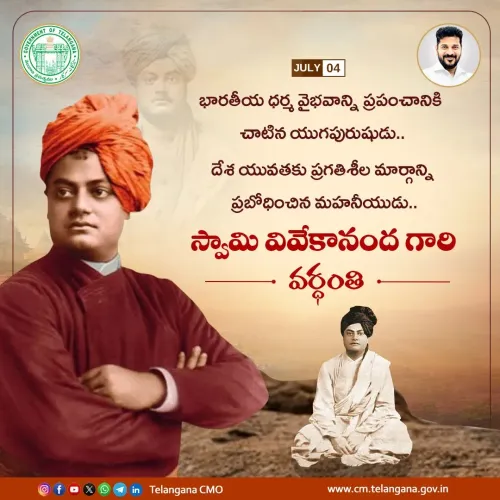
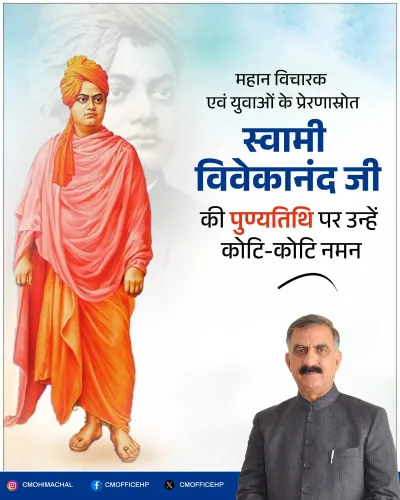
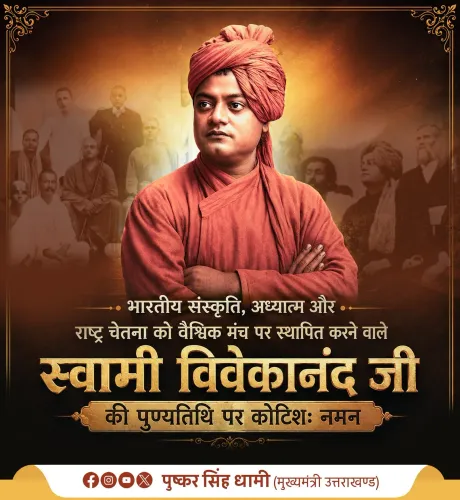
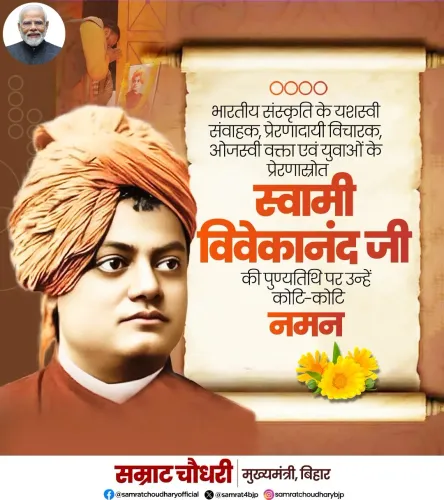
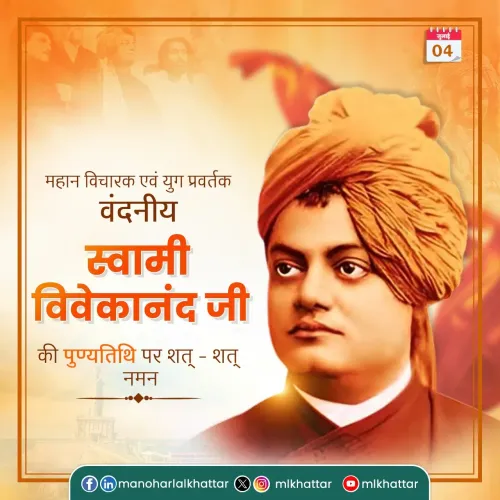
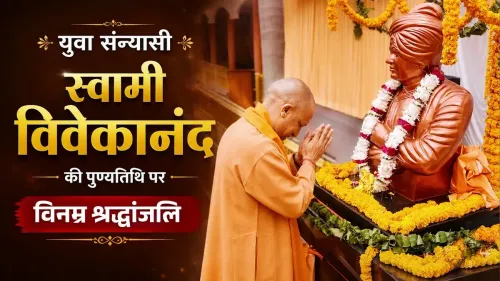
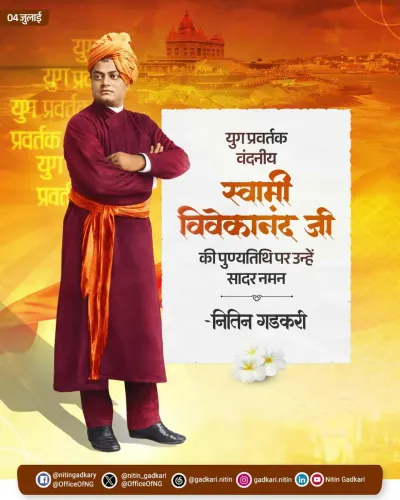
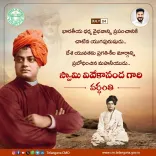
CM Rekha Gupta Pays Tribute to Swami Vivekananda on Death Anniversary
Synopsis
Delhi Chief Minister Rekha Gupta on 4 July 2026 paid tribute to Swami Vivekananda on his death anniversary, highlighting his teachings on self-confidence, character building, and national service as a guiding light for India's youth.
Key Takeaways
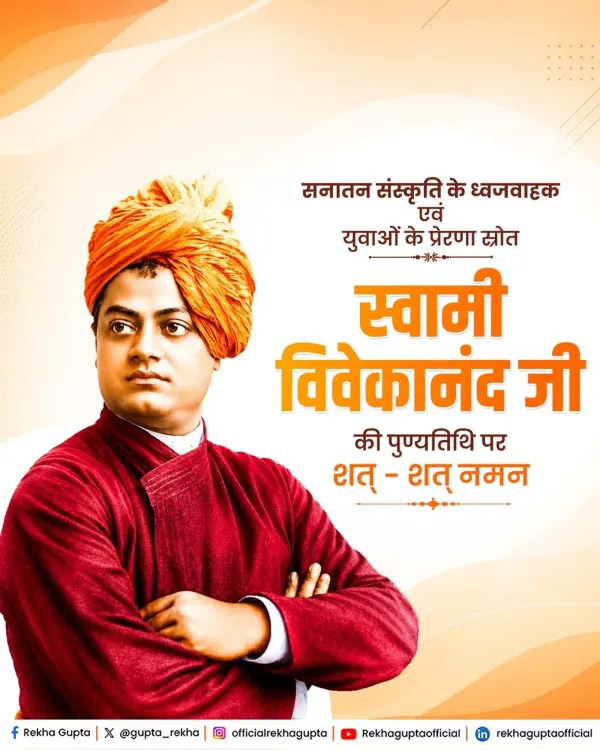
Delhi CM Rekha Gupta posted a Hindi tribute to Swami Vivekananda on his death anniversary, 4 July 2026 .
She described Vivekananda as a 'great spiritual thinker and global ambassador of Indian culture.' The tribute centred on three ideals: self-confidence , character building , and national service .
Vivekananda's teachings have been institutionalised through National Youth Day on 12 January , declared by the Government of India in 1984 .
BJP leaders consistently mark Vivekananda anniversaries to connect the party's governance philosophy with 19th-century spiritual reform.
State-level youth programmes in Delhi may follow, drawing on Vivekananda's philosophy as a guiding framework.
Delhi Chief Minister Rekha Gupta on Saturday, 4 July 2026 paid tribute to Swami Vivekananda on his death anniversary, invoking the 19th-century monk's ideals of self-confidence, character building, and national service as enduring guides for contemporary youth.
Context
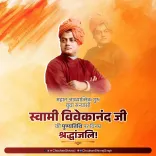
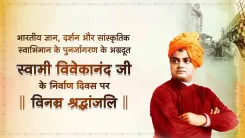
Posting in Hindi on the morning of the anniversary, CM Gupta described Swami Vivekananda as a 'mahan aadhyatmik chintak evam Bharatiya sanskriti ke vaishvik samvahak' — 'great spiritual thinker and global ambassador of Indian culture.' She offered what she called a 'humble tribute' (vinamra shraddhanjali) to the philosopher-monk.
Her post highlighted three pillars drawn from Vivekananda's thought: self-confidence (aatmavishwas), character formation (charitra nirman), and dedication to national service (rashtraseva). She added that his inspiring personality kindles in young people a spirit of service, discipline, and a sense of duty.
Policy Backdrop
Swami Vivekananda (1863–1902) was the Hindu monk and Vedanta philosopher who brought Indian spiritual thought to global attention, most famously at the Parliament of the World's Religions in Chicago in 1893. His teachings on self-reliance, social service, and the unity of religions have made him a touchstone figure in Indian public life across generations.
The Government of India declared 12 January — Vivekananda's birth anniversary — as National Youth Day in 1984, institutionalising his ideals as a framework for youth development. His death anniversary, observed on 4 July, draws annual tributes from political leaders and cultural organisations nationwide.
Stakeholders and Impact
BJP leaders at the national and state level routinely mark both Vivekananda's birth and death anniversaries, using the occasion to underscore themes of nationalism, discipline, and cultural self-assertion. Such messaging is directed primarily at Indian youth and frames the party's governance philosophy within a lineage of 19th-century spiritual reform.
For Delhi, where CM Gupta leads the government, tributes of this kind often precede or accompany state-level youth programmes that reference Vivekananda's teachings. The broader constituency includes students, cultural organisations, and citizens who identify with the monk's vision of a self-reliant, service-oriented India.
What's Next
State-level youth and cultural events in Delhi in the coming months may draw on Vivekananda's philosophy as a guiding framework, consistent with the pattern of such tributes being followed by programmatic outreach. CM Gupta's messaging reinforces a political and cultural emphasis on youth engagement rooted in classical Indian thought — a theme likely to recur as the BJP-led Delhi government advances its agenda through the remainder of 2026.
Point of View
Aligning the BJP's Delhi government with a lineage of nationalist spiritual reform. By foregrounding self-confidence, character, and duty, Gupta maps Vivekananda's 19th-century thought onto contemporary calls for youth engagement — a framing the BJP deploys with notable regularity at both birth and death anniversaries. The tribute signals continuity with the party's broader cultural agenda, which positions classical Indian thinkers as ideological anchors for modern governance. Whether this messaging translates into concrete youth-facing policy in Delhi remains the key question for the months ahead.
NationPress
4 Jul 2026
Frequently Asked Questions
When is Swami Vivekananda's death anniversary?
Swami Vivekananda's death anniversary falls on 4 July each year. He passed away on 4 July 1902 at Belur Math, West Bengal, at the age of 39.
What did Delhi CM Rekha Gupta say about Swami Vivekananda?
Delhi CM Rekha Gupta described Vivekananda as a 'great spiritual thinker and global ambassador of Indian culture' and highlighted his teachings on self-confidence, character building, and national service as an inspiration for youth.
Why do BJP leaders frequently tribute Swami Vivekananda?
BJP leaders regularly invoke Swami Vivekananda on his birth and death anniversaries because his ideals of nationalism, discipline, and cultural self-assertion align closely with the party's political and cultural messaging, particularly around youth engagement.
What is National Youth Day and why is it linked to Swami Vivekananda?
National Youth Day is observed on 12 January — Swami Vivekananda's birth anniversary — after the Government of India declared it so in 1984 to promote his ideals of self-reliance, service, and discipline among the country's youth.
Who was Swami Vivekananda?
Swami Vivekananda (1863–1902) was a Hindu monk and philosopher who introduced Vedanta and Yoga to the West and is widely remembered for his address at the Parliament of the World's Religions in Chicago in 1893 . He emphasised self-confidence, social service, and national pride.