CM Sai Congratulates 13 Tribal Hostel Students on UPSC Prelims
Synopsis
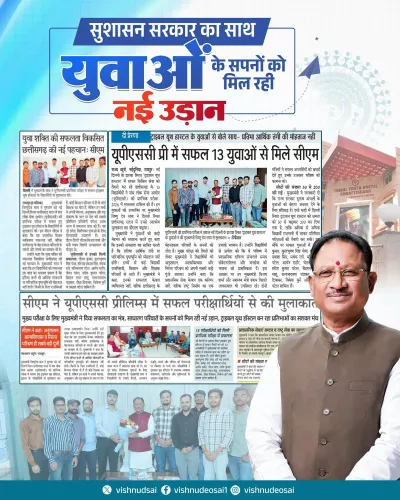
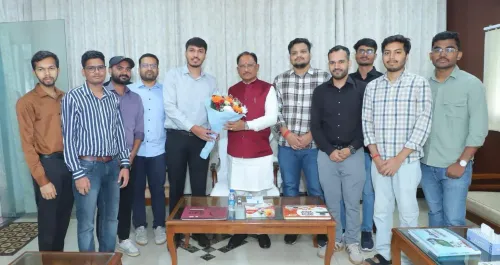
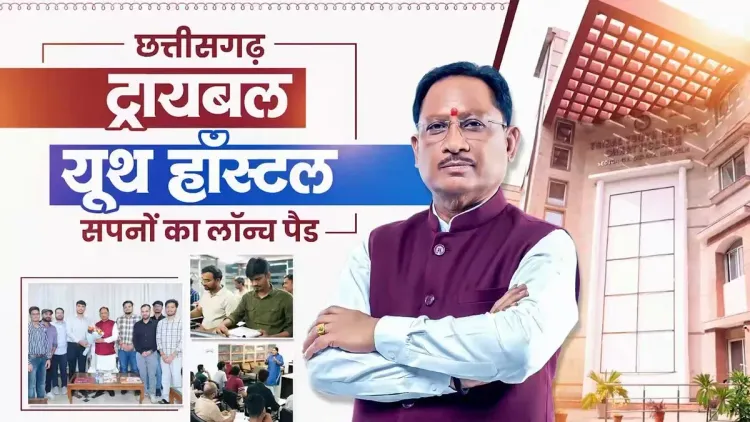
Thirteen students from the Chhattisgarh Tribal Youth Hostel cleared the UPSC Preliminary Examination, the state CMO announced on 26 June 2026. Chief Minister Vishnu Deo Sai congratulated the candidates and wished them success in the Mains, framing the result as a product of his government's tribal education push.
Key Takeaways
13 students from the Chhattisgarh Tribal Youth Hostel cleared the UPSC Preliminary Examination in 2026.
Chief Minister Vishnu Deo Sai congratulated the candidates and wished them success in the upcoming stages of the exam.
The Chhattisgarh Tribal Youth Hostel is a state-funded residential coaching facility for Scheduled Tribe students targeting national competitive exams.
Chhattisgarh , with roughly 30 per cent tribal population , has maintained dedicated tribal education schemes since its formation as a state in 2000 .
The 13 successful candidates now advance to UPSC Mains 2026 , with the state expected to continue providing institutional support.
Their Mains performance will likely influence future decisions on expanding the Tribal Youth Hostel network across more districts.
The Chief Minister's Office of Chhattisgarh announced on Friday, 26 June 2026, that 13 students from the Chhattisgarh Tribal Youth Hostel have cleared the UPSC Preliminary Examination, with Chief Minister Vishnu Deo Sai extending congratulations and best wishes to all the successful candidates for the stages ahead.
Context
The CMO's post, written in Hindi, states: 'Chhattisgarh Tribal Youth Hostel ke 13 pratibhashali vidyarthiyon ne UPSC Prelims pariksha uttirn kar pradesh ka gaurav badhaya hai' — 'Thirteen talented students of the Chhattisgarh Tribal Youth Hostel have passed the UPSC Prelims examination and brought glory to the state.' The office credited the achievement to the Vishnu Deo Sai government's stated commitment to enabling young people to dream of a better future and providing them sustained support to realise those dreams.
Chief Minister Sai, who took office in December 2023 as the first tribal Chief Minister of Chhattisgarh from the Bharatiya Janata Party, has consistently positioned tribal education and competitive-exam preparedness as a policy priority. His congratulatory message signals the administration's intent to treat the result as a benchmark for the scheme's impact.
Policy Backdrop
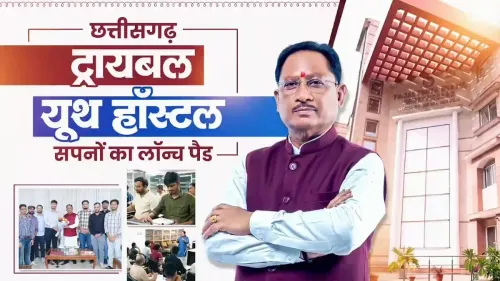
The Chhattisgarh Tribal Youth Hostel is a state-run residential facility that provides coaching, accommodation, and mentoring support specifically to Scheduled Tribe students preparing for national competitive examinations including the Union Public Service Commission Civil Services Examination. The scheme is part of a broader Tribal Sub-Plan framework that took shape after Chhattisgarh's formation as a separate state in 2000, designed to channel dedicated resources towards the state's approximately 30 per cent Scheduled Tribe population.
Across India, states with significant tribal populations have expanded such residential-coaching models to convert demographic presence into administrative representation — complementing constitutional reservations for Scheduled Tribes and central programmes such as the National Fellowship for Higher Education of ST Students. Clearing the UPSC Preliminary round is widely regarded as the first significant hurdle in a multi-stage selection process that culminates in postings to services such as the IAS and IPS.
Stakeholders and Impact
The 13 candidates who cleared the Prelims now advance to the UPSC Mains examination, a far more demanding written stage that precedes a final personality test. For tribal students from Chhattisgarh — many of whom come from districts with limited access to quality private coaching — the hostel's structured environment is often the primary avenue to competitive-exam preparation at this level.
The result carries symbolic weight beyond the numbers: it reinforces the case for sustained public investment in residential coaching infrastructure for first-generation civil services aspirants from marginalised communities. Families, local panchayats, and tribal welfare organisations across the state are among the stakeholders who track such outcomes as indicators of the scheme's effectiveness.
What's Next
The immediate focus shifts to the UPSC Mains 2026 for all 13 candidates, a rigorous multi-paper examination that will determine who advances to the final interview stage. The government is expected to provide continued institutional support to these candidates through the hostel network as they prepare for the next phase.
Longer term, the performance of this cohort is likely to inform decisions on whether to expand Tribal Youth Hostel infrastructure to additional districts in Chhattisgarh, deepening the state's pipeline of tribal candidates in the civil services. A strong showing at the Mains stage would significantly bolster the political and budgetary case for scaling the model.
Point of View
Rather than individual effort alone, is a standard move to convert administrative outputs into electoral narrative. The result also fits a wider national pattern in which BJP-governed states with large tribal populations have sought to demonstrate that reservation-plus-coaching models can produce tangible representation in the civil services. How many of the 13 candidates ultimately make it through the Mains and interview will be the real test of whether the hostel model delivers on its promise.
NationPress
26 Jun 2026
Frequently Asked Questions
How many Chhattisgarh Tribal Youth Hostel students cleared UPSC Prelims 2026?
13 students from the Chhattisgarh Tribal Youth Hostel cleared the UPSC Preliminary Examination in 2026, as announced by the Chief Minister's Office on 26 June 2026.
What is the Chhattisgarh Tribal Youth Hostel?
The Chhattisgarh Tribal Youth Hostel is a state-run residential facility providing coaching, accommodation, and support to Scheduled Tribe students preparing for national competitive examinations such as the UPSC Civil Services Examination.
Who is the Chief Minister of Chhattisgarh in 2026?
Vishnu Deo Sai is the Chief Minister of Chhattisgarh. He assumed office in December 2023 and is the state's first tribal Chief Minister from the Bharatiya Janata Party .
What happens after UPSC Prelims for these tribal students?
After clearing the UPSC Preliminary Examination, the 13 candidates will appear for the UPSC Mains 2026 , a multi-paper written examination. Those who clear Mains will then face a final personality interview before final selection.
Does Chhattisgarh have a large tribal population?
Yes. Chhattisgarh has approximately 30 per cent Scheduled Tribe population , one of the highest proportions among Indian states, which has historically driven dedicated tribal education and sub-plan allocations since the state's formation in 2000 .