CM Sai launches Chhattisgarh green energy book at BRE Summit 2026
Synopsis
Chhattisgarh CM Vishnu Deo Sai launched a book on the state's renewable energy policy and investment opportunities at the Bharat Renewable Energy Summit and Expo 2026 in New Delhi's Bharat Mandapam, signalling the coal-belt state's active push toward clean energy capital.
Key Takeaways
CM Vishnu Deo Sai released a publication on Chhattisgarh's renewable energy policy at the Bharat Renewable Energy Summit and Expo 2026 on 2 November 2026 .
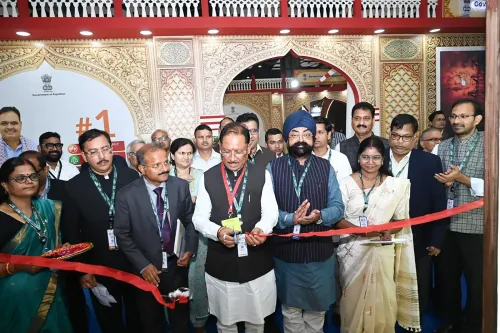
The book was launched at the Chhattisgarh Pavilion inside Bharat Mandapam, New Delhi .
The publication is aimed at informing investors about the state's energy capacities, favourable policies, and new investment openings.
India has a national target of 500 GW non-fossil fuel electricity capacity by 2030 , set at COP26 in 2021, which frames Chhattisgarh's pivot.
Chhattisgarh's participation reflects a broader shift from its traditional coal economy toward solar, wind, and green hydrogen opportunities.
The move fits a wider pattern of competitive federalism, with states using national expos to market policy incentives to private investors.
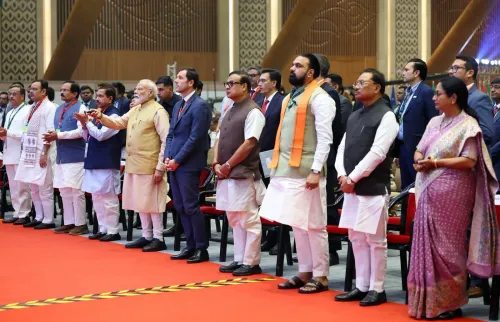
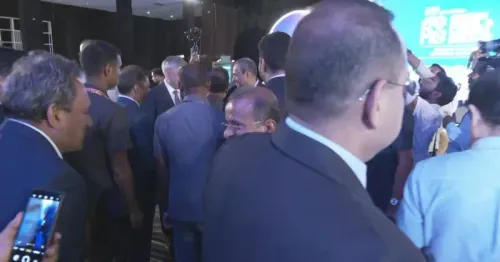
A state long defined by coal made its renewable pitch to the nation's investors on Monday — Chhattisgarh Chief Minister Vishnu Deo Sai released a dedicated publication on the state's renewable energy policy, investment potential, and green energy roadmap at the Chhattisgarh Pavilion during the Bharat Renewable Energy Summit and Expo 2026 at Bharat Mandapam, New Delhi, on 2 November 2026.
What the book puts on investors' desks
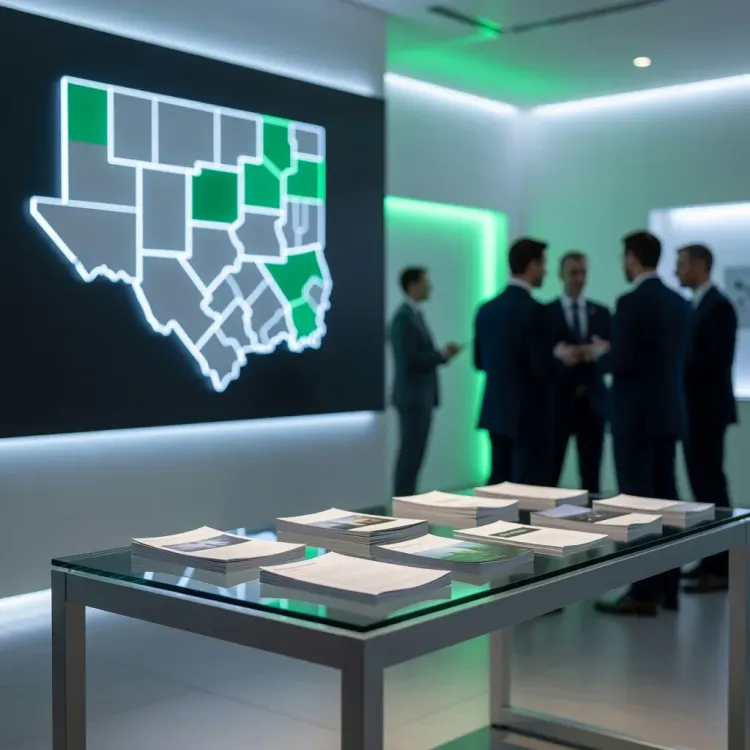
The volume — released under the hashtag #BRESummit — is designed as a direct briefing for potential investors, walking them through Chhattisgarh's energy capacities, its current policy framework, and the specific openings available for fresh capital. CM Sai described the release as an effort to 'familiarise investors with the state's energy capabilities, favourable policies, and new investment opportunities.'
Releasing a dedicated publication at a national expo is a deliberate move: it gives the state a tangible, citable document that outlasts the summit itself — something delegations carry back to boardrooms.
Coal country's calculated pivot to clean energy
Chhattisgarh sits at the heart of India's coal belt, but the economics of the energy transition are forcing every coal-heavy state to diversify — and fast. India has committed to 500 GW of non-fossil fuel electricity capacity by 2030, a target announced at COP26 in 2021, and every state now carries a share of that ambition whether it wishes to or not.
Chhattisgarh's geography is, in fact, an asset here. The state holds significant solar irradiance potential and land availability, factors that make it competitive for utility-scale solar and, potentially, green hydrogen corridors. The pavilion at Bharat Mandapam — India's flagship convention infrastructure — signals that the state is no longer content to be a passive beneficiary of central schemes. It is actively courting capital.
Competitive federalism on the expo floor
Indian states have increasingly turned national summits into investment marketing moments — a pattern that accelerated after the success of state-level investor conclaves in Gujarat, Rajasthan, and Uttar Pradesh. Chhattisgarh's pavilion presence at a national renewable energy expo follows that same competitive federalism playbook: show up, publish your policy, make the pitch in the same room as rival states.
The real test will come after the banners come down — whether the book's investment case translates into signed memoranda of understanding and ground-level project announcements in the months ahead.
Point of View
This is a meaningful signal of directional shift. The real indicator of seriousness will be whether CM Sai's investment pitch converts into binding project commitments, or whether the book remains an exhibit rather than a catalyst. Either way, the optics of a coal-belt state pitching green energy at Bharat Mandapam carry weight in New Delhi's policy circles.
NationPress
3 Nov 2026
Frequently Asked Questions
What was launched at the Bharat Renewable Energy Summit 2026 by Chhattisgarh?
Chhattisgarh Chief Minister Vishnu Deo Sai released a book on the state's renewable energy policy, energy capacities, and investment opportunities at the Chhattisgarh Pavilion during the Bharat Renewable Energy Summit and Expo 2026 at Bharat Mandapam, New Delhi.
Where is the Bharat Renewable Energy Summit 2026 being held?
The Bharat Renewable Energy Summit and Expo 2026 is being held at Bharat Mandapam, a major convention and exhibition venue located in New Delhi.
Why is Chhattisgarh focusing on renewable energy if it is a coal state?
India has committed to 500 GW of non-fossil fuel electricity capacity by 2030, pushing even coal-heavy states like Chhattisgarh to diversify. The state has significant solar irradiance potential and land availability, making it competitive for utility-scale clean energy projects.
What is the purpose of the book released by CM Vishnu Deo Sai at BRE Summit 2026?
The book is designed to familiarise investors with Chhattisgarh's energy capacities, its current renewable energy policy framework, and new investment opportunities available in the state's clean energy sector.
What is competitive federalism in the context of Indian renewable energy?
Competitive federalism refers to the trend where Indian states actively market their policy incentives, land availability, and resource potential at national summits to attract private renewable energy investment, competing with each other to secure capital and projects.