CM Sai Meets IGKV Vice Chancellor on Agri Education
Synopsis
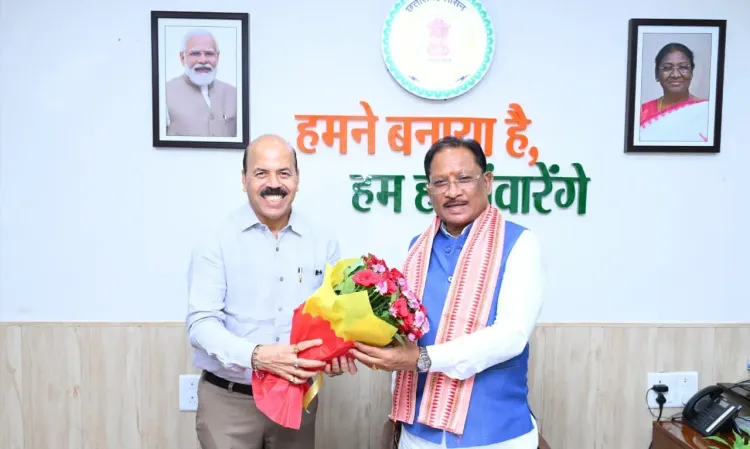
Chief Minister Vishnu Dev Sai of Chhattisgarh met IGKV Vice Chancellor Dr. Girish Chandel at his Raipur residence on 29 May 2026. The two discussed agricultural education, research, and innovation, reflecting the state government's continued engagement with its premier farm-sector university.
Key Takeaways
Chief Minister Vishnu Dev Sai received Dr.
Girish Chandel , Vice Chancellor of IGKV Raipur , at his official residence on 29 May 2026 .
Discussions covered agricultural education, research, and innovation — areas central to Chhattisgarh's agrarian economy.
Indira Gandhi Krishi Vishwavidyalaya was established in 1987 and is the state's premier institution for farm-sector education and research.
CM Sai has been in office since December 2023 , and his administration has maintained regular engagement with higher education institutions.
Follow-up outcomes such as new research funding or curriculum changes are expected through state budget sessions or the university's academic calendar.
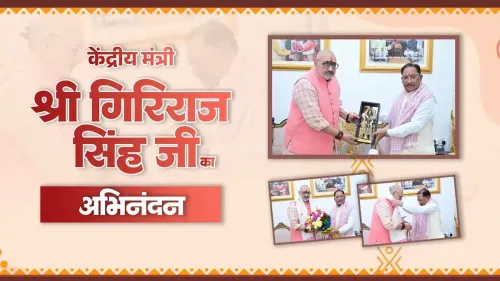
The Chief Minister's Office of Chhattisgarh announced on Friday, 29 May 2026 that Chief Minister Vishnu Dev Sai received Dr. Girish Chandel, Vice Chancellor of Indira Gandhi Krishi Vishwavidyalaya (IGKV), Raipur, at the Chief Minister's official residence in Raipur for a courtesy call. The meeting centred on substantive discussions covering agricultural education, research, and innovation.
Context
The CMO's post stated, 'कृषि शिक्षा, अनुसंधान एवं नवाचार से जुड़े विभिन्न विषयों पर सार्थक चर्चा हुई' — meaning 'meaningful discussions were held on various topics related to agricultural education, research and innovation.' The meeting took place at the Chief Minister's residence in Raipur, signalling direct executive engagement with the state's premier agricultural university.
Dr. Girish Chandel leads IGKV as its Vice Chancellor. The university is the nodal institution for advancing farm-sector education and applied research across Chhattisgarh, a state where agriculture remains the primary livelihood for a large share of the population.
Policy Backdrop
Indira Gandhi Krishi Vishwavidyalaya was established in 1987 to strengthen agricultural education, research, and extension services in the region that later became the state of Chhattisgarh. Over the decades, it has served as the principal link between academic research and on-ground farming practice in the state.
Chief Minister Vishnu Dev Sai took office in December 2023, leading the BJP government in the state. His administration has emphasised aligning institutional priorities with broader state development goals, and meetings between executive leadership and university heads form a recurring feature of this engagement model.
Stakeholders and Impact
The immediate stakeholders of any outcomes from this meeting are the state's farming community and the academic and research staff at IGKV. Chhattisgarh's agrarian economy means that shifts in research priorities or extension programmes at the university can have downstream effects on crop productivity, farmer incomes, and rural livelihoods.
Agricultural researchers and students enrolled at IGKV stand to benefit if the discussions translate into enhanced funding, new research mandates, or updated curricula aligned with contemporary challenges such as climate-resilient farming and precision agriculture.
What's Next
Concrete outcomes of the meeting — such as new research project approvals, curriculum reforms, or funding announcements — are expected to surface through state budget sessions or the university's academic calendar. Such follow-through has historically been the channel through which executive-university engagements in Chhattisgarh produce measurable policy action.
Observers of agricultural policy in the state will watch for any formal directives or memoranda of understanding that may emerge from this courtesy call, particularly those touching on innovation and technology adoption in farming.
Point of View
Research mandates, or extension programme expansions — that rarely make headlines but shape ground-level outcomes for farmers. For the BJP government in Chhattisgarh, visible engagement with agricultural institutions also serves a political purpose in a state where rural constituencies are decisive. The broader arc here is one of state governments increasingly using university leadership as implementation partners for agrarian policy rather than leaving them to operate in academic isolation.
NationPress
13 Oct 2026
Frequently Asked Questions
Who is the Vice Chancellor of Indira Gandhi Krishi Vishwavidyalaya Raipur?
Dr. Girish Chandel is the Vice Chancellor of Indira Gandhi Krishi Vishwavidyalaya (IGKV), Raipur, the premier agricultural university in Chhattisgarh.
When was Indira Gandhi Krishi Vishwavidyalaya established?
Indira Gandhi Krishi Vishwavidyalaya was established in 1987 to strengthen agricultural education, research, and extension services in the region that later became the state of Chhattisgarh.
What did CM Vishnu Dev Sai and IGKV VC discuss?
According to the Chief Minister's Office, the meeting on 29 May 2026 covered various topics related to agricultural education, research, and innovation.
Who is the Chief Minister of Chhattisgarh in 2026?
Vishnu Dev Sai is the Chief Minister of Chhattisgarh, having assumed office in December 2023 leading the BJP government in the state.
What is the role of IGKV in Chhattisgarh agriculture?
Indira Gandhi Krishi Vishwavidyalaya (IGKV) is the nodal institution for agricultural education, research, and extension services in Chhattisgarh, linking academic research with on-ground farming practice across the state.