CM Vishnu Deo Sai Receives Oilseeds Board Chief at Raipur Residence
Synopsis
Chhattisgarh Chief Minister Vishnu Deo Sai received Oilseeds Development Board Chairman Jitendra Sahu at his Raipur residence on 25 July 2026, signalling continued state-level engagement with oilseed promotion as part of the BJP government's agricultural diversification agenda.
Key Takeaways
Vishnu Deo Sai , Chief Minister of Chhattisgarh, received a courtesy visit from Jitendra Sahu , Chairman of the Chhattisgarh Oilseeds Development Board, at his Raipur residence.
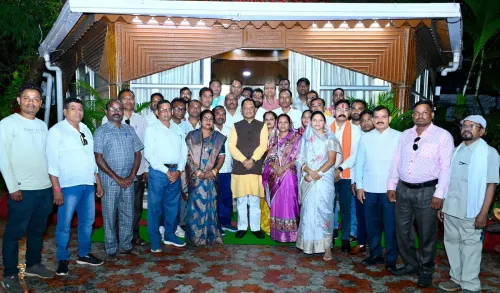
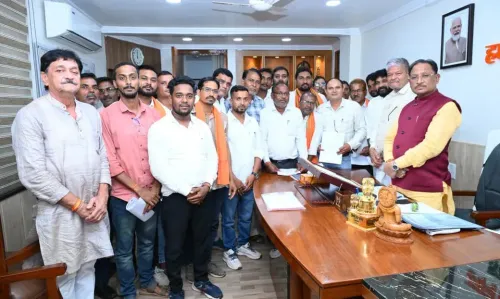
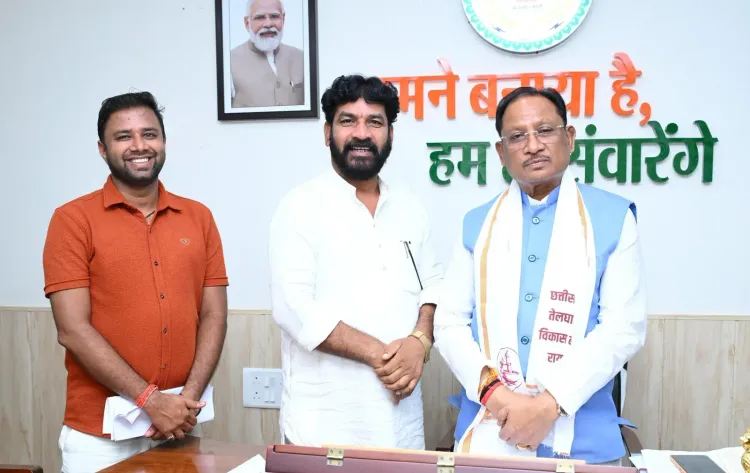
The meeting took place on 25 July 2026 and was confirmed by CM Sai via a post on X accompanied by an image.
The Chhattisgarh Oilseeds Development Board (Telghani Vikas Board) oversees cultivation, processing, and value addition of oilseeds including soybean, mustard, and groundnut.
The BJP government in Chhattisgarh has prioritised oilseed promotion since taking office in December 2023 , aligning with the central National Mission on Edible Oils .
Oilseed farmers across the state are the primary beneficiaries of the board's programmes and stand to gain from this high-level engagement.
Chhattisgarh Chief Minister Vishnu Deo Sai received a courtesy call from Jitendra Sahu, Chairman of the Chhattisgarh Oilseeds Development Board (Telghani Vikas Board), at his official residence in Raipur on Friday, 25 July 2026. The meeting marks a direct engagement between the state's top executive and the head of a key agricultural body overseeing oilseed promotion across the state.
Context
Chief Minister Sai shared the news on X, writing: 'Chhattisgarh Telghani Vikas Board ke adhyaksh Shri Jitendra Sahu ji ne Raipur sthit niwas par saujanye bhent ki' — 'The Chairman of the Chhattisgarh Oilseeds Development Board, Shri Jitendra Sahu, paid a courtesy visit at the residence in Raipur.' The post was accompanied by an image from the meeting. Such direct outreach between a chief minister and the head of a commodity development board is a standard feature of state-level agricultural governance in India.
Policy Backdrop
The Chhattisgarh Oilseeds Development Board — also known as the Telghani Vikas Board — is a state body mandated to promote the cultivation, processing, and value addition of oilseeds including soybean, mustard, and groundnut across Chhattisgarh. Since the BJP government came to power following the December 2023 assembly elections, agricultural diversification and oilseed promotion have been stated priorities, with the state working to align local efforts with central schemes such as the National Mission on Edible Oils. India's push for edible-oil self-reliance has elevated the importance of state-level oilseed boards as implementing arms of this national agenda.
Stakeholders and Impact
Oilseed farmers across Chhattisgarh are the primary stakeholders of the board's work, with the body's programmes affecting procurement support, processing infrastructure, and market linkages available to growers. Courtesy meetings of this kind typically serve as informal reviews of sector progress, allowing the chief minister to receive direct feedback from board leadership on ground-level challenges. For rural communities dependent on oilseed crops, such high-level engagement signals continued government attention to the sector.
What's Next
Observers will watch for any follow-up announcements from the state agriculture department, particularly around oilseed cluster development, procurement pricing, or processing infrastructure ahead of the coming rabi season. Budget allocations and convergence with central edible-oil schemes will be key indicators of how this engagement translates into policy action on the ground.
Point of View
State-level boards like the Telghani Vikas Board have taken on added strategic importance as ground-level implementers of central self-reliance goals. CM Sai's visible engagement with such bodies reinforces the government's rural-economy messaging ahead of the rabi season. Whether this interaction produces concrete policy outcomes — procurement support, processing clusters — will be the true test of its significance.
NationPress
22 Oct 2026
Frequently Asked Questions
Who is Jitendra Sahu?
Jitendra Sahu is the Chairman of the Chhattisgarh Oilseeds Development Board (Telghani Vikas Board), the state body responsible for promoting oilseed cultivation and processing in Chhattisgarh.
What is the Chhattisgarh Oilseeds Development Board?
The Chhattisgarh Oilseeds Development Board, also called the Telghani Vikas Board, is a state government body mandated to promote the cultivation, processing, and value addition of oilseeds such as soybean, mustard, and groundnut across Chhattisgarh.
Why did the Oilseeds Board chairman meet CM Vishnu Deo Sai?
The meeting was a courtesy call, a standard form of engagement between state board heads and the chief minister to review sector progress and coordinate implementation of oilseed-related programmes.
What is Chhattisgarh's oilseed policy under CM Vishnu Deo Sai?
Since the BJP government took office in December 2023, Chhattisgarh has prioritised agricultural diversification and oilseed promotion, working to align state-level board activities with central schemes such as the National Mission on Edible Oils.
Where does CM Vishnu Deo Sai live in Raipur?
CM Vishnu Deo Sai's official residence is located in Raipur, the capital of Chhattisgarh and the seat of the state government, where the courtesy meeting took place.