CM Sai Moves Yoga to Medical Education Dept in Chhattisgarh
Synopsis
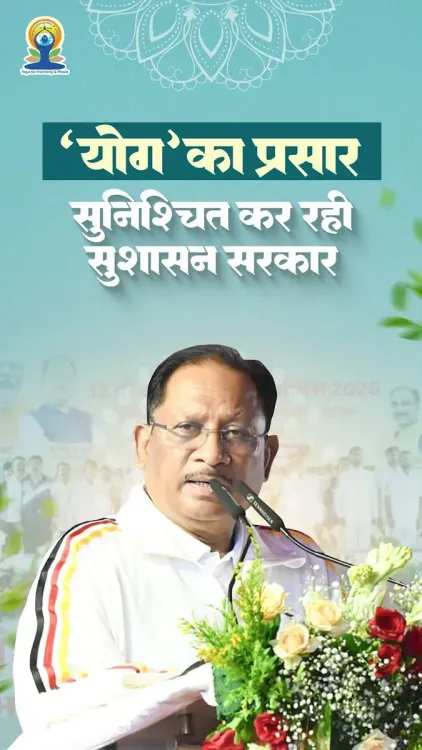
Chhattisgarh Chief Minister Vishnu Deo Sai announced on International Day of Yoga 2026 that the state has transferred the yoga portfolio from the Social Welfare Department to the Medical Education Department, aiming to integrate yoga into formal health education as part of India's AYUSH tradition.
Key Takeaways
Chhattisgarh CM Vishnu Deo Sai announced on 21 June 2026 that yoga has been moved from the Social Welfare Department to the Medical Education Department .
The decision was announced on International Day of Yoga 2026 , observed globally on 21 June each year under a UN General Assembly resolution from 2014 .
CM Sai described yoga as 'an inseparable and important part of India's rich AYUSH tradition,' not merely a form of exercise.
The move aligns with a national pattern since 2014 of mainstreaming yoga within health and education departments rather than welfare ministries.
Key stakeholders include yoga practitioners, AYUSH faculty, and medical education students in Chhattisgarh.
Formal government orders, curriculum changes, and budgetary reallocations are awaited to determine the full scope of implementation.
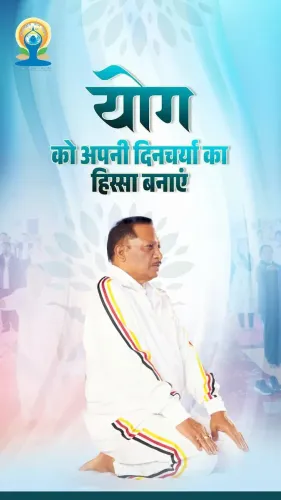
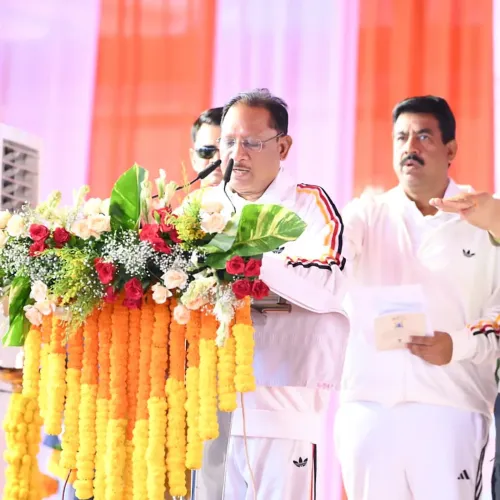
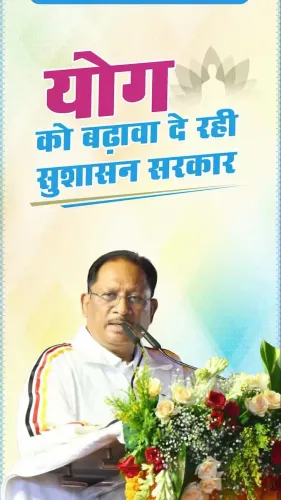
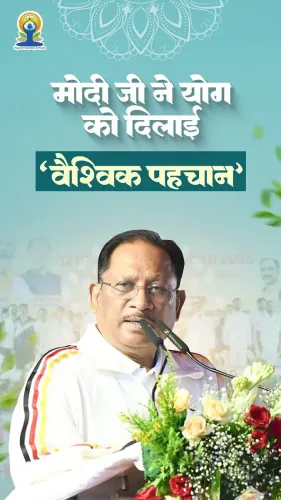
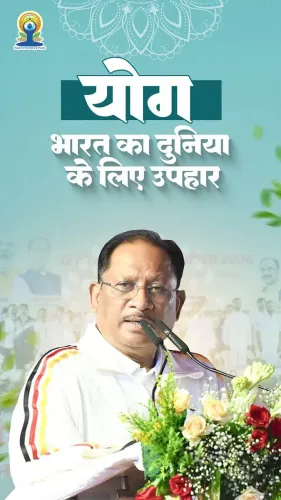
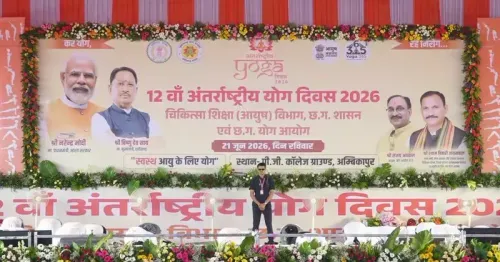
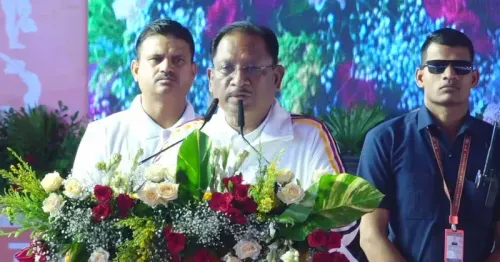
Chhattisgarh Chief Minister Vishnu Deo Sai announced on Sunday, 21 June 2026 that his government has transferred the yoga portfolio from the Social Welfare Department to the Medical Education Department, a structural shift aimed at broadening access to yoga and embedding it within the state's formal health-education framework.
Posting on the occasion of International Day of Yoga 2026, Chief Minister Sai wrote: 'Yog vishay ko samaj kalyan vibhag se hataakar chikitsa shiksha vibhag ke antargat shaamil kiya gaya hai' — 'The subject of yoga has been removed from the Social Welfare Department and brought under the Medical Education Department.' He added that yoga is not merely a means of exercise but 'an inseparable and important part of India's rich AYUSH tradition.'
Context
The announcement came on 21 June, the date designated by the United Nations General Assembly as International Day of Yoga through resolution 69/131 in December 2014, following an initiative by India. The day has since become a major annual occasion for governments at the Centre and in states to announce yoga-related policy measures.
Chief Minister Sai, who has led Chhattisgarh since December 2023 after the Bharatiya Janata Party's victory in the state assembly elections, framed the decision as one of 'special significance' given yoga's roots in India's civilisational heritage.
Policy Backdrop
The move aligns with a broader national pattern. Since 2014, the Union government has repositioned yoga from a cultural or welfare activity into a recognised component of public health delivery, anchored institutionally by the Ministry of AYUSH — established in November 2014 to promote Ayurveda, Yoga, Unani, Siddha, and Homeopathy systems.
The National Education Policy 2020 further recommended incorporating yoga and traditional knowledge into formal education frameworks. Several states have since transferred yoga-related functions to health or AYUSH departments to enable curriculum development, teacher training, and integration with medical colleges. Chhattisgarh's order follows this administrative mainstreaming trend.
By placing yoga under Medical Education rather than Social Welfare, the state government signals an intent to bring the discipline into the orbit of clinical training, potentially shaping how future doctors and health workers engage with traditional wellness systems.
Stakeholders and Impact
The most immediate impact is likely to be felt by yoga practitioners, AYUSH faculty, and medical education students in Chhattisgarh. Placement under the Medical Education Department opens the possibility of structured yoga curricula in medical colleges, standardised teacher-training programmes, and state funding routed through health rather than welfare budgets.
For the wider public, the stated goal is to make yoga's 'comprehensive benefits reach every person' — a phrase Chief Minister Sai used in his post. Civil society organisations working in community health and traditional medicine are also likely stakeholders in any subsequent implementation orders.
What's Next
The formal government order detailing the transfer of administrative charge, any associated budgetary reallocation, and a revised yoga curriculum for medical institutions are the key documents to watch. State-level events planned around International Day of Yoga 2026 in Chhattisgarh are also expected to reflect this new departmental positioning.
If implemented with curriculum changes and faculty appointments, the shift could set a template for other BJP-governed states looking to deepen institutional integration of AYUSH disciplines within mainstream medical education.
Point of View
Not merely a bureaucratic reshuffle. It reflects the BJP's sustained effort since 2014 to elevate AYUSH disciplines from the periphery of welfare policy to the core of health governance. By anchoring yoga within medical education, the state government creates a pathway for curriculum mandates, institutional funding, and professional credentialing — tools unavailable when yoga sits in a welfare silo. The timing on International Day of Yoga underscores how the party continues to use the annual observance as a policy launchpad, blending cultural messaging with concrete administrative action.
NationPress
22 Jun 2026
Frequently Asked Questions
Why did Chhattisgarh move yoga from Social Welfare to Medical Education Department?
The Chhattisgarh government moved yoga to the Medical Education Department to integrate it into formal health education and make its benefits more widely accessible, treating it as part of India's AYUSH tradition rather than a welfare activity.
What is International Day of Yoga and why is it observed on 21 June?
International Day of Yoga is observed on 21 June every year following a UN General Assembly resolution in December 2014 that declared the date at India's initiative. It promotes the physical and mental health benefits of yoga globally.
Who is Vishnu Deo Sai and which party does he belong to?
Vishnu Deo Sai is the Chief Minister of Chhattisgarh and a senior leader of the Bharatiya Janata Party (BJP) . He has been in office since December 2023 after the BJP won the state assembly elections.
What is the Ministry of AYUSH and what does it do?
The Ministry of AYUSH was established by the Union government in November 2014 to promote traditional Indian health systems including Ayurveda, Yoga, Unani, Siddha, and Homeopathy, and to integrate them into mainstream health delivery.
How does moving yoga to Medical Education affect students and practitioners in Chhattisgarh?
The transfer could lead to structured yoga curricula in medical colleges, standardised teacher-training programmes, and health-budget funding for yoga, directly impacting medical education students, AYUSH faculty, and yoga practitioners in the state.