CM Sai Salutes 141 Gallantry Medals for Chhattisgarh Police
Synopsis
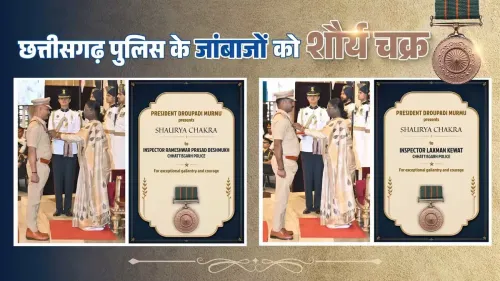
Chhattisgarh Chief Minister Vishnu Deo Sai on Independence Day 2026 honoured state police personnel awarded 141 gallantry medals, 1 President's Police Medal, and 10 meritorious service medals for their role in the decisive campaign against Maoist insurgency.
Key Takeaways
141 gallantry medals were awarded to Chhattisgarh Police personnel on Independence Day 2026 for anti-Maoist operations.
1 President's Police Medal for distinguished service and 10 Police Medals for meritorious service were also conferred.
Personnel from Home Guards, Civil Defence , and correctional services received separate honours for distinguished and commendable service.
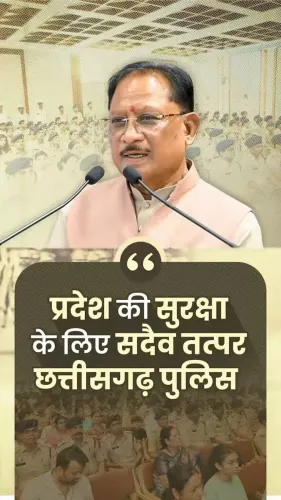
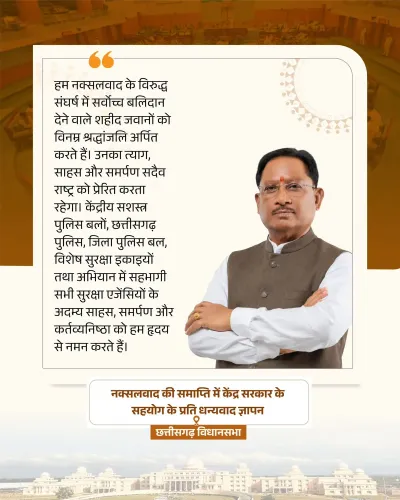
CM Vishnu Deo Sai called the recognition a salute to the courage and sacrifice of those working to free Chhattisgarh from Maoist influence.
Chhattisgarh, particularly the Bastar region, remains India's most active theatre in the campaign against left-wing extremism.
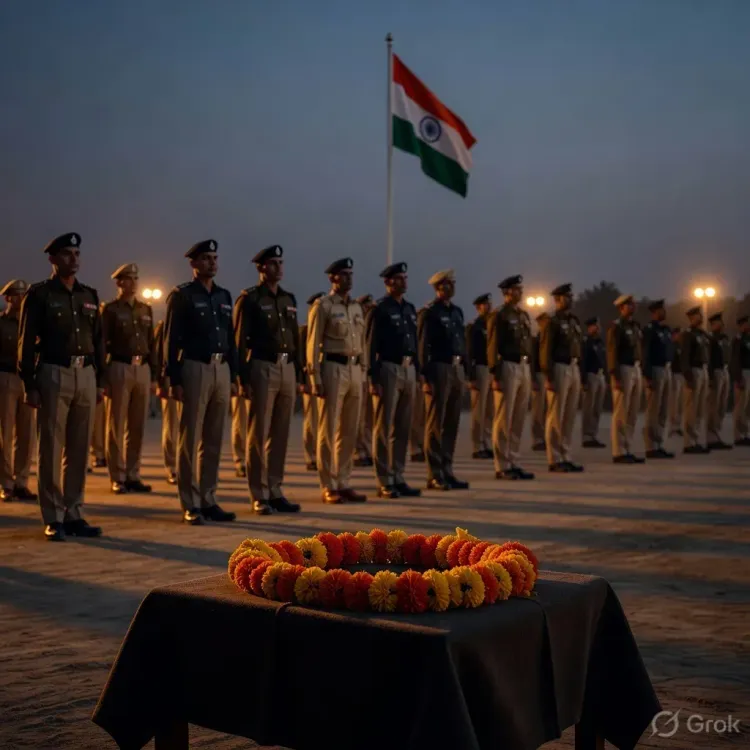
On the eve of Independence Day, 2026, Chhattisgarh's police force earned a national salute — 141 gallantry medals for their sustained campaign against Maoist insurgency, the highest-stakes internal security fight on Indian soil. Chhattisgarh Chief Minister Vishnu Deo Sai marked the occasion with a tribute to the personnel who have spent years pushing back against left-wing extremism in the state's dense, contested forests.
Posting in Hindi on the eve of August 15, CM Sai wrote: 'Maowad aatank ke khilaf nirnayak ladai mein unke veeratapurna yogdan ko Swatantrata Diwas ke avasarpar 141 veerata padkon se sammanit kiya jaana poore Chhattisgarh ke liye gaurav ka vishay hai' — ('Honouring their valiant contribution in the decisive fight against Maoist terror with 141 gallantry medals on Independence Day is a matter of pride for all of Chhattisgarh.')
What the medals cover — and who they honour
Beyond the 141 gallantry medals, the awards announced by the central government include 1 President's Police Medal for distinguished service and 10 Police Medals for meritorious service. Personnel from Home Guards, Civil Defence, and correctional services were also recognised for distinguished and commendable contributions — a signal that the counter-insurgency effort extends well beyond frontline combat units.
CM Sai called the honours a salute to the courage, dedication, and sacrifice of personnel who resolved to free Chhattisgarh from the grip of Maoism — and made good on that resolve.
Bastar's long war and a decade of shifting ground
Chhattisgarh, and the Bastar division in particular, has been the most active theatre of India's campaign against left-wing extremism for decades. The Chhattisgarh Police — operating alongside central paramilitary units — has been at the sharp end of operations that have progressively reduced Maoist influence across several districts over the past ten years. Awarding state police forces alongside central units on Independence Day has been a central government practice since at least the early 2000s, but the scale of recognition this year underscores how central the state force has become to the overall effort.
The broader pattern is clear: as security operations have pushed Maoist networks further into shrinking pockets of forest, the state's uniformed personnel have absorbed significant risk — and are now receiving commensurate national recognition for it.
The medals land as the government continues to pair security pressure with development outreach in forested districts. Whether this Independence Day tally marks a turning point in the campaign — or a milestone on a longer road — will become clearer in the security reviews and policy announcements expected in the months ahead.
Point of View
Not just paramilitary units, are the backbone of the anti-Maoist campaign. For CM Sai and the BJP government in Raipur, the awards serve a dual purpose: honouring genuine sacrifice while reinforcing the political narrative of a security situation being brought under control. The recognition of Home Guards and correctional staff alongside frontline officers suggests the government is framing the effort as a whole-of-administration push, not just a police action. Watched alongside expected development announcements for Naxal-affected districts, these awards may signal the opening of a new phase in Chhattisgarh's long counter-insurgency arc.
NationPress
15 Aug 2026
Frequently Asked Questions
How many gallantry medals did Chhattisgarh Police receive on Independence Day 2026?
Chhattisgarh Police personnel received 141 gallantry medals on Independence Day 2026, according to Chief Minister Vishnu Deo Sai's post, in recognition of their role in counter-Maoist operations.
What did CM Vishnu Deo Sai say about the police awards?
CM Sai called the awards a matter of pride for all of Chhattisgarh and described them as a salute to the courage, dedication, and sacrifice of personnel working to free the state from Maoist influence.
What other awards were given alongside the gallantry medals?
In addition to the 141 gallantry medals , 1 President's Police Medal for distinguished service and 10 Police Medals for meritorious service were awarded. Home Guards, Civil Defence, and correctional service personnel also received recognition.
Why is Chhattisgarh significant in India's fight against Maoism?
Chhattisgarh, especially the Bastar region, has been the most active theatre of India's left-wing extremism campaign for decades. State police have played a central role in operations that have progressively reduced Maoist influence over the past ten years.
Are Independence Day police gallantry awards a regular practice in India?
Yes. The central government has awarded gallantry and service medals to police and paramilitary personnel on Independence Day as a standard practice since at least the early 2000s.