CM Sai Puts Chhattisgarh on Full Alert Amid Heavy Rains
Synopsis
Chief Minister Vishnu Deo Sai has ordered Chhattisgarh's district administrations onto full alert amid heavy rains, directed immediate relief deployment where needed, and urged citizens to use Dial 112 and avoid spreading unverified information.
Key Takeaways
CM Vishnu Deo Sai issued a state-wide monsoon high-alert on 25 September 2026 due to heavy rainfall across Chhattisgarh.
All District Collectors have been directed to continuously monitor rainfall and potential flooding, and to deploy relief immediately when required.
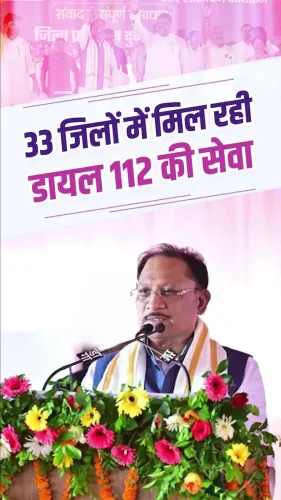
Citizens are advised to call Dial 112 or contact local administration in any emergency situation.
The Chief Minister explicitly warned against spreading or believing unverified or misleading messages about the weather or relief efforts.
All weather and relief information should be sourced only from government and officially authorised channels.
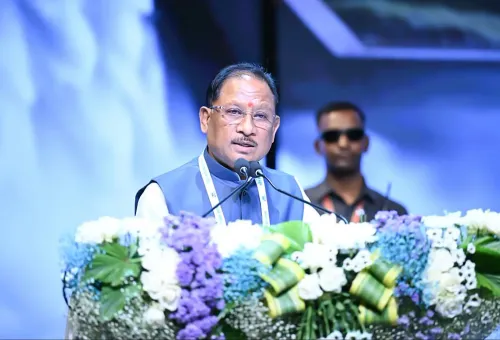
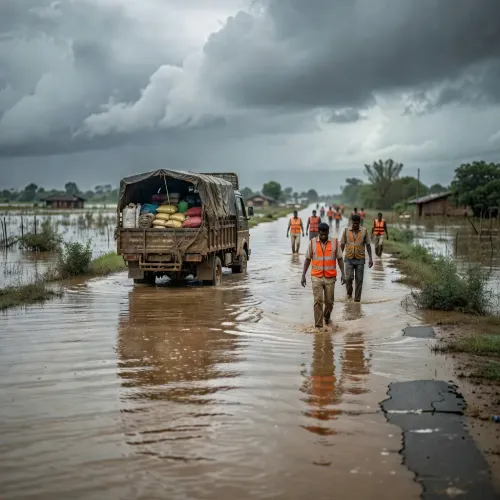
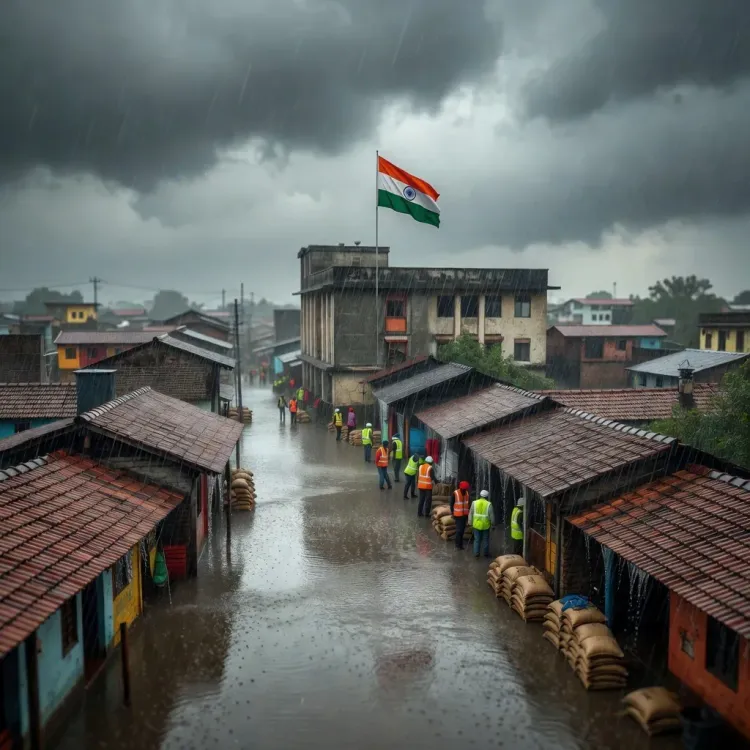
With heavy rainfall battering several parts of Chhattisgarh, Chief Minister Vishnu Deo Sai has activated the state's entire administrative machinery — ordering district officials to stay on high alert and calling on residents to prioritise their safety above all else.
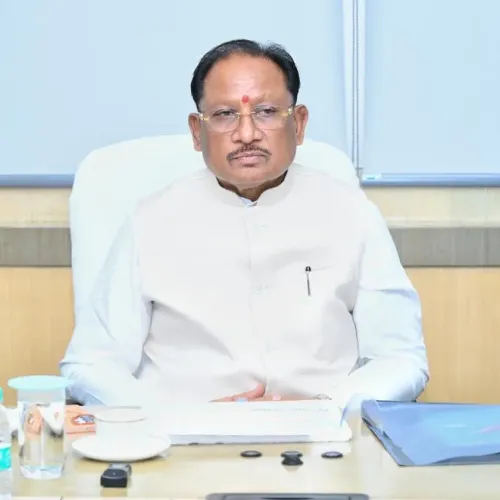
The Chief Minister's Office posted the alert on Friday, 25 September 2026, relaying Sai's direct instructions to the state's administration and public. In his own words: 'Kisī bhī āpāt sthiti mein nāgarik Dial 112 athavā sthānīya prashāsan se tat-kāl sampark karein' — 'In any emergency, citizens must immediately contact Dial 112 or the local administration.' He also urged people to rely exclusively on government and authorised official sources for weather and relief updates, and to neither believe nor forward unverified or misleading messages.
District Collectors put on continuous watch
All District Collectors across Chhattisgarh have been specifically directed to maintain constant surveillance on rainfall levels and the evolving flood situation. Sai made clear that wherever the need arises, relief and assistance must be mobilised without delay. The instruction places the burden of first response squarely on the district administrative heads — the front line of disaster management in India's federal structure.
Chhattisgarh's geography makes it particularly vulnerable during peak monsoon months. The state's interior districts regularly experience intense and localised downpours, and river systems can swell rapidly. The activation of the Dial 112 emergency helpline as the primary citizen contact point reflects a push toward centralised, accountable crisis response.
Sai's warning against rumours — a telling detail
Buried inside the operational alert is a pointed public advisory: do not spread rumours or misleading messages. This is not routine boilerplate. In past Indian monsoon emergencies, unverified social media forwards about road closures, dam releases, or evacuation orders have triggered panic, diverted rescue resources, and cost lives. The Chief Minister's explicit call to trust only 'shāsan-prashāsan evam anya adhikrit sroto' — 'government, administration, and other authorised sources' — signals that information discipline is being treated as part of disaster preparedness, not an afterthought.
Indian state governments routinely escalate monsoon-readiness protocols when rainfall intensity crosses warning thresholds, but the combination of a direct CM-level public appeal, a specific emergency number, and an anti-misinformation advisory in a single communication suggests authorities are treating the current rainfall event as more than routine seasonal weather.
The next critical signal will come from the ground: whether District Collectors activate local relief camps, whether river gauges cross danger marks, and how quickly the administration converts this alert into visible action in affected communities.
Point of View
Ordering District Collectors personally, and specifically targeting misinformation — follows a pattern of BJP-governed states using high-visibility CM-level communications to signal administrative responsiveness during natural disasters. The anti-rumour advisory is politically significant: in an era of viral misinformation, state governments that get ahead of false narratives during crises protect both public safety and their own credibility. The real test of this alert's effectiveness will be how quickly district-level machinery translates the CM's directive into on-ground relief, and whether the communication loop between Raipur and affected districts holds under pressure.
NationPress
25 Sept 2026
Frequently Asked Questions
What emergency number should Chhattisgarh residents call during heavy rain or floods?
CM Vishnu Deo Sai has directed citizens to call Dial 112 or contact their local administration immediately in any emergency situation during the current heavy rainfall.
What has CM Vishnu Deo Sai ordered in response to heavy rains in Chhattisgarh?
CM Sai has ordered all District Collectors to remain on continuous alert, monitor rainfall and potential flooding, and deploy immediate relief and assistance wherever needed.
How should Chhattisgarh residents get accurate information about the rain and floods?
The Chief Minister has specifically advised residents to trust only government and officially authorised sources for weather and relief updates, and not to forward unverified or misleading messages.
Which districts in Chhattisgarh are affected by heavy rains in September 2026?
The Chief Minister's Office stated that heavy rainfall is occurring across 'various parts' of Chhattisgarh, but specific district names were not mentioned in the official communication.
Who is Vishnu Deo Sai and which party does he represent?
Vishnu Deo Sai is the Chief Minister of Chhattisgarh, representing the BJP. He was sworn into office in December 2023 after the state assembly elections.