CM Sai Issues Stern Warning to Officials on Public Grievances
Synopsis
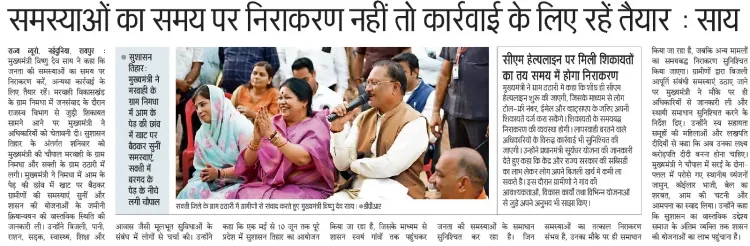
Chief Minister Vishnu Deo Sai of Chhattisgarh issued a strict warning to state officials on June 7, 2026, demanding timely resolution of public grievances. The directive underscores the government's focus on accountability and improved service delivery across the state's rural and tribal districts.
Key Takeaways
CM Vishnu Deo Sai issued a strict directive to Chhattisgarh state officials on June 7, 2026 , demanding timely resolution of public problems.
The message was conveyed through the official Chief Minister's Office account on X.
Sai became Chief Minister of Chhattisgarh in December 2023 after the BJP's assembly election victory.
The directive targets the state's frontline administrative machinery including district and block-level officers.
The move aligns with a broader national pattern of state governments using digital and review mechanisms to improve grievance disposal.
District-level grievance disposal reports and new review meetings will be key indicators of follow-through.
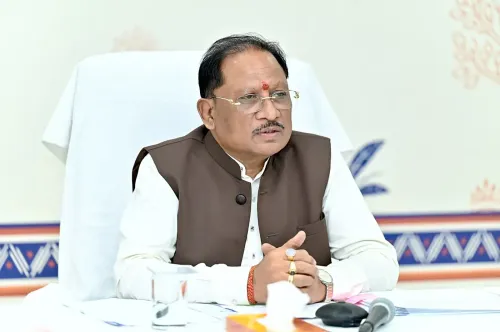
The Chief Minister's Office of Chhattisgarh on Sunday, June 7, 2026, conveyed a stern message from Chief Minister Vishnu Deo Sai to state officials, directing them to ensure that public grievances are resolved in a timely manner.
The post, shared from the official CMO handle, stated in Hindi: 'मुख्यमंत्री श्री विष्णुदेव साय का अधिकारियों को सख्त संदेश, जनता की समस्याओं का समय पर हो समाधान' — ('Chief Minister Shri Vishnu Deo Sai's strict message to officials: public problems must be resolved on time.')
Context
Vishnu Deo Sai became Chief Minister of Chhattisgarh in December 2023 following the BJP's victory in the state assembly elections. Since assuming office, his administration has undertaken a series of administrative reviews aimed at improving service delivery and grievance redressal across the state. Chhattisgarh, a centrally located state with a significant tribal population, has historically faced challenges in reaching citizens in remote and rural districts.
Policy Backdrop
Directing bureaucrats to resolve public grievances promptly is a well-established governance practice among Indian state governments. Since the mid-2010s, states across the country have expanded digital portals and district-level review mechanisms to track and dispose of citizen complaints more efficiently. In Chhattisgarh, these efforts have taken on added urgency given the state's geography and the concentration of welfare-dependent communities in tribal belts. CM Sai's latest directive fits within this broader national pattern of accountability-focused governance messaging.
Stakeholders and Impact
The primary audience for this directive is the state's administrative machinery — district collectors, block-level officers, and department heads who form the frontline of public service delivery. For ordinary citizens of Chhattisgarh, particularly in rural and tribal areas, timely grievance resolution translates directly into access to welfare schemes, land records, ration cards, and other essential services. A firm signal from the Chief Minister's Office can reinforce accountability norms within the bureaucracy and set expectations for measurable outcomes at the district level.
What's Next
Observers will watch for follow-up actions from the state administration, including district-level grievance disposal reports, review meetings convened by senior officials, or the announcement of new digital tracking systems to monitor complaint resolution timelines. The Sai government's ability to translate this directive into verifiable improvements in service delivery will be a key benchmark for its governance record as it moves further into its term.
Point of View
Especially in tribal and remote districts. Whether this message is backed by a structured review mechanism or remains rhetorical will determine its actual administrative impact.
NationPress
26 Oct 2026
Frequently Asked Questions
What did CM Vishnu Deo Sai say to Chhattisgarh officials?
CM Vishnu Deo Sai issued a strict message to state officials on June 7, 2026, directing them to ensure that public grievances and problems are resolved on time.
When did Vishnu Deo Sai become Chief Minister of Chhattisgarh?
Vishnu Deo Sai became Chief Minister of Chhattisgarh in December 2023 after the BJP won the state assembly elections.
How does Chhattisgarh handle public grievances?
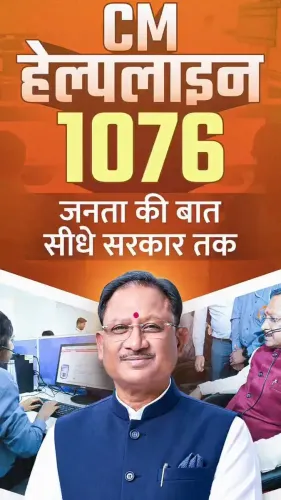
Chhattisgarh, like other Indian states, uses district-level review mechanisms and digital portals to register and track citizen complaints, though timely disposal — especially in rural and tribal areas — remains an ongoing challenge.
Why is grievance redressal important in Chhattisgarh?
Chhattisgarh has a large tribal and rural population that depends heavily on government welfare schemes and services, making timely grievance resolution critical for access to essentials like ration cards, land records, and welfare benefits.
What actions might follow CM Sai's directive to officials?
Follow-up actions could include district-level grievance disposal reviews, special administrative meetings, and the rollout or strengthening of digital tracking systems to monitor complaint resolution timelines.