CM Saini Congratulates Maj Abhilasha Barak on UN Gender Award
Synopsis
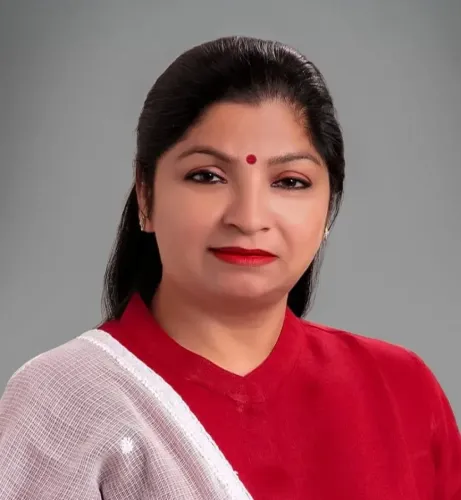
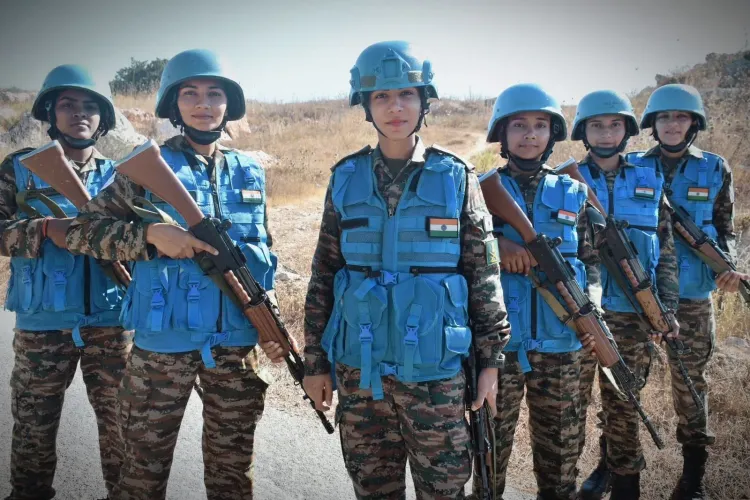
Haryana Chief Minister Nayab Singh Saini congratulated Major Abhilasha Barak on receiving the UN Military Gender Advocate of the Year award, calling her achievement a testament to her extraordinary leadership and dedication in international peacekeeping operations.
Key Takeaways
Haryana Chief Minister Nayab Singh Saini publicly congratulated Major Abhilasha Barak on June 7, 2026, via X.
Major Barak received the UN Military Gender Advocate of the Year award for her work in international peacekeeping missions.
India deployed its first all-female UN peacekeeping contingent to Liberia in 2007 , establishing a precedent for women's roles in such operations.
The Supreme Court of India in 2020 directed the grant of permanent commission to women officers in the Army.
The award aligns with UN Security Council Resolution 1325 (2000) , which promotes women's participation in peace and security.
India remains one of the largest troop-contributing nations to UN peacekeeping operations globally.
Haryana Chief Minister Nayab Singh Saini on Sunday, June 7, 2026, extended warm congratulations to Major Abhilasha Barak of the Indian Army after she was honoured with the prestigious United Nations Military Gender Advocate of the Year award, recognising her exceptional contributions to international peacekeeping missions.
Context
In his post on X, CM Saini wrote — 'संयुक्त राष्ट्र द्वारा मिलिट्री जेंडर एडवोकेट ऑफ द ईयर जैसे प्रतिष्ठित सम्मान से सम्मानित होने पर मेजर अभिलाषा बराक जी को हार्दिक बधाई' ['Heartfelt congratulations to Major Abhilasha Barak on being honoured with the prestigious Military Gender Advocate of the Year award by the United Nations']. He described her achievement as a reflection of her 'extraordinary professional competence, leadership, and dedication' in international peace-building operations.
The UN Military Gender Advocate of the Year award is presented by the United Nations to military personnel who have most effectively integrated gender perspectives into peacekeeping operations on the ground. It is among the most visible international recognitions for military officers serving in UN missions.
Policy Backdrop
India is consistently ranked among the largest troop-contributing countries to UN peacekeeping operations globally. The country's engagement with gender-inclusive peacekeeping has a defined lineage: in 2007, India deployed its first all-female UN peacekeeping contingent to Liberia, marking a landmark in the Indian Army's international role.
In 2020, the Supreme Court of India directed the grant of permanent commission to women officers in the Army, accelerating the integration of women into long-term and leadership roles. These steps align with UN Security Council Resolution 1325 (2000), which formally recognised the importance of women's participation in peace and security frameworks worldwide.
Stakeholders and Impact
Major Abhilasha Barak's recognition carries significance beyond individual achievement — it spotlights the growing role of Indian women officers in complex, multinational operational environments. For women serving in or aspiring to join the armed forces, such international recognition reinforces the institutional and policy shifts that have expanded their operational scope.
State-level leaders publicly acknowledging UN military honours — as CM Saini has done here — reflects a broader domestic alignment with India's international peacekeeping identity. Haryana, which has a historically strong tradition of military service, lends particular resonance to such acknowledgements from its Chief Minister.
What's Next
Attention will now turn to whether Major Barak's recognition accelerates policy conversations around expanding female deployment in UN missions and broadening induction pathways for women in the Indian Army. Further Indian nominations for UN gender-related military honours are also likely to be watched closely by defence and diplomatic circles.
The award underscores India's stated commitment to championing gender equity in multilateral security frameworks — a position that carries weight both at the United Nations and in domestic defence policy discourse.
Point of View
Saini signals alignment with a policy arc that runs from the Supreme Court's 2020 permanent commission ruling to India's active UN troop contributions. The public acknowledgement also reflects how state-level BJP leadership is increasingly amplifying national security and gender-equity milestones as part of their political messaging. Barak's award, at the intersection of military service and international recognition, offers a rare moment of consensus that transcends partisan lines.
NationPress
22 Sept 2026
Frequently Asked Questions
Who is Major Abhilasha Barak?
Major Abhilasha Barak is an Indian Army officer who has been honoured with the United Nations Military Gender Advocate of the Year award for her outstanding contributions to gender-inclusive international peacekeeping operations.
What is the UN Military Gender Advocate of the Year award?
The UN Military Gender Advocate of the Year is a prestigious United Nations award presented to military personnel who have most effectively integrated gender perspectives into UN peacekeeping missions.
Why did Haryana CM Nayab Singh Saini congratulate Major Abhilasha Barak?
CM Nayab Singh Saini congratulated Major Abhilasha Barak on June 7, 2026, after she received the UN Military Gender Advocate of the Year award, praising her extraordinary professional competence and leadership in peace-building operations.
What is India's history with UN peacekeeping and women officers?
India deployed its first all-female UN peacekeeping contingent to Liberia in 2007 and is consistently among the largest troop contributors to UN missions. The Supreme Court also directed permanent commission for women Army officers in 2020.
What is UN Security Council Resolution 1325?
UN Security Council Resolution 1325, adopted in 2000, formally recognised the importance of women's full and equal participation in peace and security processes, providing the global policy framework for awards like the one received by Major Barak.