CM Saini Joins SaveDemocracy March in Rohtak
Synopsis
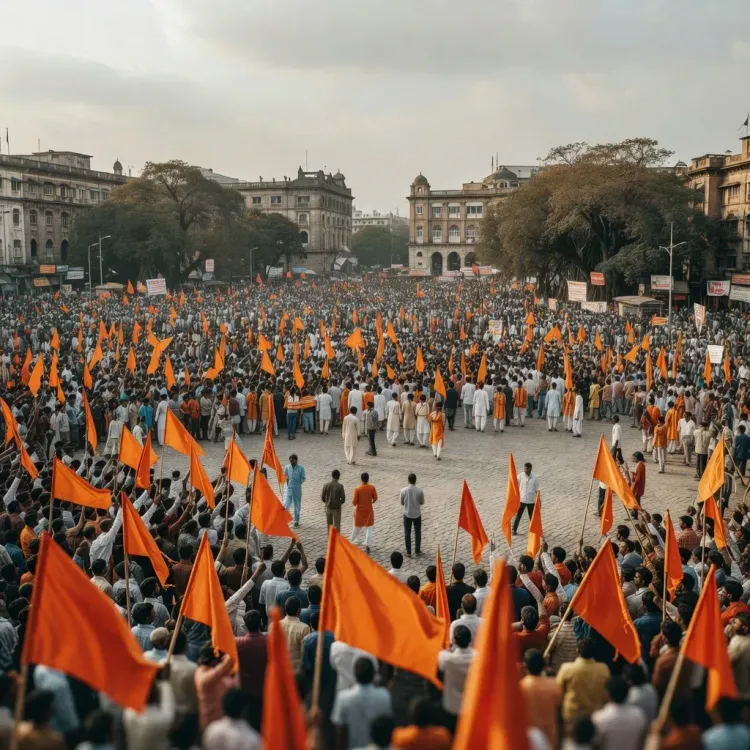
Haryana Chief Minister Nayab Singh Saini joined the BJP's 'Save Democracy, Remove Anarchy' march in Rohtak on November 1, 2026, with the BJP National President participating in the live-streamed event — a high-profile show of political mobilisation in Haryana's political heartland.
Key Takeaways
Haryana Chief Minister Nayab Singh Saini participated in the BJP's 'Save Democracy, Remove Anarchy' march on November 1, 2026 .
The event was held in Rohtak , a key political hub in Haryana.
The BJP National President also joined the march, giving it a national-level significance.
CM Saini broadcast the event live on X , extending its reach beyond the physical venue.
The march follows a broader BJP pattern of coordinated state-national outreach between electoral cycles.
Opposition parties in Haryana are expected to respond with counter-statements.
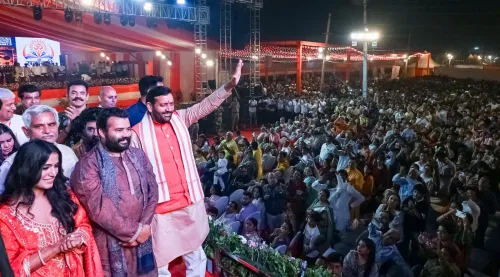
A rallying cry echoed through Rohtak on Sunday, November 1, 2026, as Haryana Chief Minister Nayab Singh Saini amplified the BJP's 'Save Democracy, Remove Anarchy' march — a coordinated show of political muscle in one of the state's most strategically significant cities.
Rohtak as the Stage: Why This City, Why Now
Rohtak is no ordinary backdrop. A political nerve centre in Haryana, the city has long served as a barometer of public mood in the state's heartland. The BJP's choice to anchor its 'Save Democracy, Remove Anarchy' march here signals a deliberate effort to contest ground where political competition is historically fierce.
The march, which CM Saini broadcast live on X, featured the participation of BJP National President — lending the event a weight that elevated it beyond a routine state-level rally into a nationally coordinated statement.
The 'Save Democracy' Frame and What It Targets
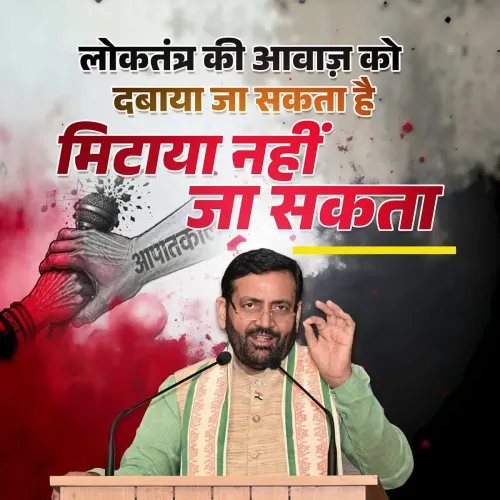
The slogan 'Save Democracy, Remove Anarchy' is a pointed piece of political messaging — framing the BJP as a defender of constitutional order while casting the opposition as a source of instability. Such marches are a familiar instrument in the party's outreach playbook: high visibility, live streaming, and national leadership participation that sends a signal both to supporters and rivals.
For CM Saini, who assumed office in 2024, public events of this scale serve a dual purpose — consolidating the party's base in Haryana and projecting governance credibility between electoral cycles. The live broadcast directly on social media further extends the march's reach far beyond Rohtak's streets.
What the Opposition Will Now Be Watching
Marches of this tenor rarely go unanswered. Opposition parties in Haryana are expected to issue counter-statements, and the BJP's state unit may announce follow-up events depending on the turnout and public response to Sunday's demonstration.
The live-streamed format — a live broadcast link shared directly by the Chief Minister — underscores how political mobilisation has migrated to real-time digital platforms, compressing the gap between street-level action and statewide narrative.
The streets of Rohtak have spoken once today. Whether the echo reaches the corridors of state politics will depend on what comes next.
Point of View
Remove Anarchy' march in Rohtak fits squarely into a well-worn BJP playbook: deploy national leadership to amplify state-level messaging, pick symbolically loaded venues, and live-stream the action to multiply reach. For CM Saini, who has governed Haryana since 2024, sustained public mobilisation is as much about consolidating the party's internal hierarchy as it is about winning over voters. The choice of Rohtak — historically contested political terrain — signals that the BJP is not coasting on incumbency but actively working to hold ground. Whether this march catalyses a fresh political cycle or remains a one-day spectacle will hinge on the opposition's response and any policy announcements that follow.
NationPress
1 Nov 2026
Frequently Asked Questions
What is the 'Save Democracy Remove Anarchy' march in Rohtak?
It is a BJP-organised public march held in Rohtak, Haryana, on November 1, 2026, aimed at projecting the party as a defender of democratic values while criticising the opposition. Haryana CM Nayab Singh Saini and the BJP National President participated in the event.
Why did BJP hold its march in Rohtak?
Rohtak is a politically significant city in Haryana with a history of major party events. The BJP chose it to maximise visibility and demonstrate strength in a historically competitive region of the state.
Who is Nayab Singh Saini?
Nayab Singh Saini is the Chief Minister of Haryana and a senior BJP leader who assumed office in 2024. He is also a member of the Bharatiya Janata Party's state leadership.
Was the Rohtak BJP march live-streamed?
Yes. CM Nayab Singh Saini shared a live broadcast link directly on his X account, allowing supporters across Haryana and beyond to watch the march in real time.
What will happen after the Rohtak march?
Opposition parties in Haryana are expected to issue counter-statements. The BJP state unit may also announce follow-up events depending on the turnout and public response to the demonstration.