CM Saini Launches Ashok Singhal Birth Centenary Year in Gurugram
Synopsis
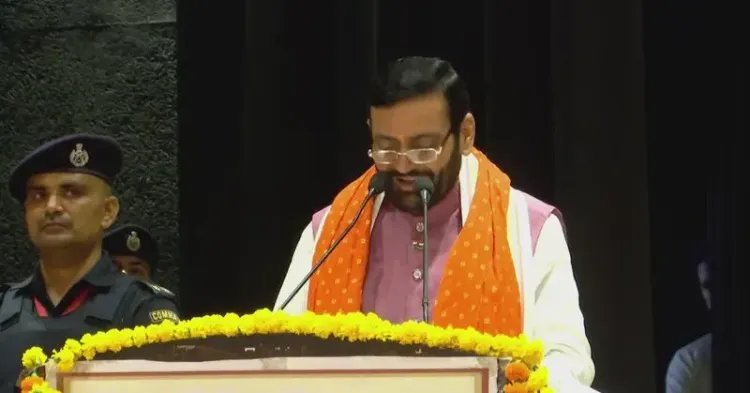
Haryana Chief Minister Nayab Singh Saini inaugurated the birth centenary year of VHP stalwart Ashok Singhal in Gurugram on September 27, 2026, honouring the key organiser of the Ram Janmabhoomi movement a decade after his death and two years after the Ayodhya temple consecration.
Key Takeaways
Haryana CM Nayab Singh Saini launched the Ashok Singhal birth centenary year in Gurugram on September 27, 2026 .
Ashok Singhal (1926–2015) was a senior RSS pracharak and the principal organiser of the Vishva Hindu Parishad (VHP) 's Ram Janmabhoomi campaign.
The centenary follows the Ram Temple consecration in Ayodhya in January 2024 , giving Singhal's legacy heightened retrospective significance.
The Gurugram ceremony was live-streamed, with CM Saini sharing the broadcast under #100YearsOfAshokJi on X.
Further centenary programmes are expected across other BJP-ruled states , reflecting a broader pattern of Sangh Parivar commemorative events.
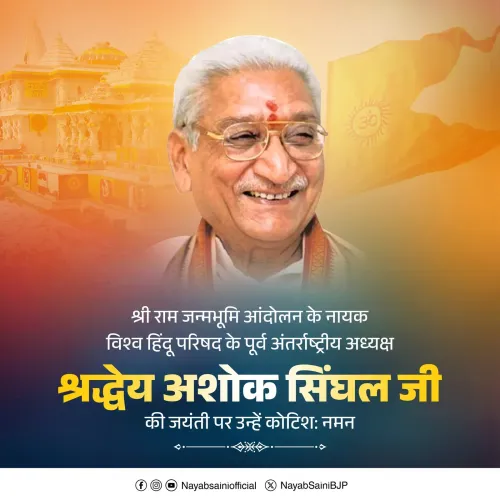
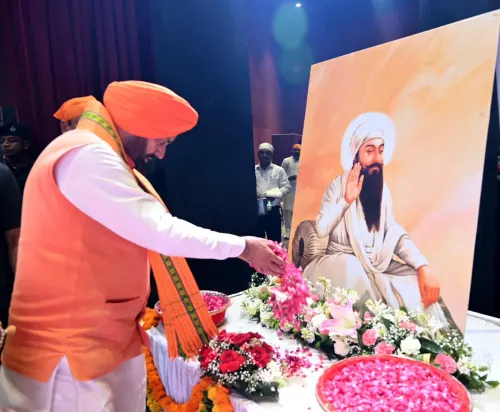
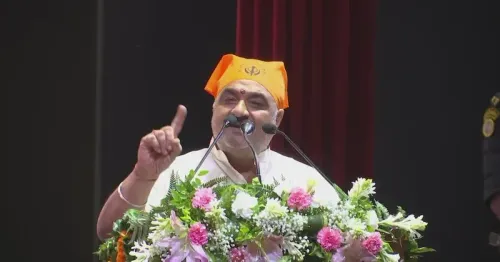
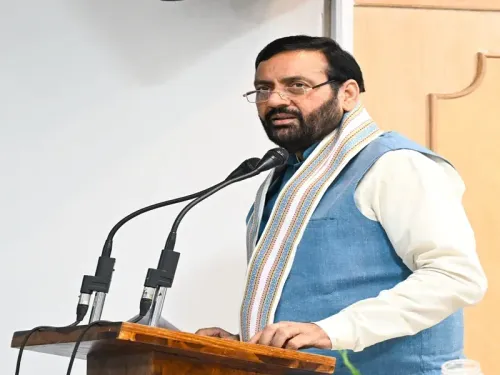
A century after the birth of one of the Sangh Parivar's most consequential organisers, Haryana Chief Minister Nayab Singh Saini on Sunday, September 27, 2026, inaugurated the centenary year celebrations of Vishva Hindu Parishad (VHP) stalwart Ashok Singhal at a formal launch ceremony in Gurugram. The event marks the opening of a year-long observance in honour of the man widely credited with sustaining the Ram Janmabhoomi movement across its most turbulent decades.
Who Was Ashok Singhal — and Why This Centenary Carries Weight
Ashok Singhal, born in 1926, rose through the Rashtriya Swayamsevak Sangh (RSS) as a senior pracharak before becoming the driving force of the Vishva Hindu Parishad, the Hindu nationalist body founded in 1964. For decades he was the most recognisable face of the Ayodhya movement — organising yatras, mobilising millions, and keeping the Ram temple demand at the centre of Indian public life long before it became government policy. He died in November 2015, nine years before he could see the temple consecrated.
The Ram Temple consecration in Ayodhya in January 2024 gave his legacy a dramatic retroactive weight. For the VHP and its allied organisations, a centenary celebration beginning now is explicitly framed as completing a circle — honouring the architect of a movement whose defining goal was finally realised.
Gurugram as Launchpad for a Nationwide Year of Events
Gurugram, Haryana's financial and corporate hub, hosts the ceremonial inauguration of what is expected to be a broader calendar of programmes across BJP-ruled states. Chief Minister Saini shared a live broadcast link of the Gurugram ceremony on X under the hashtags #AshokSinghal and #100YearsOfAshokJi, amplifying the event to a national digital audience. The state government's direct involvement signals official patronage rather than a purely organisational commemoration.
The pattern is familiar: BJP governments have regularly anchored centenary and memorial events around senior Sangh Parivar figures, using them to reinforce ideological continuity and cultural outreach — often timed to periods of heightened symbolic significance, such as the months following the Ayodhya consecration.
A Legacy Defined by the Ayodhya Movement
Singhal's significance to the Sangh ecosystem goes beyond his formal roles. He was the organiser who transformed the Ram temple demand from a religious aspiration into a political mass movement in the 1980s and 1990s, working alongside figures who would go on to shape Indian politics for a generation. The VHP under his leadership ran rath yatras, brick-collection drives (shila pujas), and nationwide mobilisation campaigns that put the Ayodhya issue on the front page — and kept it there. Marking his hundredth birth year is, for his followers, an act of institutional memory as much as personal tribute.
Further centenary events are expected across other states, with the possibility of statements linking them to ongoing temple-related or cultural policy announcements from the BJP's broader ideological programme.
The century begins today in Gurugram — but the movement it celebrates took root long before most of the people in that hall were born.
Point of View
Backed by a sitting Chief Minister, is a deliberate act of ideological reinforcement — converting personal tribute into institutional memory for the Sangh Parivar. Coming two years after the Ayodhya consecration, it frames Singhal as the visionary whose decades of groundwork made the temple possible, strengthening the BJP's narrative of historical continuity from movement to governance. For Chief Minister Saini, lending the Haryana government's platform to the event deepens his own credentials within the RSS-VHP ecosystem. Whether the centenary year generates fresh cultural-policy announcements or remains ceremonial will determine how much political heft these events ultimately carry.
NationPress
27 Sept 2026
Frequently Asked Questions
Who was Ashok Singhal and why is he significant?
Ashok Singhal (1926–2015) was a senior RSS pracharak and long-time leader of the Vishva Hindu Parishad. He was the central organiser of the Ram Janmabhoomi movement for decades and is widely credited with sustaining the campaign for a Ram Temple in Ayodhya until his death in 2015.
What is the Ashok Singhal birth centenary year event in Gurugram?
It is the formal inauguration of a year-long commemoration marking the 100th birth anniversary of VHP leader Ashok Singhal. Haryana Chief Minister Nayab Singh Saini launched the centenary year at a ceremony in Gurugram on September 27, 2026.
What is the connection between Ashok Singhal and the Ayodhya Ram Temple?
Ashok Singhal was the principal organiser of the VHP-led Ram Janmabhoomi movement from the 1980s onwards. He organised mass mobilisation campaigns, yatras, and brick-collection drives that kept the Ram Temple demand at the forefront of Indian politics. The temple was consecrated in January 2024, nine years after his death.
Why is CM Nayab Singh Saini attending the Ashok Singhal centenary event?
As Haryana Chief Minister and a BJP leader, Saini's participation reflects the state government's official patronage of the event. BJP governments regularly support centenary and memorial events for senior Sangh Parivar figures to reinforce ideological continuity.
Will there be more Ashok Singhal centenary events in other states?
The Gurugram ceremony is the launch event for what is expected to be a broader calendar of programmes. Further centenary observances are anticipated across other BJP-ruled states over the coming year.