CM Saini launches Guru Ravidas 650th birth anniversary campaign across Haryana

Synopsis
Haryana CM Nayab Singh Saini has announced the 'Guru Ravidas Maharaj Samrasta Sankalp Abhiyan', a statewide social harmony campaign running from 29 July 2026 to 20 February 2027 to commemorate the 650th Prakash Parv of the revered Bhakti saint Guru Ravidas Ji.
Key Takeaways
Haryana CM Nayab Singh Saini has announced the 'Guru Ravidas Maharaj Samrasta Sankalp Abhiyan' to be held statewide.
The campaign runs from 29 July 2026 to 20 February 2027 , spanning nearly seven months.
It marks the 650th Prakash Parv (birth anniversary) of the revered Bhakti saint Guru Ravidas Ji .
The campaign name centres on samrasta — social harmony — drawing directly from Guru Ravidas's teachings on caste equality.
The initiative covers the entire state of Haryana , signalling broad community outreach beyond urban centres.
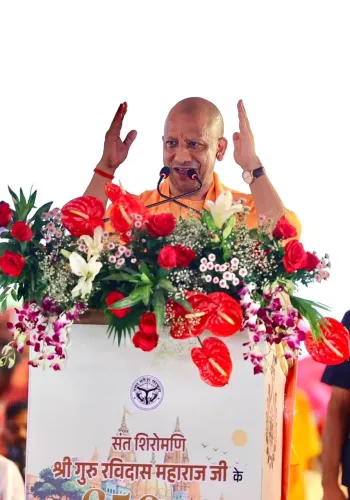
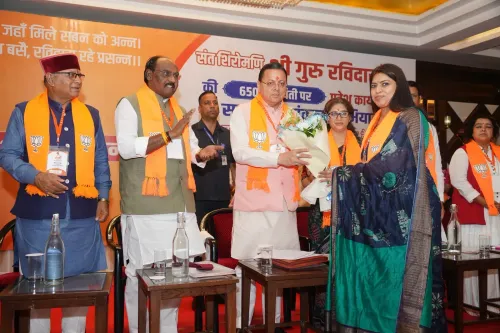
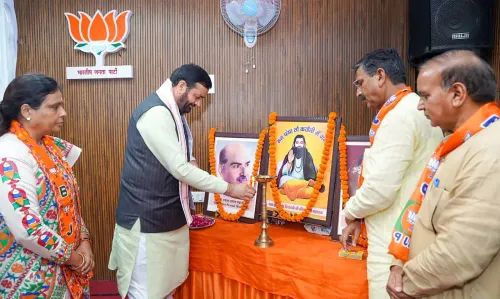
A seven-month statewide campaign honouring the 650th Prakash Parv of Guru Ravidas Ji is set to sweep across Haryana — and Haryana Chief Minister Nayab Singh Saini has put the full weight of his government behind it. The 'Guru Ravidas Maharaj Samrasta Sankalp Abhiyan' (Guru Ravidas Maharaj Social Harmony Pledge Campaign) will run from 29 July 2026 to 20 February 2027, marking one of the most significant religious and social milestones in recent memory for the state's Dalit communities.
What the Samrasta Sankalp Abhiyan means
The campaign's name carries deliberate weight. Samrasta — roughly translated as 'social harmony' or 'equal dignity' — is a concept closely associated with the Rashtriya Swayamsevak Sangh's outreach to Dalit communities and draws directly from Guru Ravidas's own teachings on the abolition of caste discrimination. By anchoring a months-long state programme to this term, the Saini government is framing the 650th Prakash Parv not merely as a religious observance but as an active pledge campaign spanning every district of Haryana.
Guru Ravidas Ji: the saint whose words still move millions
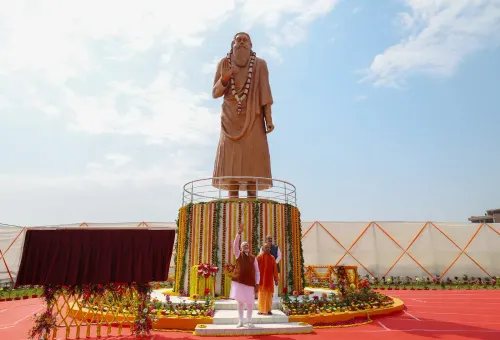
Guru Ravidas, the 15th-century poet-saint born in Varanasi, is among the most venerated figures in the Bhakti movement and a towering spiritual authority for the Ravidassia community and millions of Dalits across northern India and the diaspora. His banis (sacred hymns) are enshrined in the Guru Granth Sahib, and his vision of Begumpura — a city without sorrow, without caste — remains a living ideal for social-justice movements. In Haryana, where the Scheduled Caste population is among the highest in any Indian state, his legacy carries both spiritual and deeply political resonance.
Seven months, every corner of the state
The campaign's sweep — 29 July 2026 through 20 February 2027 — is structured to build momentum across the calendar, culminating around Guru Ravidas Jayanti, which falls in February each year. Running it statewide signals an intent to reach not just urban Dalit strongholds but rural pockets where the saint's teachings have long been the bedrock of community identity. The Saini government has not yet detailed the specific events, programmes, or funding envelope, but the framing as a sankalp (pledge) abhiyan suggests public oath-taking, cultural programmes, and community outreach will be central pillars.
When a government names a campaign after social harmony and ties it to a saint who preached the destruction of caste hierarchy, the message to every community in Haryana is unmistakable — and the next seven months will test whether the pledge translates into policy.
Point of View
Not just a provider of benefits. The seven-month duration, stretching to Guru Ravidas Jayanti, ensures sustained visibility through a politically sensitive calendar period. Whether the abhiyan delivers substantive community uplift or remains a mobilisation exercise will define its lasting impact.
NationPress
4 Aug 2026
Frequently Asked Questions
What is the Guru Ravidas Maharaj Samrasta Sankalp Abhiyan?
It is a statewide campaign announced by Haryana Chief Minister Nayab Singh Saini to mark the 650th Prakash Parv (birth anniversary) of Guru Ravidas Ji, promoting social harmony across Haryana from 29 July 2026 to 20 February 2027.
When will the Guru Ravidas 650th Prakash Parv campaign run in Haryana?
The campaign will run from 29 July 2026 to 20 February 2027 , culminating around Guru Ravidas Jayanti in February 2027.
Who is Guru Ravidas Ji and why is his 650th Prakash Parv significant?
Guru Ravidas was a 15th-century Bhakti poet-saint from Varanasi whose hymns are enshrined in the Guru Granth Sahib. His 650th birth anniversary is a major milestone for millions of Dalit and Ravidassia devotees across India and the global diaspora.
What does 'Samrasta' mean in the campaign name?
'Samrasta' means social harmony or equal dignity. The term reflects Guru Ravidas Ji's teachings on the abolition of caste discrimination and is the philosophical core of the campaign.
Which state is running this Guru Ravidas Prakash Parv campaign?
The campaign is being run by the government of Haryana , announced by Chief Minister Nayab Singh Saini on 4 August 2026.