CM Nayab Saini marks Haryana Diamond Jubilee at Kurukshetra
Synopsis
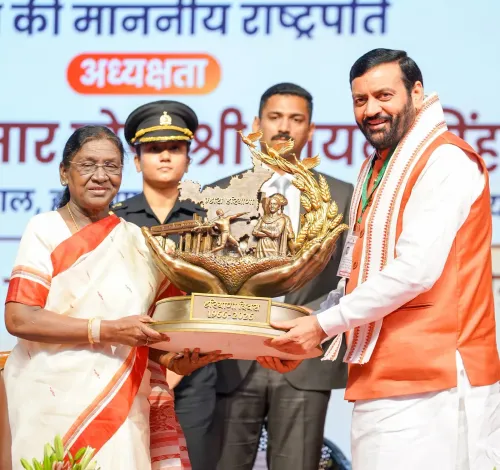
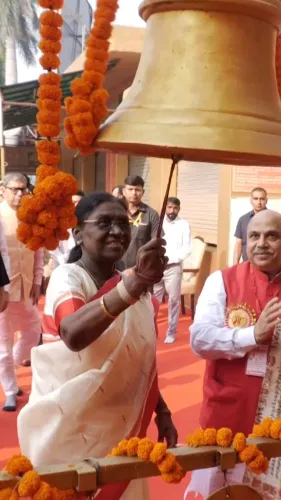
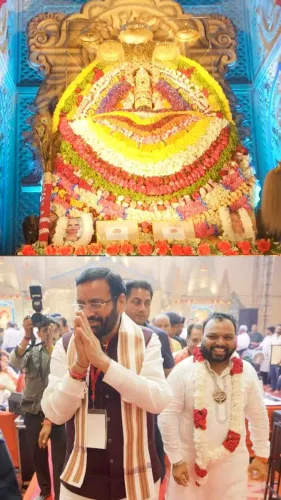
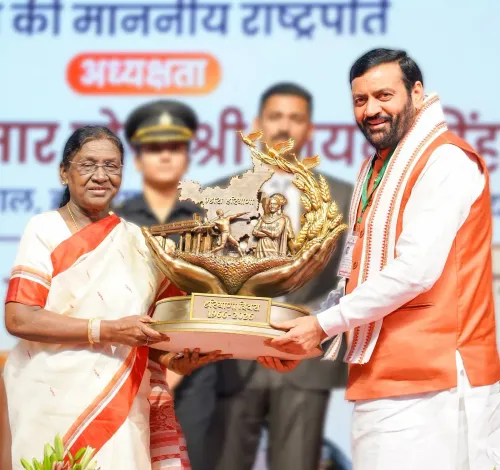
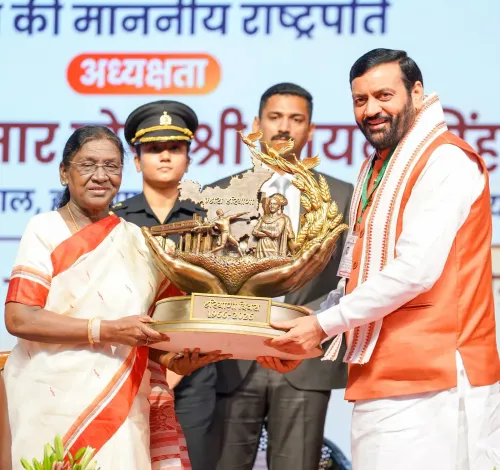
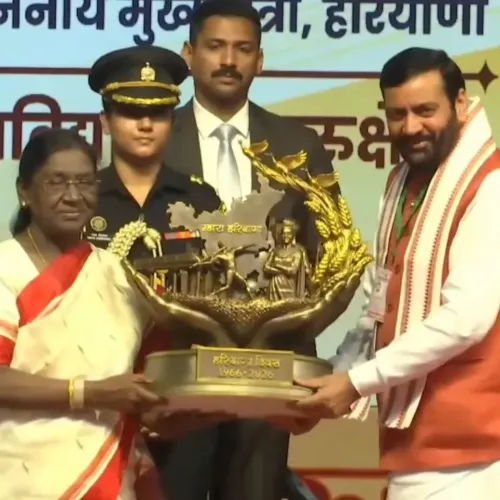
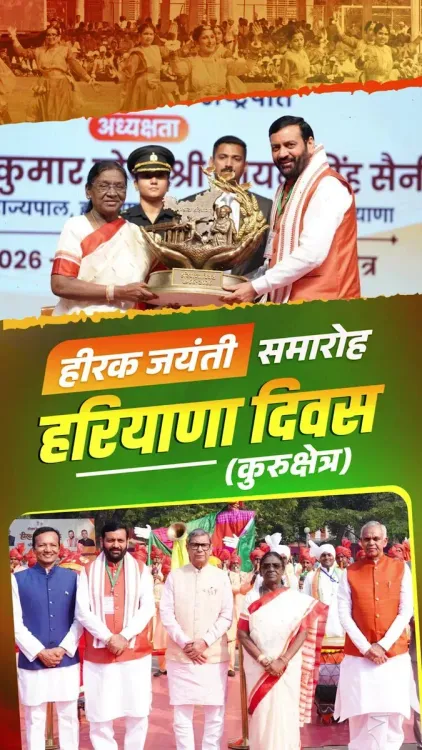
Haryana Chief Minister Nayab Singh Saini joined the state's Diamond Jubilee celebrations in Kurukshetra on 2 November 2026, marking 60 years since the state's formation in 1966, with Rashtrapati Bhavan tagged in what signals high-level national participation.
Key Takeaways
Haryana turned 60 years old on 1 November 2026 , marking its Diamond Jubilee ( Heerak Jayanti ).
The state was constituted on 1 November 1966 after separation from Punjab .
Chief Minister Nayab Singh Saini participated in the Haryana Diwas celebrations held in Kurukshetra .
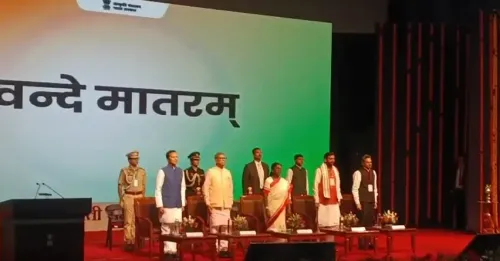
Rashtrapati Bhavan was tagged in the CM's post, indicating central government participation at a constitutional level.
Kurukshetra was chosen as the venue, reinforcing the city's role as Haryana's ceremonial and heritage anchor.
Sixty years after Haryana was carved out of Punjab on 1 November 1966, the state's Diamond Jubilee — its Heerak Jayanti — arrived at one of India's most storied addresses: Kurukshetra. Haryana Chief Minister Nayab Singh Saini marked the occasion on Monday, 2 November 2026, sharing a post that placed the landmark celebrations squarely in the ancient city and tagged Rashtrapati Bhavan, signalling high-level national participation in the state's sixtieth-anniversary commemoration.
Why Kurukshetra, why now
The choice of Kurukshetra is rarely accidental. The city, synonymous with the Mahabharata's battlefield and a dense cluster of religious and heritage sites, has long served as the ceremonial heart of Haryana's public imagination. State governments have repeatedly anchored major functions here precisely because Kurukshetra carries a weight that administrative capitals alone cannot — it frames a modern occasion within a civilisational timeline. Hosting the Diamond Jubilee here amplifies that signal: sixty years of statehood set against millennia of history.
Sixty years of Haryana: the milestone in numbers
Haryana was formally constituted on 1 November 1966 following the States Reorganisation Commission's recommendation to create a separate Hindi-speaking state out of the then-bilingual Punjab. From a largely agrarian economy at its founding, the state has grown into one of India's most industrialised, home to automotive and technology corridors around Gurugram and Faridabad. The Diamond Jubilee — marking 60 years — is considered a generational threshold, the first such anniversary for a living population that has seen the state's full arc of development.
Rashtrapati Bhavan's role in the Heerak Jayanti
The explicit mention of Rashtrapati Bhavan in CM Saini's post points toward central government involvement at the highest constitutional level. Indian states routinely seek the President's presence at landmark anniversaries as a mark of national solidarity and federal affirmation. While exact programme details remain to be officially announced, the tag is a strong indicator that the celebrations carry significance well beyond routine state-day observances.
For CM Saini and Haryana's BJP government, the Diamond Jubilee is also a moment of political storytelling — aligning the party's governance narrative with a once-in-a-generation milestone, projecting continuity and ambition as the state steps into its seventh decade. The optics of Kurukshetra, constitutional participation, and sixty-year pride converge into a single, carefully composed frame.
Haryana at sixty is not merely celebrating an anniversary — it is choosing, very deliberately, the stage on which it wants to be seen.
Point of View
Indian states have used landmark anniversaries to push accelerated development commitments and infrastructure announcements, so the Jubilee will be watched as a policy signpost. The event also reinforces how India's federal politics increasingly uses cultural geography — a Kurukshetra, a Varanasi, an Ayodhya — as the staging ground for consequential political moments.
NationPress
2 Nov 2026
Frequently Asked Questions
When was Haryana formed and why is 2026 the Diamond Jubilee?
Haryana was established on 1 November 1966 after being carved out of the then-bilingual state of Punjab . The year 2026 marks exactly 60 years since that formation, which is traditionally called a Diamond Jubilee or Heerak Jayanti .
Why were the Haryana Diamond Jubilee celebrations held in Kurukshetra?
Kurukshetra is Haryana's most historically and culturally prominent city, associated with the Mahabharata and major religious sites. State governments regularly choose it for flagship events to connect modern governance milestones with the region's deep civilisational heritage.
What is CM Nayab Singh Saini's role in the Heerak Jayanti?
Nayab Singh Saini is the Chief Minister of Haryana and participated in the Diamond Jubilee celebrations in Kurukshetra on 2 November 2026 , representing the state government at the flagship statehood anniversary event.
Why did CM Saini tag Rashtrapati Bhavan in his post?
Tagging Rashtrapati Bhavan — the official residence of the President of India — strongly suggests the President's participation or official involvement in the Haryana Diamond Jubilee celebrations, which is a common way to signal national solidarity at major state anniversaries.
What is the significance of Haryana's 60th anniversary compared to earlier milestones?
The Diamond Jubilee at 60 years is a generational milestone — the first such anniversary witnessed by a population that has seen the state's entire arc from an agrarian economy in 1966 to an industrial and services hub today. It carries greater ceremonial and political weight than the silver or golden jubilees.