CM Saini Meets NGOs and Chemist Association in Panchkula
Synopsis
Haryana Chief Minister Nayab Singh Saini convened a live stakeholder meeting with NGOs and the Chemist Association of Panchkula on 11 July 2026, continuing the BJP government's pattern of direct civil society outreach on health and welfare delivery issues.
Key Takeaways
Haryana Chief Minister Nayab Singh Saini held a live meeting with NGOs and the Chemist Association of Panchkula on 11 July 2026 .
The session was streamed live on the Chief Minister's official X account, making it publicly accessible.
Panchkula , part of the Chandigarh Tricity region, is home to a significant network of civil society groups and pharmaceutical retailers.
The consultation falls within a broader pattern of Haryana government outreach to trade bodies and NGOs on health and welfare implementation.
Possible outcomes include revised NGO guidelines or chemist licensing updates, which may surface in future state health department notifications.
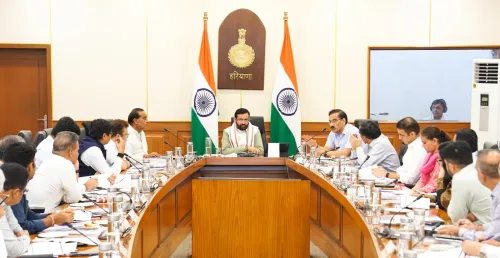
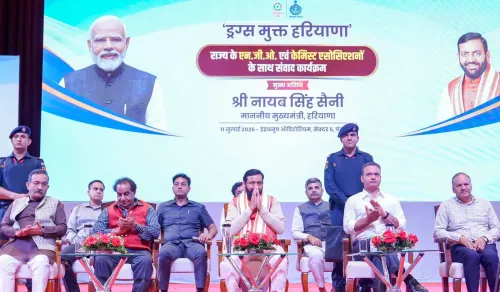
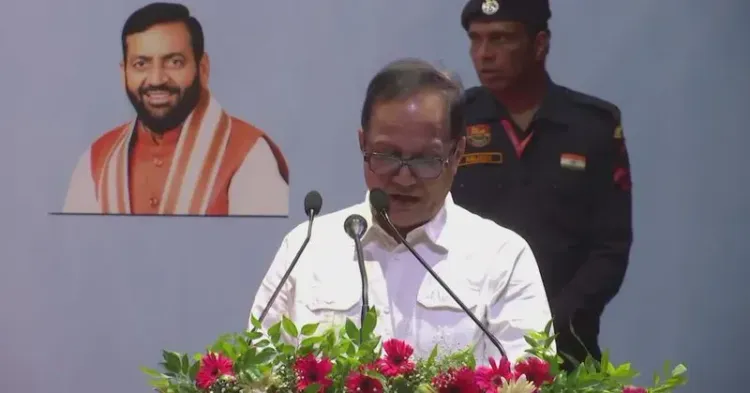
Haryana Chief Minister Nayab Singh Saini on Saturday, 11 July 2026, convened a live meeting with all non-governmental organisations and the Chemist Association of Panchkula, signalling the state government's continued outreach to civil society and trade bodies on ground-level concerns. The session, streamed live on the Chief Minister's official X account, brought together stakeholders from the health and welfare delivery ecosystem in the Panchkula district.
Context
The meeting was announced directly through Saini's post on X, which read: 'LIVE: Meeting with All NGOs & Chemist Association (Panchkula)' — indicating a real-time, open-format interaction rather than a closed-door session. Panchkula, a planned urban district forming part of the Chandigarh Tricity region, hosts a dense network of civil society organisations and a well-organised pharmaceutical retail sector, making it a key constituency for state-level consultations.
Chief Minister Saini, who assumed office in March 2024 succeeding Manohar Lal Khattar, has maintained a pattern of direct stakeholder engagement as part of the BJP-led Haryana government's governance approach. Live-streaming such interactions underscores an emphasis on transparency and public accessibility.
Policy Backdrop
Haryana governments have periodically consulted NGOs and trade bodies on health and welfare delivery since the expansion of state-specific schemes under the National Health Mission framework from 2015 onward. Chemist associations across the state have been key interlocutors on issues ranging from drug distribution logistics and retail licensing to the implementation of Jan Aushadhi and generic medicine mandates.
Across India, state chief ministers routinely convene such stakeholder roundtables to gather on-the-ground feedback and address implementation gaps — particularly in sectors like public health, where last-mile delivery depends heavily on both civil society networks and licensed retail pharmacists. In Haryana, these consultations have often fed into subsequent state health department notifications and policy revisions.
Stakeholders and Impact
The primary participants in Saturday's session were NGOs operating in Panchkula and members of the local Chemist Association, whose concerns typically span drug pricing compliance, licensing procedures, and coordination with government welfare schemes. Residents of Panchkula stand to benefit if the meeting yields clearer guidelines or streamlined processes for medicine access and NGO-led welfare delivery.
For the chemist community specifically, direct access to the Chief Minister provides an opportunity to flag regulatory bottlenecks that may not surface through routine departmental channels. NGOs, meanwhile, can raise concerns about funding pipelines, beneficiary identification, and last-mile service gaps in the district.
What's Next
Observers will watch for follow-up action from the Haryana Health Department or the state's welfare directorate in the coming weeks, potentially in the form of revised NGO operating guidelines or updates to chemist licensing norms. Any outcomes from this consultation could be reflected in upcoming Haryana assembly sessions or through administrative orders issued at the district level. The live format of the meeting suggests the government may share outcomes or a summary publicly, keeping civic engagement at the centre of its communication strategy.
Point of View
While routine in form, carry political weight in urban constituencies like Panchkula where organised trade bodies and civil society groups are vocal and electorally significant. The chemist community in particular has emerged as an important stakeholder in state health policy since the push for generic medicine retail expanded under national schemes. How the government translates this consultation into concrete policy action will determine whether the engagement is substantive or primarily symbolic.
NationPress
10 Oct 2026
Frequently Asked Questions
Why did Haryana CM Nayab Singh Saini meet the Chemist Association in Panchkula?
Chief Minister Nayab Singh Saini met the Chemist Association and NGOs in Panchkula on 11 July 2026 to gather stakeholder feedback on health delivery and welfare implementation at the district level, continuing the Haryana government's pattern of direct civil society consultations.
What is the Chemist Association of Panchkula?
The Chemist Association of Panchkula is a local body representing pharmacists and medicine retailers in the district. It engages with government on issues including drug distribution, retail licensing, and compliance with medicine pricing norms.
Who is Nayab Singh Saini?
Nayab Singh Saini is the Chief Minister of Haryana and a BJP leader. He assumed office in March 2024, succeeding Manohar Lal Khattar, and has continued the party's governance agenda in the state.
What could come out of the Panchkula NGO and chemist meeting?
Possible outcomes include revised guidelines for NGO operations, updates to chemist licensing procedures, or improved coordination mechanisms for welfare scheme delivery — any of which could be formalised through Haryana Health Department notifications or state assembly proceedings.
What is Panchkula known for in Haryana?
Panchkula is a planned city and district in Haryana, forming part of the Chandigarh Tricity urban agglomeration. It has a significant administrative and civic presence, with active trade associations and non-governmental organisations engaged in welfare delivery.