CM Samrat Choudhary Reviews Bihar OBC-EBC Welfare Dept
Synopsis
Chief Minister Samrat Choudhary on 23 June 2026 chaired a formal review of Bihar's Backward Class and Extremely Backward Class Welfare Department at Sankalp Sabhagar, Patna, signalling continued administrative focus on OBC and EBC scheme delivery following the state's landmark 2023 caste survey.
Key Takeaways
CM Samrat Choudhary chaired a review meeting of the Backward Class and Extremely Backward Class Welfare Department on 23 June 2026 .
The meeting was held at Sankalp Sabhagar inside Lok Sevak Awas , Patna — the government's standard venue for high-level departmental reviews.
The department oversees scholarships, hostels, and skill programmes for OBC and EBC communities across Bihar.
Bihar's OBC-EBC welfare focus intensified after the 2023 caste survey , which led to enhanced reservation legislation.
State-level welfare programmes for EBC groups date back to 2005 , including the Extremely Backward Class Development Fund .
The next Bihar state budget is the key milestone to watch for revised OBC-EBC welfare outlays following this review.
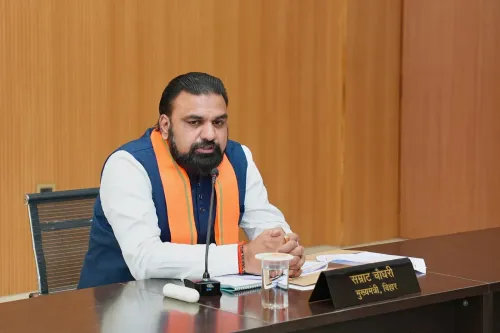
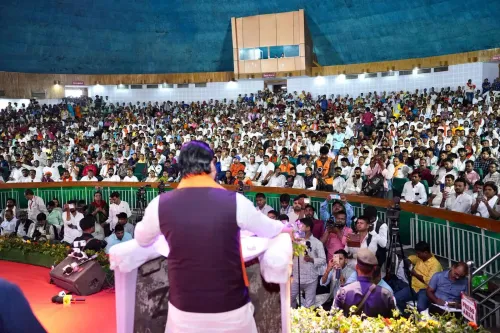
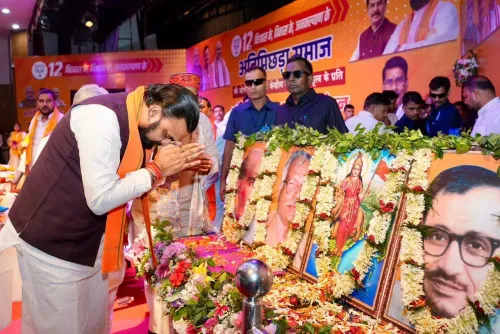
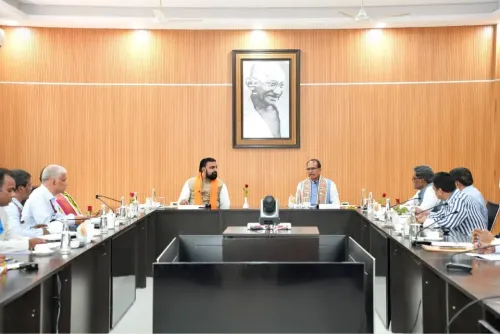
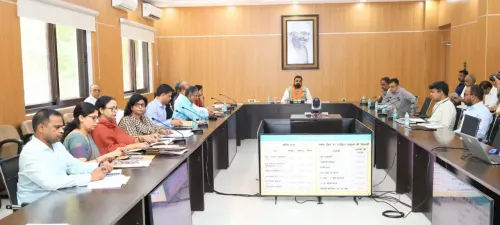
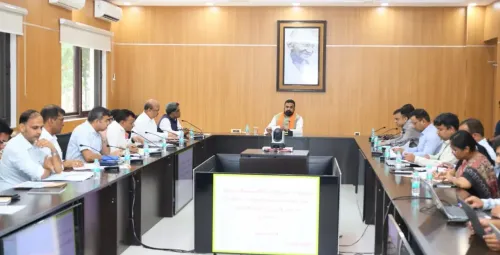
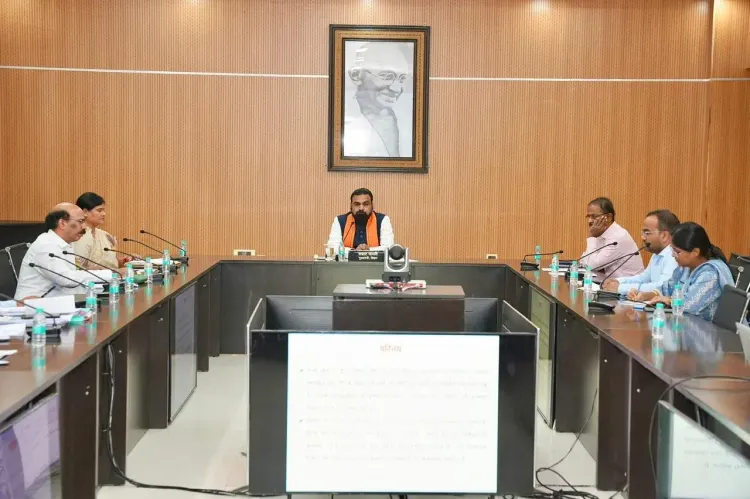
The Chief Minister's Office of Bihar announced on Tuesday, 23 June 2026, that Chief Minister Samrat Choudhary chaired a formal review meeting of the state's Backward Class and Extremely Backward Class Welfare Department at Sankalp Sabhagar, located inside Lok Sevak Awas in Patna.
The official post stated: 'माननीय मुख्यमंत्री श्री सम्राट चौधरी जी ने आज लोक सेवक आवास स्थित 'संकल्प सभागार' में पिछड़ा वर्ग एवं अति पिछड़ा वर्ग कल्याण विभाग की समीक्षा बैठक की।' — ('The Honourable Chief Minister Shri Samrat Choudhary today held a review meeting of the Backward Class and Extremely Backward Class Welfare Department at Sankalp Sabhagar, Lok Sevak Awas.')
Context
Sankalp Sabhagar is a dedicated conference hall within the Lok Sevak Awas complex in Patna, regularly used by the Bihar government for high-level cabinet and departmental reviews. Such structured review meetings are a standard mechanism through which the Chief Minister's Office monitors fund utilisation and scheme delivery across departments.
The Backward Class and Extremely Backward Class Welfare Department is responsible for designing, funding, and monitoring a wide range of programmes — including post-matric scholarships, residential hostels, and skill development initiatives — targeted at Other Backward Class (OBC) and Extremely Backward Class (EBC) communities across Bihar.
Policy Backdrop
Bihar's focus on OBC and EBC welfare has deep administrative roots. Since 2005, successive state governments have run dedicated programmes such as the Extremely Backward Class Development Fund and post-matric scholarship schemes to address documented socio-economic gaps among these communities.
The policy focus intensified following Bihar's 2023 caste survey, after which the state assembly passed legislation raising reservation quotas for OBC, EBC, SC, and ST categories. The survey data prompted renewed scrutiny of whether welfare outlays were reaching intended beneficiaries, making departmental review meetings a more prominent governance instrument.
Stakeholders and Impact
OBC and EBC communities together constitute a significant share of Bihar's population and are the primary beneficiaries of the department's schemes. Regular high-level reviews signal administrative intent to tighten oversight of scholarship disbursements, hostel infrastructure, and skill programme coverage.
State welfare officials and district-level administrators are key operational stakeholders, as review meetings typically assess on-ground implementation gaps and set targets for the coming quarter. Bihar politics has long treated caste-based welfare as a core governance plank, meaning such reviews carry both administrative and political weight.
What's Next
Observers will watch the next Bihar state budget for any revised allocations under the OBC and EBC welfare head, as departmental reviews often precede announcements on expanded scholarships, new hostel projects, or enhanced skill development funding.
Any follow-up directives issued by CM Samrat Choudhary's office to the department will indicate whether the 23 June 2026 review translates into concrete policy changes or accelerated programme delivery on the ground.
Point of View
Particularly for scholarship and hostel schemes where fund utilisation has historically lagged targets. The political subtext is clear: in Bihar, welfare delivery for backward classes is not merely social policy — it is the central axis of competitive politics.
NationPress
24 Jun 2026
Frequently Asked Questions
What did Bihar CM Samrat Choudhary do on 23 June 2026?
CM Samrat Choudhary chaired a review meeting of Bihar's Backward Class and Extremely Backward Class Welfare Department at Sankalp Sabhagar, Lok Sevak Awas, Patna, on 23 June 2026.
What is the Backward Class and Extremely Backward Class Welfare Department in Bihar?
It is a Bihar state government department responsible for designing and monitoring welfare schemes — including scholarships, hostels, and skill programmes — for OBC and EBC communities.
Where is Sankalp Sabhagar in Patna?
Sankalp Sabhagar is a conference hall located inside the Lok Sevak Awas complex in Patna, used regularly for high-level government and cabinet review meetings.
How did Bihar's 2023 caste survey affect OBC and EBC welfare policy?
The 2023 caste survey led the Bihar state assembly to pass legislation increasing reservation quotas for OBC, EBC, SC, and ST categories, and prompted greater scrutiny of welfare fund utilisation for these groups.
What welfare schemes does Bihar run for Extremely Backward Classes?
Bihar has run targeted EBC programmes since 2005, including the Extremely Backward Class Development Fund and post-matric scholarships, alongside hostel and skill development initiatives managed by the welfare department.