CM Sawant backs Konkani's future at 34th Parishad Adhiveshan
Synopsis
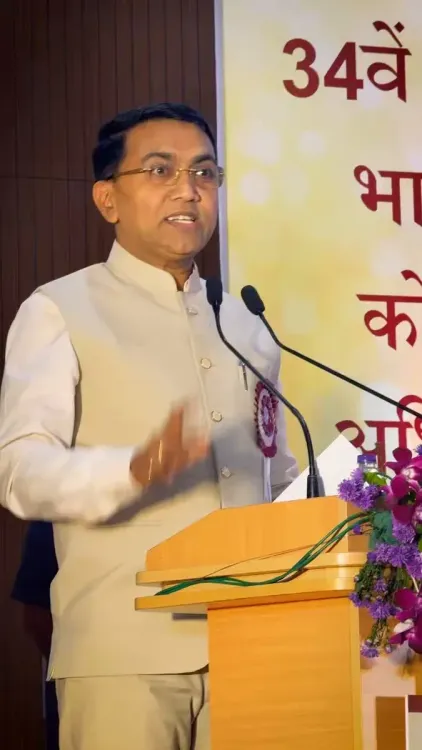
Goa Chief Minister Pramod Sawant has highlighted the 34th All India Konkani Parishad Adhiveshan, calling it a platform to celebrate Konkani literary heritage and shape its future in education, research and the digital age.
Key Takeaways
Goa CM Pramod Sawant marked the 34th All India Konkani Parishad Adhiveshan on 14 November 2026 .
The Adhiveshan brings together Konkani scholars, writers and language enthusiasts from across India.
Key focus areas are Konkani's future in education, research and the digital age .
Konkani was included in the Eighth Schedule of the Indian Constitution in 1992 after sustained advocacy.
Goa established Konkani as a medium of primary school instruction in the 1980s and 1990s .
Possible follow-up outcomes include digital archives, research grants and curriculum updates for the language.
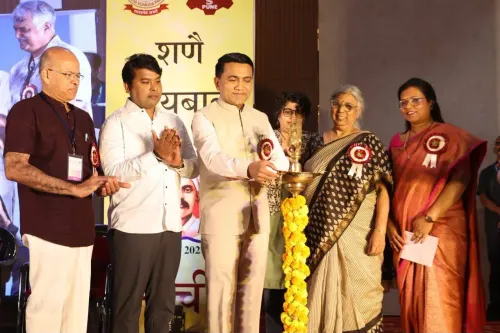
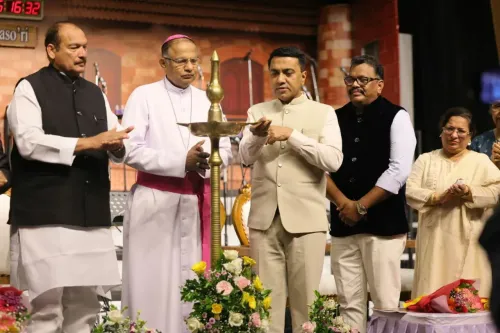
Centuries of literary tradition, one national stage. Goa Chief Minister Pramod Sawant marked the convening of the 34th All India Konkani Parishad Adhiveshan on Saturday, 14 November 2026, saluting a gathering that draws scholars, writers and language enthusiasts from across India to chart where Konkani goes next — in classrooms, research labs and the digital world.
A language that fought for its seat at the table
Konkani's journey to recognition was hard-won. It took until 1992 for the language to be inscribed in the Eighth Schedule of the Indian Constitution — the national roster of officially recognised tongues — after decades of advocacy by exactly the kind of scholars the Adhiveshan brings together. Goa, where Konkani holds the status of official state language, has anchored that push since the 1980s, when the state began establishing it as a medium of instruction in primary schools. The literary heritage predates those policy wins by centuries.
Education, research and the digital shift on the agenda
The All India Konkani Parishad convenes its conference series to do more than celebrate — it sets direction. The 34th edition places a deliberate focus on three frontiers: education, research and digital adaptation. That framing is not accidental. India's National Education Policy has pushed mother-tongue instruction to the front of curriculum debates, creating both political will and institutional space for regional languages to assert a stronger presence in formal learning. Digitising scripts, building searchable archives, training language models — these are the new battlegrounds for a language's survival.
CM Sawant, who has backed state-level Konkani preservation initiatives throughout his tenure, described the Adhiveshan as an opportunity to 'celebrate our rich literary heritage and explore its future.' The dual framing — celebration and exploration — signals that the gathering is meant to produce forward-looking outcomes, not just commemoration.
What follows the Adhiveshan
Language conferences of this kind often seed tangible follow-through: digital archive projects, research grants, school curriculum updates. With the Goa government's institutional weight behind Konkani and a national body convening its 34th such gathering, the conditions for concrete announcements — on digitisation, scholarship funding or pedagogical frameworks — are in place. The Adhiveshan's conclusions will be worth watching closely.
Point of View
Championing Konkani is both a political and administrative imperative — the language's constitutional status demands institutional support. The Adhiveshan's digital and education focus aligns with the National Education Policy push for mother-tongue instruction, giving state-level cultural events a new policy hook. Whether the conference translates into funded programmes or remains symbolic will be the real test of institutional commitment.
NationPress
14 Nov 2026
Frequently Asked Questions
What is the All India Konkani Parishad Adhiveshan?
The All India Konkani Parishad Adhiveshan is a periodic national conference organised by the All India Konkani Parishad to advance Konkani literature, scholarship and cultural activities. The 34th edition focuses on Konkani's future in education, research and the digital age.
When was Konkani added to the Eighth Schedule of the Indian Constitution?
Konkani was included in the Eighth Schedule of the Indian Constitution in 1992 , granting it official national recognition after decades of advocacy by language scholars and community organisations.
What is Goa's official language?
Konkani is the official language of Goa. The state began promoting Konkani as a medium of instruction in primary schools from the 1980s and 1990s.
What is the National Education Policy's stance on regional languages?
India's National Education Policy promotes mother-tongue and regional language instruction in early schooling, creating institutional space for languages like Konkani to expand their role in formal education curricula.
What outcomes can be expected from the 34th Konkani Parishad Adhiveshan?
Likely follow-up announcements may include Konkani digital archive projects, research grants and updates to school curricula in Goa, building on the conference's focus on education, research and digitalisation.