CM Sukhu Celebrates Minjar Mela's Cultural Evening in Chamba
Synopsis
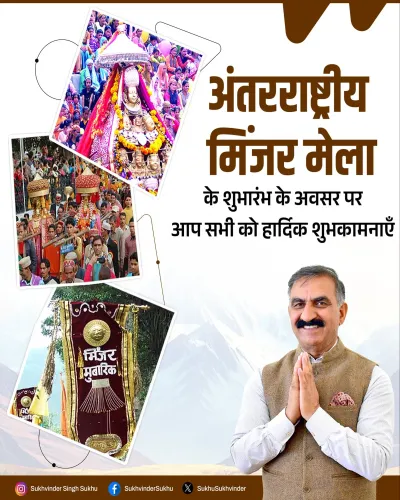
Himachal Pradesh CM Sukhvinder Singh Sukhu hailed the cultural evening of the Minjar Mela in Chamba on 2 August 2026, calling it a celebration of timeless Pahari traditions and wishing residents 'Minjar Mubarak'. The annual fair spotlights Chamba's distinct folk arts and royal heritage.
Key Takeaways
CM Sukhvinder Singh Sukhu publicly celebrated the cultural evening of the Minjar Mela on 2 August 2026 .
The Minjar Mela is an annual fair in Chamba district , Himachal Pradesh, marking the ripening of the maize crop through folk performances and processions.
Sukhu described the event as spreading 'an incomparable radiance of cultural grandeur and timeless traditions.' He greeted residents with the traditional phrase 'मिंजर मुबारक, चंबा' — 'Congratulations on Minjar, Chamba.' Himachal Pradesh governments have routinely used district fairs like Minjar Mela and Kullu Dussehra to promote folk heritage and regional tourism.
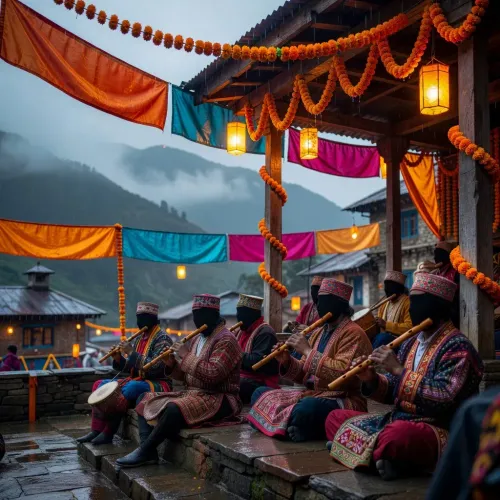
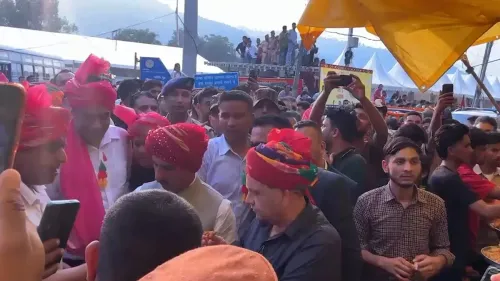
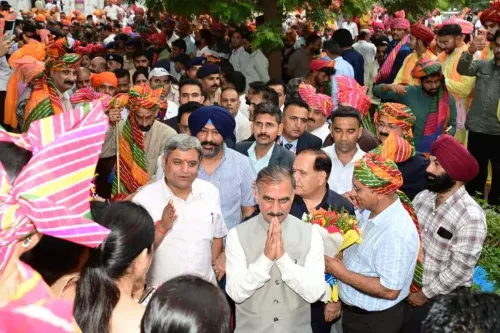
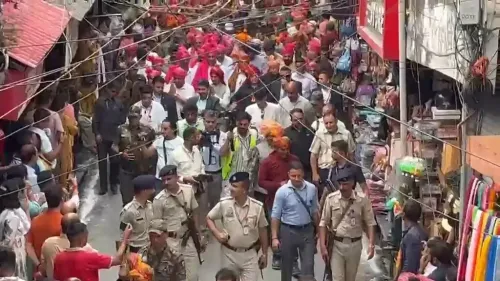
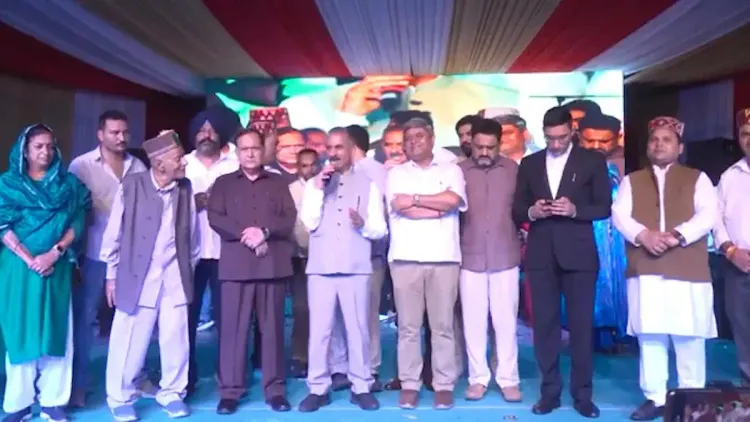
Folk colours lit up the night sky over Chamba as the cultural evening of the Minjar Mela unfolded in full splendour on Sunday, 2 August 2026 — and Himachal Pradesh Chief Minister Sukhvinder Singh Sukhu made sure the moment did not pass unnoticed.
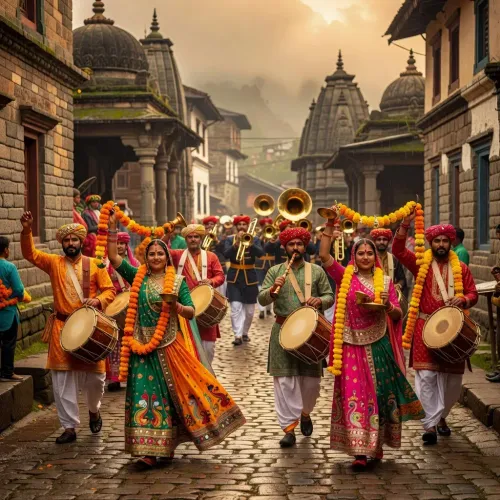
Sharing his impressions on X, CM Sukhu wrote that the cultural evening was spreading 'सांस्कृतिक वैभव और शाश्वत परंपराओं का अनुपम आलोक' — 'an incomparable radiance of cultural grandeur and timeless traditions.' He noted that live performances by artists were drenching the atmosphere in the colours of folk art, and closed with the traditional greeting: 'मिंजर मुबारक, चंबा' — 'Congratulations on Minjar, Chamba.'
What the Minjar Mela means to Chamba
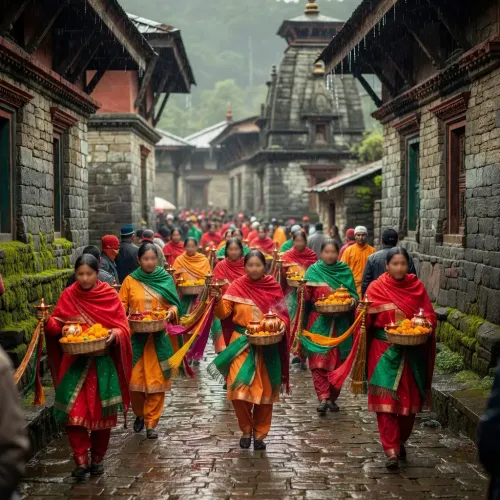
The Minjar Mela is one of Himachal Pradesh's most distinctive annual fairs, rooted in Chamba's centuries-old Pahari traditions. The festival celebrates the ripening of the maize crop — 'minjar' refers to the silk tassel of the corn — and is marked by colourful processions, folk music, dance performances and the ritual immersion of minjars in the Ravi river. Chamba's royal legacy and its wealth of ancient temples give the fair a ceremonial weight that few district-level events in the hill states can match.
The district has long been regarded as a living museum of Pahari culture, from its intricate Chamba rumals (embroidered handkerchiefs) to its distinct school of miniature painting. The Minjar Mela brings these threads together in one public, participatory celebration — keeping folk arts alive not in a museum but on a stage.
Himachal's pattern of spotlighting district heritage
Himachal Pradesh governments have consistently used events like the Minjar Mela, the Kullu Dussehra and the Kangra festivals as platforms to promote the state's intangible heritage and drive tourism to its less-visited districts. Chief ministerial endorsement — whether in person or on social media — amplifies visibility and signals to the state's tourism and cultural departments that such fairs carry political priority.
For Chamba, a district that sits at the northern edge of the state and has historically lagged in tourist footfall compared to Shimla or Manali, the spotlight matters. Every season of the Minjar Mela is both a cultural assertion and a quiet economic argument for the valley.
The songs and dances performed on evenings like this one are the living proof that Chamba's traditions have not merely survived — they are still being performed, still drawing crowds, still demanding to be heard.
Point of View
High-visibility politics. The broader arc here is Himachal's ongoing effort to diversify tourism beyond Shimla and Manali by spotlighting culturally rich but under-visited districts. Whether this social media endorsement translates into concrete departmental support for the Minjar Mela's infrastructure remains the real question to watch.
NationPress
3 Aug 2026
Frequently Asked Questions
What is the Minjar Mela in Chamba?
The Minjar Mela is an annual cultural fair held in Chamba district, Himachal Pradesh, celebrating the ripening of the maize crop. It features folk music, dance, processions and the ritual immersion of 'minjars' (corn silk tassels) in the Ravi river.
When is Minjar Mela 2026?
The Minjar Mela cultural evening highlighted by CM Sukhu took place on 2 August 2026 . The fair typically spans several days in the Sawan month of the Hindu calendar.
What did CM Sukhu say about Minjar Mela?
CM Sukhvinder Singh Sukhu said the cultural evening was spreading 'an incomparable radiance of cultural grandeur and timeless traditions,' praised the live folk performances, and greeted Chamba with 'Minjar Mubarak.'
Why is Chamba important for Himachal Pradesh culture?
Chamba is one of Himachal Pradesh's most historically rich districts, known for its ancient temples, Pahari miniature painting tradition, Chamba rumal embroidery and distinct folk arts — all of which are showcased at the Minjar Mela.
Does the Himachal Pradesh government support local cultural fairs?
Yes. Successive Himachal Pradesh governments have used events like the Minjar Mela, Kullu Dussehra and Kangra festivals to promote the state's intangible heritage and boost tourism in districts beyond the main tourist belt.