CM Sukhu calls for immediate fuel tax cuts by Centre
Synopsis
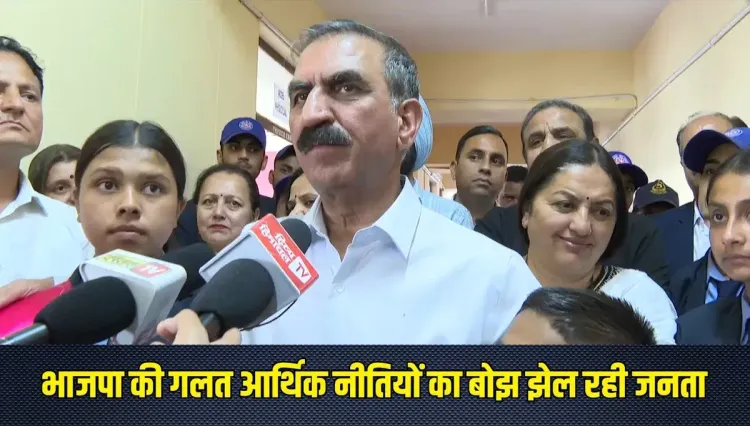
Himachal Pradesh Chief Minister Sukhvinder Singh Sukhu has declared the BJP-led central government's economic policies a 'complete failure' and demanded an immediate cut in central taxes on petrol and diesel, arguing that excessive fuel levies are placing an unsustainable burden on ordinary citizens.
Key Takeaways
CM Sukhvinder Singh Sukhu posted on 25 May 2026 calling the BJP central government's economic policies a 'complete failure.' He demanded an immediate reduction in central taxes on petrol and diesel to ease the burden on common citizens.
Between 2014 and 2021 , the Union government raised excise duty and cess on motor fuels multiple times, boosting central revenues.
In May 2022 , the Centre cut excise duty on petrol by Rs 8 per litre and diesel by Rs 6 per litre , but opposition parties say the overall tax burden remains high.
Himachal Pradesh's hilly terrain makes its residents especially vulnerable to fuel price increases due to dependence on road transport.
The demand is expected to resurface during the monsoon session of Parliament as Congress intensifies its economic critique of the Centre.
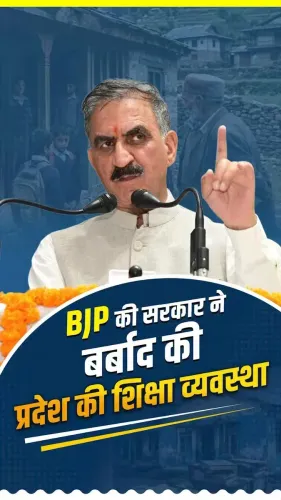
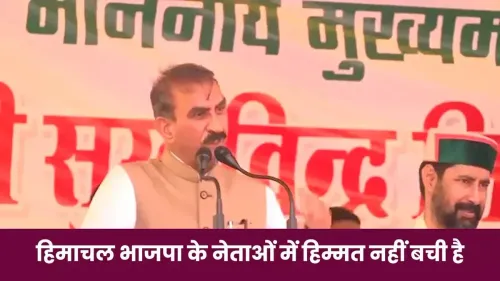
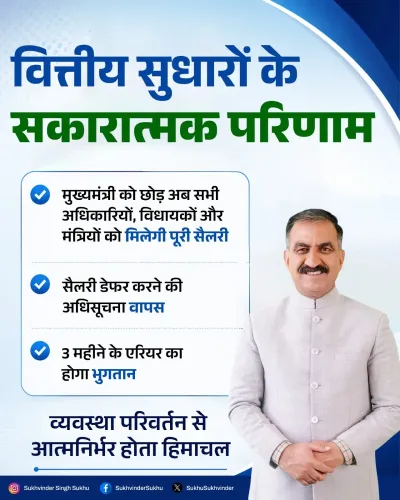
Himachal Pradesh Chief Minister Sukhvinder Singh Sukhu on Monday, 25 May 2026, sharply criticised the BJP-led central government's economic policies, calling them a 'complete failure' and demanding an immediate reduction in central taxes on petrol and diesel to provide relief to ordinary citizens.
Context
In a post on X, CM Sukhu wrote: 'Kendra ki BJP sarkar ki arthik neetiyan poori tarah vifal sabit hui hain' ('The central BJP government's economic policies have proven to be a complete failure'). He called on the Union government to immediately cut the 'excessive taxes' levied on petrol and diesel so that the 'common man gets relief' and the 'growing economic burden on daily life is reduced.'
The statement reflects a sharpening of the Congress party's attack on the Narendra Modi government's fiscal management, particularly around fuel pricing — an issue that directly affects household budgets across India.
Policy Backdrop
Fuel taxation has been a persistent federal flashpoint since 2014, when the BJP came to power at the centre. Between 2014 and 2021, successive Union Budgets raised excise duty and cess components on motor fuels multiple times, significantly boosting central revenues but also pushing up retail prices.
In May 2022, the central government offered partial relief by cutting central excise duty on petrol by Rs 8 per litre and on diesel by Rs 6 per litre, citing elevated global crude oil prices. However, opposition parties and several state governments have argued that the cumulative tax burden on fuel remains high and continues to feed into retail inflation and household expenditure.
Stakeholders and Impact
Himachal Pradesh, a hilly state with limited public transport connectivity, is particularly sensitive to fuel price movements, as residents and businesses in remote areas depend heavily on personal and commercial vehicles. High fuel costs translate directly into elevated freight charges and the cost of essential goods.
State governments, regardless of political affiliation, also have a stake in the debate: lower central taxes can ease inflationary pressure that erodes purchasing power and indirectly affects state-level revenue from consumption taxes. Congress-ruled states have been especially vocal, framing the issue as one of equitable fiscal federalism.
What's Next
The demand is likely to gain traction ahead of the upcoming monsoon session of Parliament, where fuel pricing and central excise policy are expected to feature prominently in opposition debates. Any revision to fuel levies would need to be reflected either in a Union Budget announcement or a standalone executive order from the Petroleum Ministry.
With inflation and cost-of-living concerns remaining central to the political conversation, CM Sukhu's intervention signals that Congress intends to keep fuel taxation at the forefront of its campaign against the Centre's economic record heading into the next electoral cycle.
Point of View
And it reinforces the party's federal grievance narrative against the BJP government. Fuel pricing has historically been one of the most effective opposition pressure points because its impact is immediate and tangible for voters across income groups. By framing the issue as an 'economic failure' rather than a narrow tax dispute, Sukhu is attempting to widen the frame ahead of the monsoon parliamentary session. The statement also keeps Himachal Pradesh's Congress government in the national conversation, signalling that state leaders are willing to take the fight to the Centre on economic policy.
NationPress
22 Sept 2026
Frequently Asked Questions
What did HP CM Sukhu say about petrol and diesel taxes?
CM Sukhu called the BJP-led central government's economic policies a 'complete failure' and demanded an immediate cut in central taxes on petrol and diesel to reduce the financial burden on ordinary citizens.
How much has the Centre cut fuel excise duty in the past?
In May 2022, the central government reduced central excise duty on petrol by Rs 8 per litre and on diesel by Rs 6 per litre, citing high global crude oil prices, though opposition parties argue the overall tax burden remains elevated.
Why does fuel pricing matter more in Himachal Pradesh?
Himachal Pradesh's hilly terrain and limited public transport mean residents and businesses depend heavily on road vehicles, making them more exposed to fuel price increases that also raise the cost of freight and essential goods.
Is the Centre likely to cut fuel taxes after Sukhu's demand?
Any revision to fuel levies would require a Union Budget announcement or a standalone executive order; the monsoon session of Parliament is the next key opportunity for the opposition to press the demand formally.
Why do Congress-ruled states frequently demand fuel tax cuts from the Centre?
Congress-led state governments argue that high central excise duties and cess on fuel contribute to retail inflation and household expenditure, and that reducing them is essential for equitable fiscal federalism and relief to common citizens.